When Do You Stop Burping a Baby? Complete Guide

Edited by: MomSaathi Editorial Team

Reviewed by: Based on women’s reproductive health and anatomical guidelines from WHO & trusted medical sources

One of the first things new parents learn after feeding their baby is how to burp them. You may find that you give your baby a gentle pat on the back every day. But as your baby gets older, you might start to wonder, “When do you stop burping a baby?”

Not every child will get the same answer. Some babies don’t need to be burped as often as others do. To know when to stop, you need to know how your baby is growing and what they are trying to tell you.

👉 You can explore infant care basics from World Health Organization guidelines.

We’ll tell you everything you need to know in this guide, like when to stop burping your baby, how to tell if they’re ready, and how to make feeding easier.

Why Do Babies Need to Burp?

When babies eat, whether they are breastfeeding or bottle-feeding, they swallow air. It can be uncomfortable, make you fussy, and even make you spit up if you have trapped air.

Burping helps get rid of this air and makes your baby feel better.

Why babies need to be burped often:

  • Not yet fully developed digestive system
  • Quickly eating or gulping down milk
  • Crying while eating
  • Bottle feeding (more air intake)

👉 Burping gets rid of gas and helps stop colic-like pain.

👉 Parenting tips on infant digestion can also be found via UNICEF resources.

When Should You Stop Burping a Baby?

Most babies don’t need to be burped as often after they are 4 to 6 months old.

At this point:

  • Their digestive system gets better
  • They take in less air while eating
  • They can move their bodies more easily, which helps them pass gas naturally

But every baby is unique. Some babies may stop burping earlier, while others may still need to be burped from time to time after 6 months.

👉 Pediatric guidance is also supported by organizations like the American Academy of Pediatrics.

Signs That Your Baby Doesn’t Need to Be Burped Anymore

Look for these signs instead of just looking at age:

1. Baby Eats Calmly

Your baby drinks milk without making a fuss or gulping it down.

2. Less Spitting Up

After feeding, you see less spit-up.

3. No Fussiness After Eating

Your baby looks like they are at ease and comfortable.

4. Let’s Out Gas Naturally

Older babies can move, roll, or sit, which helps them get rid of gas on their own.

5. Goes to Sleep Easily After Eating

A comfortable baby often sleeps soundly without needing to be burped.

👉 If your baby shows these signs all the time, you can slowly stop burping.

Babies Who Are Breastfed vs. Bottle-Fed Babies

How you feed your baby can change how often you need to burp them.

Babies Who Are Breastfed

  • Usually takes in less air
  • Might not need to burp as often
  • Often stop needing to be burped sooner

Babies Who Are Bottle-Fed

  • Tend to take in more air
  • Could need to burp more often
  • It might take longer to stop burping

👉 Choosing the right bottle and feeding position can help them take in less air.

How to Stop Burping

You don’t have to stop burping right away. You can slowly cut it down.

A step-by-step approach:

  • Start by not burping once a day
  • Watch how your baby reacts
  • If your baby is comfortable, lower it even more
  • Keep going only if you need to

👉 Instead of following a strict rule, always listen to what your baby is telling you.

What Happens If You Stop Burping Too Soon?

Stopping too soon could lead to:

  • Fussiness
  • Gas pain
  • Crying after eating
  • More spit-up

If you see these signs, stop burping and try again later.

Do You Have to Burp a Baby Who Is Sleeping?

Not all the time.

You don’t have to wake your baby up to burp them if they fall asleep while eating and look comfortable.

But if your baby tends to get gas or reflux, gentle burping might help.

When Should You Keep Burping?

You might need to keep burping if:

  • Your baby has gas
  • Shows signs of being in pain
  • Has problems with reflux
  • Very fast feeding

👉 Some babies still need to be burped now and then after 6 months.

The Best Ways to Burp

Knowing the right way to burp can help, even if you’re trying to stop.

1. The Over-the-Shoulder Method

Keep your baby upright and gently pat their back.

2. Position of Sitting

Put your baby on your lap and hold their chin up.

3. On Your Lap Face-Down

Put your baby on your lap and gently pat them.

👉 Be gentle all the time; there’s no need to be forceful.

Things Parents Often Do Wrong

Don’t make these mistakes:

  • ❌ Making burps happen
  • ❌ Burping for too long (more than 5 minutes)
  • ❌ Not paying attention to the baby’s comfort signals
  • ❌ Putting too much pressure on them

👉 Burping should be soft and natural.

When to See a Doctor

If you have any of the following, see a paediatrician:

  • Your baby is very fussy after eating
  • A lot of vomiting happens
  • Not gaining enough weight
  • Signs of severe reflux

👉 You can also refer to guidance from the National Health Service for infant health concerns.

Tips for Making Feeding More Comfortable

  • Feed while standing up
  • Take breaks while feeding
  • For bottles, use nipples that flow slowly
  • Keep your baby calm while you feed them

Parents’ Emotional Support

It’s normal not to know when to stop burping your baby. There isn’t a strict set of rules for being a parent.

Every baby is different. What works for one person might not work for another. Follow your gut and watch how your baby acts.

You’re doing a great job of taking care of your baby.

FAQ: When Should You Stop Burping a Baby?

When can I stop burping my baby?

Most babies don’t need to be burped anymore after 4 to 6 months, but it depends on how they are growing and how comfortable they are.

Can I stop burping my baby when they are 3 months old?

Some babies may not need to be burped as often at three months, but it’s best to watch how comfortable they are before stopping completely.

What will happen if I don’t burp my baby?

Your baby might feel gassy or uncomfortable, which could make them fussy or spit up.

Do babies who are breastfed need to burp less?

Yes, babies who are breastfed usually swallow less air and may not need to be burped as often.

Do I need to burp my baby after every meal?

Not all the time. You can burp your baby less as they get older, depending on how comfortable they are.

Baby Wake Windows by Age (Newborn to 1 Year Chart + Guide for Moms)

Edited by: MomSaathi Editorial Team

Reviewed by: Based on pediatric sleep guidelines and age-based wake window research

Hi mama, are you stressing, wondering, “How long should my baby stay awake?” You are not alone. Many parents are asking the same question. It is one of the top categories of baby questions in the first year. That is why we took the time to create a guide that includes a baby awake window chart from 0 to 12 months of age. You will learn the answer to “what are wake windows?”, why do wake windows matter, age recommendations for wake windows, and practical tips to help improve awake window time. We are not going to box you into a strict schedule. We are going to give you realistic, gentle guidance. We are going to turn those overtired meltdowns into happy babbles.

What Are Baby Wake Windows?

Baby wake windows are the duration of baby wake time. It starts when the baby wakes up and ends at the next nap or sleep time.

Why do they matter?

Newborns and young babies have very short attention spans and tire quickly. Staying awake for too long can lead to overtiredness and make it difficult for babies to fall and stay asleep. Conversely, putting them down too early can be frustrating. As babies develop, their brains and nervous systems change rapidly. This is why wake windows change as babies grow. To improve your baby’s night sleep and daytime naps, it’s important to learn the appropriate time to put them to sleep based on their age.

For more information on newborn sleep, check our guide on it: Newborn Sleep Schedule (0–3 Months Complete Guide).

Baby Wake Windows by Age Chart (Newborn to 1 Year)

Here’s a chart that is clear and easy to reference, which shows wake windows by age. These are average, and a baby’s wake windows can be less or more. So, use this as a guide, and be sure to look out for your baby’s sleep cues.
Age Wake Window Range Typical Number of Naps Total Daytime Sleep Notes
0-4 weeks 30-60 minutes 5-8 short naps 8-10 hours Very short! Watch for subtle cues like yawning or staring.
4-8 weeks 45-90 minutes 4-6 naps 7-9 hours Day-night confusion starts improving.
2-3 months 60-120 minutes 4-5 naps 6-8 hours Longer awake periods possible.
3-4 months 75-120 minutes 3-4 naps 5-7 hours Naps consolidate
4-6 months 90-150 minutes 3-4 naps 4-6 hours Many babies drop to 3 naps
6-9 months 2-3 hours 2-3 naps 3-4 hours Longer morning and afternoon naps.
9-12 months 2.5-4 hours 2 naps 2-3.5 hours Morning nap may shorten or drop.

Pro Tip: Always prioritize sleepy cues over the clock. If your baby is yawning, rubbing eyes, or getting fussy, it’s time for sleep — even if the wake window isn’t “perfect.”

Why Wake Windows Change So Much in the First Year

In the newborn stage, your baby’s brain is still learning how to regulate sleep. Short wake windows prevent overstimulation and help them fall asleep before becoming overtired.

As your baby grows: Their stomach grows → longer stretches between feeds Circadian rhythm matures → better day-night distinction Nap needs decrease → longer awake periods

Missing the sweet spot often leads to the “second wind” phenomenon — your baby suddenly seems wide awake and hyper after being overtired.

If you are also experiencing frequent night wakings, check out our guide to Newborn Sleep Schedule (0 to 3 Months Complete Guide), which can be used in conjunction with wake windows.

How to Apply Wake Windows in Real Life

Track for Several Days. For a couple of days, document wake time, signs of tiredness, and duration of naps. You’ll see a pattern in your baby’s sleep cycle.

Be Aware of Sleepy Signs. Some early signs of sleepiness include yawning, rubbing of the eyes, staring, and more. A baby is getting tired. Watch for signs of crankiness, crying, and back arching, as these signs mean they are already overtired.

Create a Routine that can be changed. Use wake windows to guide your baby’s feeding, playing, and sleeping. A daily loose rhythm (avoid strict time-to-time schedules) allows your baby to adapt to a routine.

Be Patient and Flexible for Growth Spurts and Achievements. These things can shorten wake windows temporarily: teething, rolling, up-sitting, or being sick.

Combine this with Safe Sleep Behavior. Always follow AAP offer guidelines for sleep: put him to sleep on his back, chopping woods, and for the first 6 months, the baby can share the room.

Typical Mistakes in the Wake Windows that New Mothers Make

Keeping the baby up for too long, expecting a longer sleep later – usually, this backfires, and the baby ends up with shorter and worse naps. The strict nature of the clock will ignore your child’s cues, leading to mistakes. Also, forget that feeding and playing are included in wake windows, not just non-sleep time.

Every baby is different. While some babies are ready for two-hour wake windows by four months, others still require shorter wake windows. It is always best to trust your baby’s cues over a chart.

You’ve Got This, Mama!

Everything is so much easier when you understand baby wake windows. While this does not guarantee you a perfect evening of sleep, you will be able to more accurately respond to your baby’s cues.

Motherhood is this beautiful and chaotic journey where you will be busy and occupied all the time. The first year of the baby’s life will go by so quickly.

You are doing great and taking one step at a time. You may save this chart about wake windows for babies to see the changing patterns of your baby’s growing age, and how it helps you.

Comment below: How old is your baby, and how are wake windows working for you? Have you noticed a big difference after the adjustments to the wake windows? Share your experience — our Momsathi community loves it when moms share their experience!

If nap time is a struggle for a mom friend or her babies are overtired, share this guide with her. Sometimes, seeing a chart pampers the baby’s mother with a feeling of relief.

March 2026 was the last time this article was updated and reviewed by the house pediatric consultant. Every infant has a unique developmental trajectory, and it’s best to reach out to your pediatrician for developmental concerns.

Why Does My Baby Cry in Sleep But Not Wake Up? Safe Tips for Indian-American Moms in 2026

Calm Indian newborn sleeping peacefully in traditional cradle bassinet – baby sleep cries without waking explained

Peaceful Indian newborn baby sleeping in safe crib bassinet – why does my baby cry in sleep but not wake up gentle tips for Indian moms in USA 2026As an Indian mom raising a little one in the USA, those 3 a.m. moments hit differently. You hear your baby let out a sudden cry, whimper, or even a sharp gasp—your heart races, but when you peek into the crib, they’re still fast asleep, eyes closed, breathing steady. No full wake-up, no need for feeding or rocking… yet the sound keeps you wide awake wondering:


Why does my baby cry in sleep but not wake up?

You’re not alone. This is one of the most common nighttime worries for new parents in the US (and yes, it spikes in Google searches every year!). The good news? In most cases, it’s completely normal—and often a sign your baby’s brain and body are doing exactly what they’re supposed to. Let’s break it down gently, with trusted AAP (American Academy of Pediatrics) guidelines mixed with practical Desi wisdom that many Indian-American families swear by.

Common Reasons Why Babies Cry, Grunt, or Gasp in Sleep (Without Fully Waking)

Babies’ sleep is very different from adults’. Newborns and infants spend up to 50% of sleep in active REM (light sleep), with short cycles of 40–60 minutes. During transitions between cycles—or even within them—strange noises happen. For more on understanding newborn sleep patterns, check our Complete Baby Care Guide for Indian Parents (0–12 Months).

Here are the top normal causes:

  1. Sleep Cycle Transitions (The #1 Reason) Your baby drifts from deep sleep to lighter REM sleep. Their developing nervous system isn’t fully smooth yet, so they may fuss, whimper, cry out briefly, or grunt without ever opening their eyes. Many babies self-soothe and slide back into deeper sleep within seconds or minutes. This is super common in the first 6–12 months and peaks during growth spurts or developmental leaps (like the famous 4-month sleep regression). For more on sleep regressions, check our guide: Newborn Sleep Regression Tips.
  2. Digestive Sounds & Gas (Grunting Baby Alert!) Why does my baby grunt in sleep? Newborn tummies are immature. They process milk, pass gas, or have tiny bowel movements even while sleeping. Grunting helps them push air out or coordinate breathing with digestion. You might hear low throaty grunts, sighs, or even a “pig-like” sound—totally normal unless it’s constant and labored. Cleveland Clinic explains baby grunting in sleep as a common, harmless noise from small nasal passages and active sleep.
  3. Breathing Adjustments & Noisy Respiration Why does my baby gasp for air while sleeping or breathe fast? Small nasal passages, learning to breathe through the nose, or brief pauses (5–10 seconds) in newborns can cause gasping, snorting, or fast breathing. In light sleep, they might moan or cry out as airways adjust. AAP notes irregular breathing is normal in young infants.
  4. Moro Reflex or Startle

    That sudden arm-flail cry? The Moro reflex (startle) can trigger a brief cry even in sleep, especially if not swaddled. It fades by 4–6 months. For more on early reflexes and soothing techniques, see our First 30 Days with a Newborn: Realistic Survival Guide.

  5. Teething, Overtiredness, or Mild Discomfort Emerging teeth, being overtired from a busy day, or minor stuffiness can cause fussing without full waking. During leaps (e.g., rolling, babbling milestones), the brain processes so much that nighttime cries increase. Explore our Gentle Parenting Tips for Developmental Leaps.
  6. When It’s Not Normal (Red Flags to Watch) Most sleep cries are harmless, but call your pediatrician or seek help if:
    • Grunting after every breath or constant labored breathing
    • Pauses longer than 10 seconds + color change (blue lips)
    • Fever, excessive crying when awake, or poor feeding
    • Noisy breathing persists past 3–4 months without improvement

Always trust your mama instinct—better safe than sorry! If concerned, refer to CDC’s guidance on sudden infant death and safe sleep.

Newborn baby sleeping soundly in crib with gentle white noise – common reasons for crying in sleep without waking

AAP Safe Sleep Guidelines 2026: What Every NRI Mom Needs to Know

The American Academy of Pediatrics’ latest safe sleep recommendations (updated 2022, still current in 2026) focus on reducing SIDS and sleep-related risks. Follow these for peace of mind:

  • Back to Sleep Always: Place baby on their back for every nap and night (even if they roll later).
  • Firm, Flat Surface: Use a crib, bassinet, or play yard with a firm mattress and fitted sheet—no pillows, blankets, bumpers, or toys.
  • Room-Sharing, Not Bed-Sharing: Share the room (not bed) for at least 6 months, ideally 1 year.
  • No Soft Items: Keep loose blankets, stuffed animals, or inclined sleepers out.
  • Avoid Couch/Armchair Sleeping: Never let baby sleep on sofas or in car seats outside travel.

Many Indian families traditionally co-sleep or use gentle swaddling—AAP allows safe swaddling (arms in or out based on rolling ability) but stresses no overheating or loose fabric. Adapt with lightweight muslin wraps and monitor temperature. See the full AAP policy here: Sleep-Related Infant Deaths: Updated 2022 Recommendations.

Indian mom giving gentle oil massage to sleeping newborn – Desi remedies for better baby sleep in USA

Gentle Desi Remedies & Tips to Help Your Baby Sleep Better

Blend US science with Indian home wisdom for calmer nights:

  • Burp Thoroughly After Feeds: Reduces gas-related grunts. Hold upright 10–15 minutes post-feed.
  • Warm Oil Massage Before Bed: A light til (sesame) or coconut oil massage with gentle tummy circles can ease digestion and promote relaxation—many Desi moms find it magical for fussy sleepers. Try our Newborn Massage Guide.
  • Warm Bath Routine: Evening bath + feed + lullaby mimics traditional Indian routines and signals sleep time.
  • White Noise or Soft Lullabies: Use a fan or gentle rain sounds to mask household noise—great for apartment living in the US.
  • Consistent Schedule: Aim for age-appropriate wake windows to avoid overtired cries.
  • Bilingual Lullabies: Sing Hindi rhymes or “Soja beta” along with English ones—comforts cultural roots while soothing.

If cries persist, track patterns (time, after feed?) and discuss with your pediatrician—they can rule out reflux or allergies.

FAQs: Quick Answers for Tired Moms

Why does my baby hit head on crib or pinch while sleeping?

Often self-soothing behaviors or Moro reflex remnants—normal up to 9–12 months.

Is baby sleep sounds like pig normal?

Yes! Grunting/snorting from breathing + digestion is common and fades with age.

When do babies stop crying in sleep?

Most reduce significantly after 6–12 months as sleep matures and cycles lengthen. More on transitioning to toddler sleep in our Toddler Sleep Routine Guide.

Should I wake my baby if they cry in sleep?

Usually no—let them self-settle if brief. Comfort gently if it escalates.

Breastfed vs formula: Does it affect sleep cries?

Both can have gas cries, but burping helps equally.

As an Indian mom navigating US parenting, these phases feel intense—but they pass. Your baby is growing, learning, and trusting you every night. Hang in there, mama—you’re doing an amazing job.

Have you experienced this with your little one? Share in the comments below—we’re all in this together! Subscribe to Momsaathi for more gentle, NRI-friendly parenting tips, baby name ideas, and postpartum care.

Jaundice in Newborns – Home Remedies vs When to Rush to Hospital (Indian Moms Guide 2026)

Newborn jaundice spikes every summer and monsoon in India due to heat, dehydration risks, and infections. Many moms notice yellow skin/eyes in their baby and wonder: Can I manage with home remedies, or is it time for hospital?

Most cases are physiological (harmless) and resolve in 1–2 weeks, but high bilirubin can lead to serious issues like kernicterus if ignored. This guide explains symptoms, safe home care (focusing on breastfeeding), common myths (like direct sunlight), phototherapy truth, bilirubin levels chart, and clear signs to rush to hospital.

What Is Newborn Jaundice & Common Symptoms in Indian Babies

Jaundice happens when excess bilirubin (yellow pigment from red blood cell breakdown) builds up because the newborn liver is immature. It affects 60% of term and 80% of preterm babies in India.

Key Symptoms:

  • Yellow skin (starts on face, spreads to chest, belly, legs)
  • Yellow whites of eyes
  • Drowsiness or poor feeding
  • Dark urine (should be pale) or pale stools
  • In severe cases: lethargy, high-pitched cry, arching back (emergency!)

Physiological jaundice peaks at 3–5 days and fades by 2 weeks. Pathological (serious) starts early (<24 hours) or lasts longer.

(Alt text suggestion for image: “newborn jaundice symptoms yellow skin eyes Indian baby”)

Safe Home Care & Remedies for Mild Newborn Jaundice in India

For physiological jaundice (most cases), focus on supporting the baby’s natural elimination of bilirubin:

  1. Frequent Breastfeeding – The #1 “remedy” per IAP and pediatricians. Feed every 2–3 hours (8–12 times/day). Breast milk helps flush bilirubin via stools. Avoid stopping breastfeeding – it worsens jaundice.
  2. Ensure Good Hydration & Feeding – Watch for wet diapers (6+ daily) and stools. Poor intake causes “breastfeeding jaundice” from dehydration.
  3. Gentle Sun Exposure Myth Bust – Direct sunlight is NOT recommended! UV rays risk burns/dehydration; it’s a myth in India. Filtered/indirect morning light (near window, not direct) may help mildly but is NOT a substitute for treatment. AAP/IAP say no to sunbathing.
  4. Monitor & Comfort – Keep baby cool in summer/monsoon; avoid overheating.

Important: No turmeric, papaya leaves, or herbal mixes for newborns – they can be harmful. Always consult pediatrician before any remedy.

(Alt text suggestion: “frequent breastfeeding newborn jaundice home care India”)

Bilirubin Levels Chart: When It’s Normal vs Dangerous (India Guidelines)

Use age-specific total serum bilirubin (TSB) levels (from IAP/AAP-aligned Indian protocols for term babies ≥35 weeks):

Age (hours/days) Normal/Physiological Range (mg/dL) Phototherapy Threshold (approx.) High Risk/Exchange Transfusion
24 hours <8–10 >12–15 >19–20
48 hours <12–15 >15–18 >22
72 hours Peak <15–18 >18–20 >24
>1 week Declining <12–15 >20+ or persistent >25
  • Low risk: Term baby, no hemolysis.
  • Medium/High risk: Preterm, dehydration, hemolysis, G6PD (common in India).

Get TSB test if yellowing spreads fast or baby seems unwell. Home TcB devices help monitor but confirm with blood test.

(Alt text suggestion: “newborn jaundice bilirubin levels chart India 2026 guidelines”)

Phototherapy Truth: The Main Hospital Treatment

Phototherapy (blue light) breaks down bilirubin safely in skin – gold standard in India.

  • Baby placed under special lights (eyes masked, diaper only).
  • Intensive for high levels; home phototherapy possible in mild cases.
  • Duration: 1–2 days usually; monitor rebound. No proven risks like bronze baby in most cases.

Avoid myths – phototherapy is evidence-based, not “harsh”.

When to Rush to Hospital Immediately (Red Flags for Indian Moms)

Rush to pediatrician/NICU if:

  • Jaundice appears in first 24 hours
  • Yellowing spreads to arms/legs/palms/soles
  • Bilirubin rising fast (>5 mg/dL/day) or >15–18 mg/dL (check test)
  • Baby lethargic, refuses feeds, high-pitched cry, arching
  • Fever, poor weight gain, dark urine/pale stools
  • Family history of G6PD, Rh incompatibility

In summer/monsoon, dehydration worsens it – hospital for IV fluids/phototherapy if needed. Early checks prevent complications.

Final Thoughts for Indian Moms

Newborn jaundice is common and often harmless with good feeding and monitoring. Frequent breastfeeding is your best “home remedy” – myths like direct sunlight can harm more than help. Watch bilirubin levels and rush for tests/treatment if red flags appear. Most babies recover fully with timely care.

Momsaathi.com provides content for informational and educational purposes only. It is not intended to serve as a substitute for professional medical advice, diagnosis, or treatment. If your newborn shows jaundice signs (yellow skin/eyes, poor feeding, lethargy), consult a pediatrician immediately for bilirubin test and guidance.

Frequently Asked Questions (FAQs)

Is sunlight safe for newborn jaundice in India?

No – direct sunlight risks burns/dehydration; it’s a myth. Filtered window light may help mildly, but phototherapy is the proven treatment.

Only frequent breastfeeding/hydration. Avoid herbs/turmeric – consult doctor first.

If bilirubin >15–20 mg/dL (age-dependent), appears early, or baby unwell – phototherapy often needed.

Not usually – “breastfeeding jaundice” from poor intake; feed more often to help.

20–25 mg/dL risks kernicterus; monitor closely with tests.

No – direct sunlight risks burns/dehydration; it’s a myth. Filtered window light may help mildly, but phototherapy is the proven treatment.

Only frequent breastfeeding/hydration. Avoid herbs/turmeric – consult doctor first.

If bilirubin >15–20 mg/dL (age-dependent), appears early, or baby unwell – phototherapy often needed.

Not usually – “breastfeeding jaundice” from poor intake; feed more often to help.

20–25 mg/dL risks kernicterus; monitor closely with tests.

Related Articles on Momsaathi.com:

External Resources:

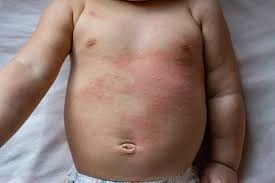
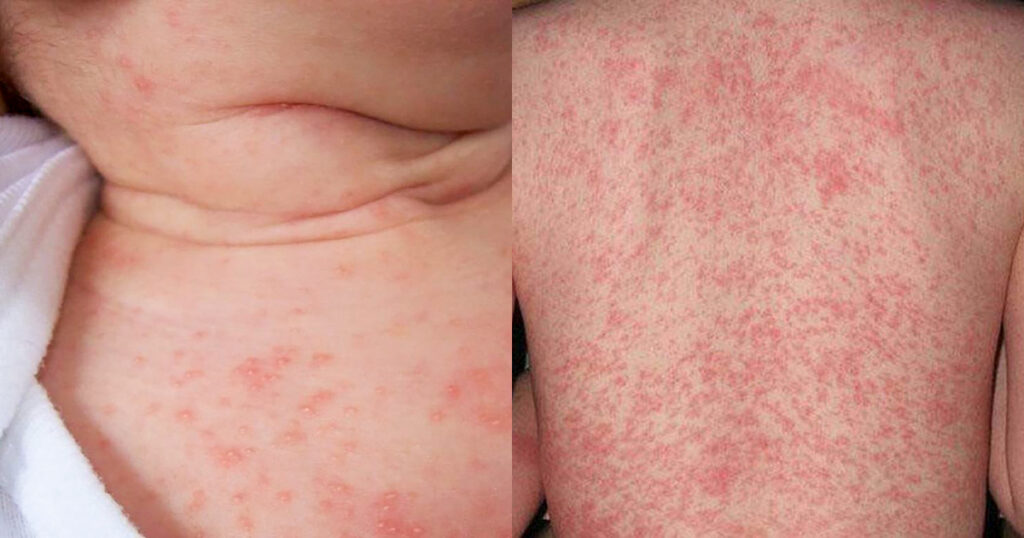
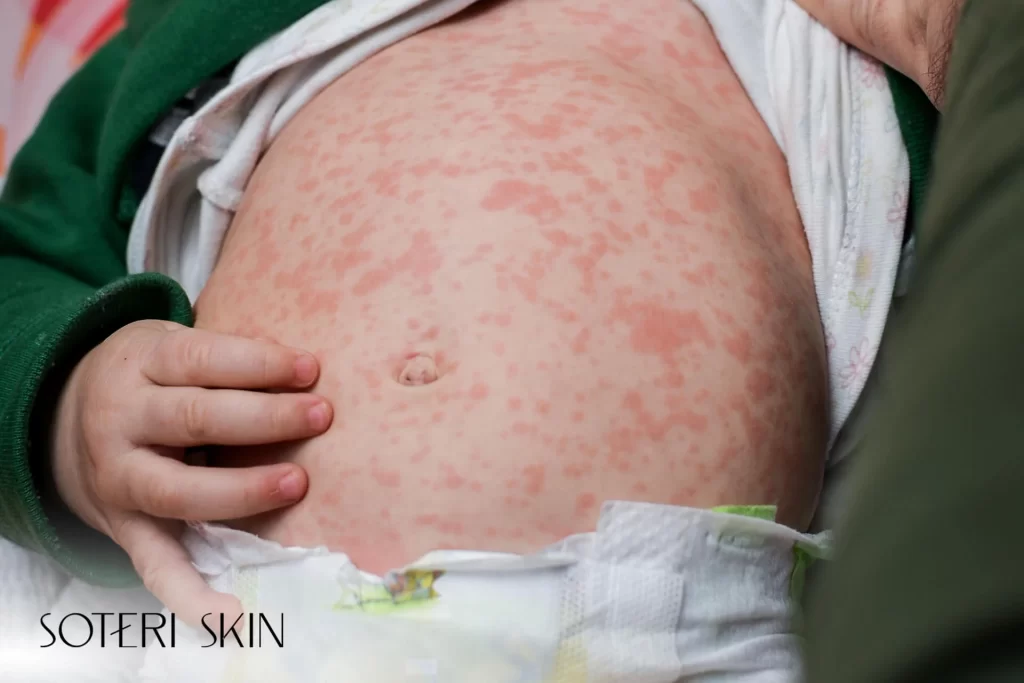
Newborn Heat Rash vs Allergy Rash: How to Tell the Difference & Treat at Home This Summer 2026 (India Guide)

With the March–April heat wave kicking in across India (yes, Karnataka is already feeling it!), newborn rashes are popping up everywhere in mom groups. Is that red bumpy skin heat rash (prickly heat) from the humidity, or an allergic reaction (like hives or eczema flare-up)? Don’t worry—most are harmless and treatable at home, but knowing the difference can save you stress and keep your little one comfy.

In this guide, we’ll break it down: symptoms, how to spot the difference, pediatrician-approved home remedies (including coconut oil vs calamine lotion), when to worry, and prevention tips for scorching Indian summers.

What is Heat Rash (Prickly Heat or Miliaria) in Newborns?

Heat rash happens when your baby’s tiny sweat glands get blocked in hot, humid weather. Sweat gets trapped under the skin, causing irritation. Newborns are extra prone because their sweat glands aren’t fully developed yet.

Common signs of heat rash:

  • Tiny red bumps or clear blisters (like small pimples or beads of sweat)
  • Clusters in sweaty areas: neck folds, chest, back, armpits, groin, or diaper area
  • Prickly, itchy, or burning feeling (baby may seem fussy or restless)
  • Worsens with heat/sweat and improves when cooled down

It usually clears in a few days with simple cooling—no fever or other illness involved.

What is an Allergy Rash in Newborns? (Hives, Eczema, etc.)

Allergic rashes come from triggers like new foods (milk/dairy), soaps, detergents, fabrics, pollen, or even laundry products. Common types include:

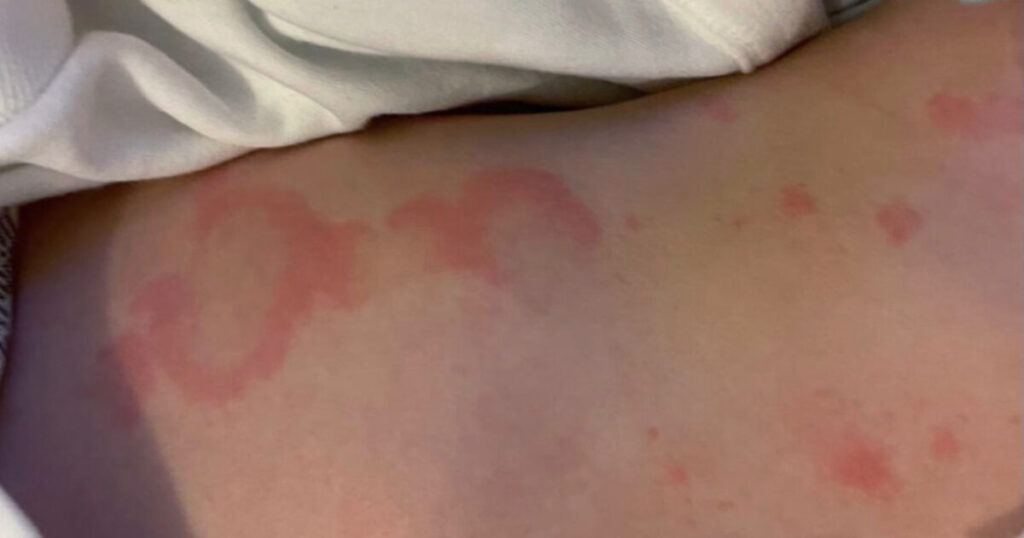
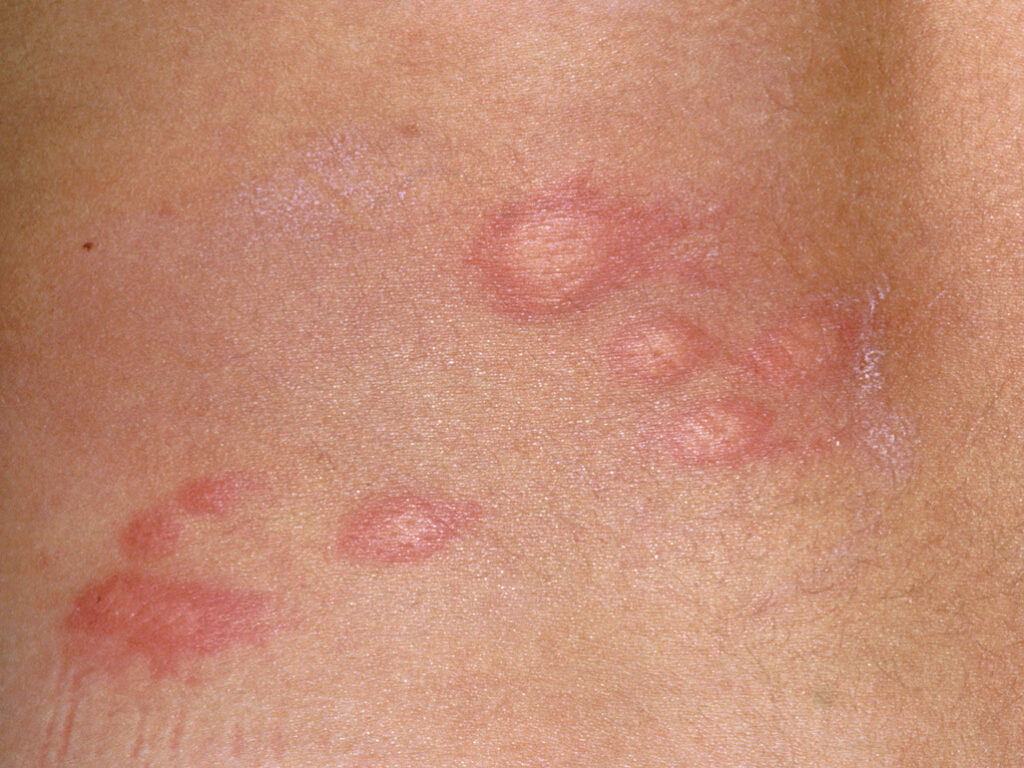
  • Hives (urticaria): Sudden raised, red welts that come and go quickly (often in 24 hours)
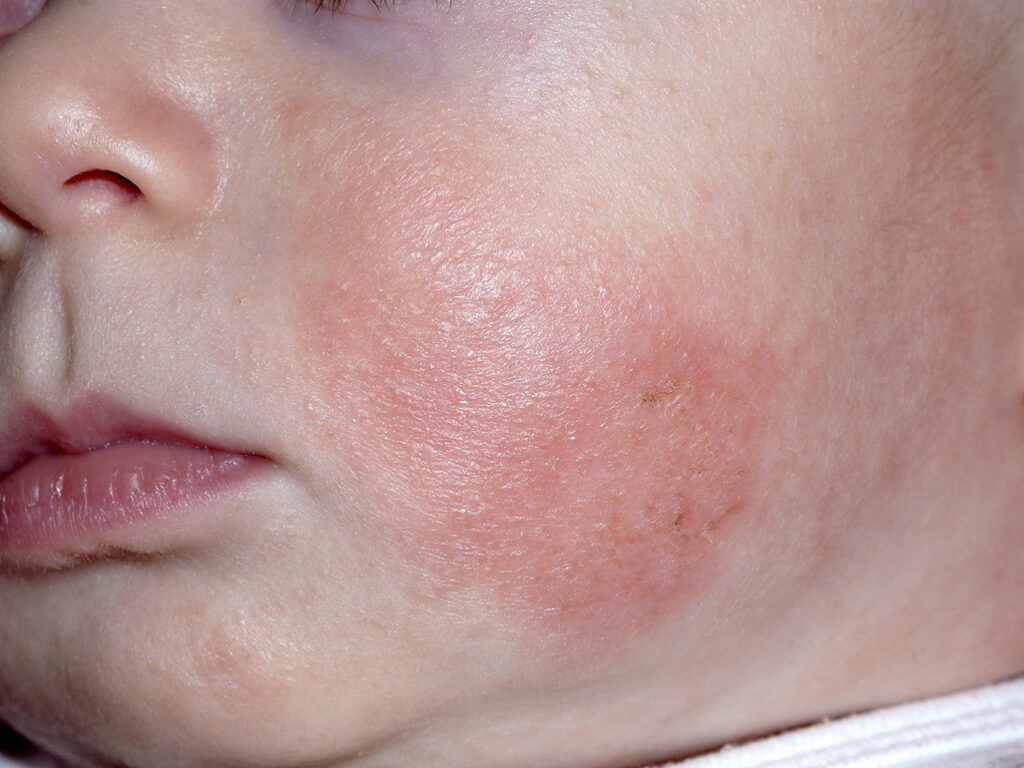
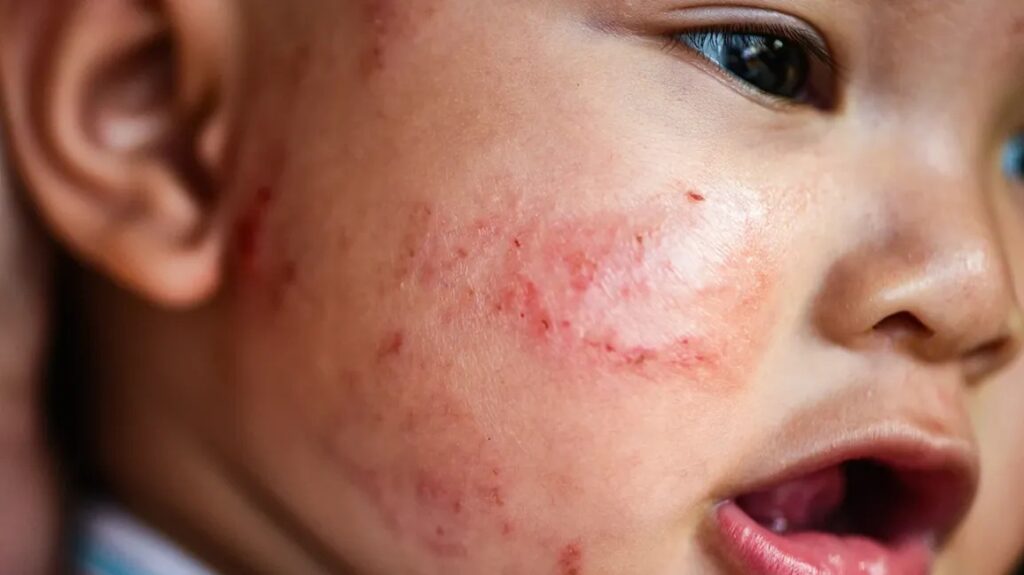
  • Eczema (atopic dermatitis): Dry, red, scaly patches that are very itchy and can crack

Common signs of allergy rash:

  • Raised welts/hives or dry, flaky patches
  • Intense itching (more severe than prickly heat)
  • Appears anywhere, often on face/cheeks, arms, or body
  • Sudden onset, may recur with the same trigger
  • Possible other signs: swelling, vomiting, or fussiness (severe cases need urgent care)

Unlike heat rash, it isn’t tied to temperature and doesn’t improve just by cooling.

Quick Comparison: Heat Rash vs Allergy Rash

Feature Heat Rash (Prickly Heat) Allergy Rash (Hives/Eczema)
Appearance Tiny pinpoint red bumps/blisters in clusters Raised welts (hives) or dry/scaly patches
Location Sweat-prone folds (neck, chest, back) Anywhere, often face/body
Itch Level Prickly/tingly Intense, burning itch
Trigger Heat, humidity, overdressing Allergens (food, soap, detergent)
Duration Clears in days with cooling May persist/recurr until trigger removed
Other Signs No fever Possible swelling, GI issues (severe)

Safe Home Treatments – Pediatrician-Approved for Indian Summers

For Heat Rash (Most Common in Summer):

  1. Cool the baby immediately – Move to a fan/AC room, give a lukewarm (not cold) bath without soap, pat dry gently.
  2. Dress lightly – Loose, breathable cotton clothes (avoid synthetics). Skip layers; let skin breathe (safe diaper-free time indoors).
  3. Soothe the skin:
    • Calamine lotion – Classic choice, cools and reduces itch (apply thinly).
    • Pure coconut oil – Natural Indian home remedy; moisturizes and calms mild cases (many moms prefer it over lotions for newborns).
    • Cool compress (clean cloth with cool water) for 10–15 mins.
  4. Keep hydrated – More breastfeeds or formula.

For Suspected Allergy Rash:

  • Identify/avoid trigger (switch to fragrance-free detergent, mild soap).
  • Gentle moisturizer (petroleum jelly or hypoallergenic cream).
  • Cool compress for hives.
  • If eczema suspected, use doctor-recommended barrier cream.

General tips: No scratching (trim nails), keep room cool (fan essential in Karnataka heat), change sweaty/damp clothes fast.

When to Worry & See a Pediatrician Right Away

Most rashes resolve at home, but rush to the doctor if:

  • Rash spreads rapidly, has pus/oozing blisters (possible infection)
  • Fever, swelling (face/lips/eyes), breathing trouble, vomiting (severe allergy/anaphylaxis emergency!)
  • Rash lasts >1 week, worsens, or baby is inconsolable/poor feeding
  • Signs of dehydration or extreme discomfort

In India, summer heat can turn minor issues worse—better safe with a quick pediatric visit.

Prevention Tips for Newborns During Indian Heat Waves

  • Dress in light cotton only (white/light colors best)
  • Avoid overdressing or tight swaddling
  • Use fan/AC; keep room 24–28°C
  • Daily cool baths, change diapers/clothes promptly
  • Mild, fragrance-free products
  • Shade outdoors; no direct sun for long

Final Thoughts

Summer 2026 is here, and heat rash is super common—but now you can spot it vs an allergy rash and treat safely at home. Coconut oil and calamine are mom-favorites in India, but always patch-test. Trust your instincts—if something feels off, chat with your pediatrician.

Have you dealt with newborn rashes this season? Share in the comments below—I read every one! Share this post with other moms in your WhatsApp groups.

Disclaimer: This is general info based on pediatric guidelines—not a substitute for medical advice. Consult a doctor for your baby’s specific condition.

Frequently Asked Questions (FAQs)

Is heat rash dangerous for newborns in India?


No, heat rash (prickly heat) is usually harmless and clears in a few days with cooling. It’s very common during Karnataka’s heat waves, but watch for infection signs like pus.

Heat rash shows tiny bumps in sweaty folds and improves with cooling. Allergy rash (hives/eczema) is more intense, sudden, and may involve face/swelling—often from food/soap triggers.

Yes, pure coconut oil is a safe, natural remedy many Indian moms use for mild cases—it moisturizes and soothes. Patch-test first and apply thinly.

Immediately if there’s fever, swelling, breathing issues, pus, or if the rash lasts over a week/worsens. Better to consult early in summer.

Yes—common trigger in hot Indian weather. Stick to light cotton layers and change sweaty clothes quickly.

No, heat rash (prickly heat) is usually harmless and clears in a few days with cooling. It’s very common during Karnataka’s heat waves, but watch for infection signs like pus.

Heat rash shows tiny bumps in sweaty folds and improves with cooling. Allergy rash (hives/eczema) is more intense, sudden, and may involve face/swelling—often from food/soap triggers.

Yes, pure coconut oil is a safe, natural remedy many Indian moms use for mild cases—it moisturizes and soothes. Patch-test first and apply thinly.

Immediately if there’s fever, swelling, breathing issues, pus, or if the rash lasts over a week/worsens. Better to consult early in summer.

Yes—common trigger in hot Indian weather. Stick to light cotton layers and change sweaty clothes quickly.

Related Articles on Momsaathi.com:

External Resources:

Fever in Kids – Safe Home Remedies & When to See a Doctor (India Guide 2026)

Fever in Kids – Safe Home Remedies & When to See a Doctor (India Guide 2026)

Momsaathi.com provides content for informational and educational purposes only. It is not intended to serve as a substitute for professional medical advice, diagnosis, or treatment. Always consult a pediatrician immediately if your child has high fever (>102°F/39°C), fever lasting >3 days, difficulty breathing, rash, lethargy, or any worrying symptoms.

Fever is one of the most common reasons Indian parents rush to the doctor — and most of the time, it’s the body’s normal way of fighting infection. In 2026, with rising viral fevers (flu, dengue, hand-foot-mouth), moms want safe, gentle ways to manage fever at home before panicking.

These fever in kids home remedies are widely used by Indian moms and considered safe by most pediatricians when used correctly.

Common Causes of Fever in Kids (India Context)

  • Viral infections (cold, flu, roseola, dengue)
  • Teething (mild fever <100.4°F)
  • Ear/throat infections
  • Post-vaccination fever (normal 24–48 hrs)
  • Urinary tract infection (more common in girls)

Safe Home Remedies for Fever in Kids (Indian Moms’ Favorites)

  1. Keep Hydration High Give frequent sips of water, coconut water, oral rehydration solution (ORS), or jeera water. Dehydration makes fever feel worse.
  2. Tulsi + Ginger Kadha Boil 5–7 tulsi leaves + 2–3 thin ginger slices in 1 glass water → cool & strain → add honey (after 1 year). Give 2–3 tsp 2–3 times/day. Why it helps: Anti-inflammatory & soothing for throat.
  3. Sponge Bath (Not Cold Water) Use lukewarm water (never ice-cold) + soft cloth to wipe forehead, neck, armpits, groin. Repeat every 30–60 min if fever >100.4°F. Tip: Many Karnataka moms add 2–3 neem leaves to the water.
  4. Warm Ajwain Potli Roast ajwain seeds → tie in soft cloth → gently press on chest/back/stomach. Helps with gas & mild fever discomfort.
  5. Light Clothing & Cool Environment Dress in light cotton, keep room cool (fan/AC), avoid bundling too much.
  6. Paracetamol (Crocin/Calpol) – When Needed Only if fever >100.4°F (38°C) and child is uncomfortable. Dose: 10–15 mg/kg every 4–6 hours (doctor’s advice first). Never give aspirin — risk of Reye’s syndrome.

When to See a Doctor Immediately

Rush to pediatrician/hospital if:

  • Fever >102°F (39°C) in baby <3 months
  • Fever lasts >3 days (or >24 hrs in young infants)
  • Child is lethargic, not drinking, dry diapers, or breathing fast
  • Rash, neck stiffness, severe headache, vomiting
  • Fever with shivering/chills (possible dengue/malaria in monsoon)

Indian tip: Keep paracetamol syrup at home (check expiry), but always call doctor before first dose in infants.

Related Articles on Momsaathi.com:

External Resources:

Toddler Safety

Keeping Your Toddler Safe: Essential Tips for Curious Explorers

Toddlers see the world as one big adventure—every corner hides something new and exciting to discover. Their boundless energy and endless questions are signs they’re learning and growing fast. But with all that exploration comes the need for smart safety measures. As parents and caregivers, our goal is to let them roam freely while keeping risks at bay, creating a secure space where they can thrive.

Why Your Toddler Only Wants Mom And What to Do About It - Today's Parent

A Safe Home for Little Adventurers

The toddler years are all about movement and discovery, which means your home needs to be a safe haven. Simple steps like securing cabinets, covering outlets, anchoring furniture, and using safety gates can prevent common accidents. Always keep small objects, cleaning supplies, and medications out of reach. Supervision is key—stay close as they climb, open drawers, or investigate new spots.

Tips on how to Childproof your Kitchen | South Africa
Tips on how to Childproof your Kitchen

Fun and Safe Outdoor Play

Playgrounds and backyards are perfect for burning energy, but active toddlers can easily tumble or wander. Choose age-appropriate equipment, check for soft landing surfaces, and always supervise closely. Teach basic rules like holding hands near streets and wearing helmets on rides. Outdoor time builds confidence and coordination—just pair it with watchful eyes.

Child Supervision Skills For Adults in Early Childhood Education Services

Balancing Screen Time in a Digital World

Screens are everywhere, but too much TV or tablet time can affect sleep, focus, and development in young children. Experts recommend limiting screens for toddlers and choosing high-quality, interactive content when you do use them. Prioritize hands-on play, reading, and real-world interactions instead—they’re far better for growing minds.

I made my screen-addicted kids go cold turkey—here's what happened - Today's Parent
I made my screen-addicted kids go cold turkey—here’s what happened – Today’s Parent

Nutrition, Hydration, and Common Concerns

Good habits around food and drink support your toddler’s energy and growth. If appetite dips (which is common during growth spurts or teething), offer a variety of nutritious options without pressure. Stay on top of hydration—toddlers need plenty of water throughout the day, especially when active. Watch for minor issues like toddler acne or changes in eating, and chat with your pediatrician if something seems off.

How to Get Kids to Eat Healthy Food & Other Meal Tricks

Every toddler is unique, so tailor safety steps to your child’s personality and your home setup. Stay informed, trust your instincts, and enjoy this lively stage. With a little preparation and lots of love, you can give your little explorer the freedom to discover the world safely.

Baby’s Health

Caring for Your Baby’s Health: A Parent’s Essential Guide from Newborn Days to Toddlerhood

Nothing matters more to you than your baby’s health and happiness. From those first precious moments after birth through the early toddler years, every parent wants to feel confident and prepared. This comprehensive guide offers practical, trustworthy advice to support you every step of the way.

8 Signs of a Healthy Baby
The First Days: Starting Strong at Birth

Your baby’s health journey begins right in the delivery room. Most newborns receive a vitamin K shot shortly after birth to support healthy blood clotting, along with initial screenings.

Regular well-baby checkups in the first weeks and months are essential. Your pediatrician will monitor growth, check important reflexes that reveal how your baby’s nervous system is developing, and spot any early issues—like newborn jaundice—before they grow.

Pediatrician: Building Relationship | Newport Children
Pediatrician: Building Relationship

Everyday Questions and Common Concerns

As a new parent, you’ll have countless questions—and that’s perfectly normal! Many center on feeding (whether breastfeeding or formula) and handling daily challenges like burping your baby or soothing colic—those intense crying spells that often peak around 6 weeks.

You’ll also learn gentle techniques to navigate those early, sleep-deprived days with confidence.

20 Breastfeeding Tips Every New Parent Should Know

Hitting Those Exciting Milestones

Around six months, the fun really ramps up: first social smiles, babbling, sitting up, and starting solid foods. Stay tuned to your baby’s hunger and fullness cues for steady growth, and introduce new textures safely as they learn to chew and swallow.

Simple choices, like using gentle detergents for baby clothes or knowing when to call the doctor for a fever, become part of your routine.

Learn more baby care tips for feeding, sleep, and health.

Baby's First Steps: Walking and Other Milestones | Lovevery
Baby’s First Steps: Walking and Other Milestones

Building a Healthy Foundation

Strong habits now—regular checkups, responsive feeding, safe sleep, and lots of cuddles—help your baby thrive physically and emotionally well into toddlerhood and beyond.

Parenting a newborn is a whirlwind of joy, exhaustion, and love. You’re doing an amazing job, and with the right support and information, you’ll feel empowered every step of the way. If you know a new parent who could use this guide, share it with them—they’ll thank you for the helping hand!