Mastering the Manual Breast Pump: Tips & Step-by-Step Guide

Edited by: MomSaathi Editorial Team

Reviewed by: Certified Lactation Consultants (IBCLC) and Maternal Health Specialists

You’re sitting on the edge of your bed, it’s 3:00 AM, and your little one is finally—finally—asleep. You’re feeling that familiar, heavy fullness in your chest, and you’ve got this small, plastic contraption in your hand that looks more like a high school science project than a life-saving tool.

If you’re staring at your manual breast pump wondering, “How on earth is this supposed to help me?” believe me, I have been there.

When I first brought my pump home, I thought it would be as simple as ‘press and go.’ Instead, I spent twenty minutes getting zero drops of milk and a very sore thumb. But here’s the secret: once you get the rhythm down, a manual pump can be your absolute best friend.

Whether you’re looking to build a small freezer stash, relieve engorgement, or just need a backup for when you’re on the move, mastering the manual breast pump is a skill that will save your sanity. Let’s dive into how to go from “zero milk” to “pro pumper.”

What Exactly is a Manual Breast Pump?

In a world of high-tech gadgets, the manual breast pump is refreshingly simple. It is a hand-operated device that uses a lever or a handle to create suction. Unlike electric pumps that require a wall outlet or batteries, this is powered entirely by you—specifically, your hand muscles.

Most manual pumps consist of a few basic parts:

  • The Flange (Shield): The funnel-shaped part that goes over your nipple.

  • The Handle: What you squeeze to create the vacuum.

  • The Valve and Diaphragm: The “engine” that creates the suction.

  • The Bottle: Where the liquid gold collects.

Moms often choose a manual pump because it’s incredibly portable, affordable, and—most importantly—silent. You can pump right next to a sleeping baby without that “hiss-whoosh” sound of an electric motor waking them up.
My First Experience: The “No Milk” Meltdown

I remember the first time I tried a manual breast pump for beginners. I had read the manual, watched a YouTube video, and felt ready. I sat down, squeezed the handle with all my might, and nothing. Not a single drop.

I felt like a failure. I assumed my milk had dried up or that the pump was broken. My hand started cramping after five minutes, and I was ready to throw the whole thing in the trash.

What I didn’t realize then was that pumping is 10% mechanics and 90% biology. I was stressed, cold, and my body wasn’t “letting down” the milk. If you are struggling right now, know that hand fatigue and initial confusion are part of the process. It gets easier, I promise.

How to Use a Manual Breast Pump (Step-by-Step)

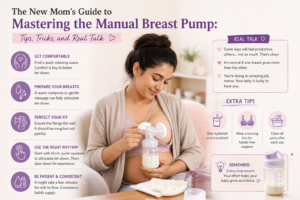
If you want to see results, you have to follow the rhythm of how a baby actually nurses. Here is the foolproof method:

1. Clean and Assemble

Always start with clean hands. Make sure all the tiny white valves are pushed in tight. If there’s even a tiny air leak, you won’t get any suction.

2. Position the Flange

Center your nipple in the middle of the flange. It shouldn’t be rubbing against the sides. If it feels like it’s being pinched, you might need a different flange size.

3. Trigger the “Letdown”

This is the most common mistake. Don’t start with long, slow squeezes. Instead, mimic a hungry baby. Use short, fast, shallow pumps (about 2 per second). This tells your brain, “Hey, the baby is hungry! Release the milk!”

4. Transition to Rhythmic Pumping

Once you see milk starting to drip or spray (the letdown), switch to long, steady squeezes. Press the handle, hold for a second, and release. This pulls the milk out efficiently once the flow has started.

5 Pro-Tips for Manual Breast Pump Success

If you want to increase your output and decrease your frustration, try these manual breast pump tips used by seasoned moms:

  • Apply Warmth: Use a warm compress or a heated gel pack on your breast for 5 minutes before you start. Warmth expands the milk ducts and helps the milk flow much faster.

  • The “Milk Massage”: Gently massage your breast in a circular motion toward the nipple before and during pumping. This helps break up any “stuck” milk.

  • Relaxation is Key: Your milk won’t flow if you’re stressed. Look at photos or videos of your baby, listen to soothing music, or even eat a snack.

  • Don’t Watch the Bottle: Staring at the drips can cause “performance anxiety.” Cover the bottle with a baby sock and just focus on the feeling.

  • Consistency over Quantity: It’s better to pump for 10 minutes consistently every day than for an hour once a week.

Common Mistakes New Moms Make

  • Using the Wrong Flange Size: If your nipple is rubbing the sides or too much of your areola is being pulled in, it will be painful and ineffective.

  • Pumping Too Hard: More suction does not mean more milk. It only means more pain. If it hurts, you are squeezing too hard or the vacuum is too high.

  • Expecting Instant Results: Your body needs to learn how to respond to plastic and silicone instead of a warm baby. Give it 3–5 days of practice before you judge the results.

Manual vs. Electric Breast Pump: Which is Better?

Every mom’s journey is different. Here is the “Real Talk” breakdown:

Feature Manual Breast Pump Electric Breast Pump
Portability Fits in a handbag; no cords. Bulkier; needs power/batteries.
Cost Very budget-friendly. Can be quite expensive.
Effort Requires manual hand power. Hands-free or minimal effort.
Speed Takes longer to empty the breast. Much faster; can double-pump.
Noise Completely silent. Buzzing or humming motor sound.

The Verdict: If you are exclusively pumping, get an electric. If you are a stay-at-home mom who just needs to go out for a few hours or wants to relieve fullness, the manual pump is the winner.

Is a Manual Breast Pump Effective?

A common question is: Is manual breast pump effective enough to maintain a supply?

The answer is Yes, but with caveats. Manual pumps are highly effective for:

  • Relieving engorgement.

  • Occasional use (once or twice a day).

  • Travel or power outages.

  • Increasing supply by “power pumping” one side while baby nurses on the other.

However, if you are returning to a full-time office job and need to pump three times a day, your hand will likely get too tired, and an electric pump would be a better investment.

Real Talk: What No One Tells You

No one tells you that the first few times you use a manual pump, you might feel like a farm animal. It feels weird!

You might only get 5ml (half a teaspoon) your first time. That is normal. Your body is smart; it knows the difference between a pump and a baby. You have to “train” your breasts to trust the pump. Also, your mental state matters more than the brand of the pump. If you’re crying or stressed, your “Oxytocin” (the hormone that releases milk) stays low. Take a deep breath. You’re doing great.

Conclusion

The manual breast pump is a small tool that can provide a huge amount of freedom. It might take a few tries to find your rhythm, and your hand might feel a little like you’ve been at the gym for the first week, but don’t give up.

Once you master the short-fast/long-slow rhythm and learn to relax, you’ll find that this little plastic gadget is one of the most empowering tools in your parenting kit.

If you’re a new mom struggling with pumping, you’re not alone  

Pumping Resources & Guides

For more expert advice on breastfeeding and choosing the right equipment, explore these trusted sources:

FAQs About Manual Breast Pumps

Is using a manual breast pump painful?

It shouldn’t be! If you feel pinching or sharp pain, check your flange size or reduce the strength of your squeeze. It should feel like a strong “pull,” but never pain.

How long should I pump with a manual pump?

Usually, 10–15 minutes per side is enough. Pumping longer than 20 minutes can cause tissue soreness without necessarily getting more milk.

Can I increase my milk supply with a manual pump?

Yes. By pumping for 5-10 minutes after a nursing session, you send a signal to your body to produce more milk for the next time. Consistency is key!


Postpartum Recovery Tips Week by Week for New Moms (Body + Mental Health – Complete 2026 Guide)

Edited by: MomSaathi Editorial Team

Reviewed by: Based on medical postpartum care guidelines and week-by-week recovery research

Hey, beautiful new mama

You just brought a tiny human into the world — and now your body and mind are going through one of the biggest recoveries of your life. Whether you had a vaginal birth, C-section, or anything in between, the fourth trimester can feel overwhelming, exhausting, and surprisingly emotional.

At Momsaathi, we believe every new mom deserves honest, gentle, and practical support. This postpartum recovery tips week by week guide covers physical healing, emotional ups and downs, nutrition, gentle movement, and mental health — all in one place. No pressure to “bounce back.” Just realistic, evidence-based advice to help you heal at your own pace.

You’ve got this, mama. Let’s walk through the weeks together so you feel informed, supported, and a little less alone.

Week 1: The Golden Hour & First Days at Home (Focus: Rest + Bleeding)

Your body is doing heavy healing work right now.

Physical Recovery Tips:

  • Expect heavy bleeding (lochia) — bright red at first, like a heavy period. Use hospital-grade pads or adult diapers. Change often.
  • If you had stitches (vaginal or C-section), keep the area clean and dry. Use a peri bottle with warm water after every bathroom visit.
  • For C-section moms: Support your incision when coughing, sneezing, or laughing. Avoid heavy lifting.
  • Rest as much as possible. Accept help with cooking, cleaning, and baby care.
  • Stay hydrated (aim for 3–4 liters of water daily) and eat nutrient-rich meals.

Mental Health Tips:

  • Baby blues are very common in the first 2 weeks — crying, mood swings, anxiety. This usually passes on its own.
  • Skin-to-skin with your baby helps release oxytocin (the love hormone) and stabilizes mood.
  • Talk openly with your partner or a trusted person about how you’re feeling.

Pro Tip: Pair this week with responsive newborn care from our Best Newborn Sleep Schedule 0-3 Months for First-Time Moms.

Week 2: Healing & Establishing Routines

Bleeding starts to lighten (pink/brown). Your uterus is shrinking back.

Physical Recovery:

  • Gentle walking around the house is encouraged. No strenuous exercise yet.
  • Continue peri care and sitz baths (warm water with Epsom salt) 2–3 times a day for soothing.
  • For C-section: Incision should look less red and swollen. Watch for signs of infection (increasing redness, pus, fever).
  • Breastfeeding or pumping may feel more comfortable now, but engorgement or cracked nipples can still happen.

Mental Health:

  • If baby blues haven’t improved or you feel overwhelmed, reach out to your doctor.
  • Try short mindfulness moments: 5 minutes of deep breathing while feeding baby.
  • Remember: It’s okay if bonding feels slow — it grows with time and responsiveness.

Internal Link: If feeding feels challenging, read How to Transition from Breastfeeding to Solids: 6-Month Baby Led Weaning Guide for future planning (many tips apply early too).

Week 3–4: Energy Returns Slowly + Hormonal Shifts

Many moms notice a bit more energy, but fatigue is still high.

Physical Recovery Tips:

  • Lochia becomes lighter (yellow/white). If it suddenly gets heavier or smells bad, call your doctor.
  • Start very gentle pelvic floor exercises (Kegels) — only if it feels comfortable. Consult a pelvic floor physiotherapist if you had tears or episiotomy.
  • For C-section moms: Light scar massage with vitamin E or recommended oil can help (after incision is fully closed).
  • Eat iron-rich foods (leafy greens, lentils, red meat or supplements if prescribed) to rebuild blood levels.

Mental Health Tips:

  • Watch for signs of postpartum depression or anxiety: persistent sadness, loss of interest, panic attacks, or intrusive thoughts.
  • Schedule a follow-up visit with your OB/GYN or midwife around 4–6 weeks.
  • Connect with other new moms — online or in-person support groups make a huge difference.

External Resource: For official postpartum mental health screening tools and support, visit the American College of Obstetricians and Gynecologists (ACOG) resource: https://www.acog.org/womens-health/faqs/postpartum-depression

Week 5–6: The “I’m Healing But Still Tired” Phase

You’re likely cleared for light activity at your 6-week check-up.

Physical Recovery:

  • Most moms can slowly resume driving and short walks outside.
  • Introduce gentle core activation (not full crunches yet). Focus on diaphragmatic breathing and pelvic tilts.
  • Continue breastfeeding or pumping. Many moms notice supply stabilizes around now.
  • Sleep when baby sleeps — even 20-minute naps help.

Mental Health:

  • If you’re feeling better emotionally, celebrate it! If not, ask for help — therapy, medication, or both can be life-changing and safe while breastfeeding.
  • Practice self-compassion: Your body created life. Healing takes time.

Internal Link: For safe sleep support during this exhausting phase, revisit Best Newborn Sleep Schedule 0-3 Months for First-Time Moms.

Week 7–12: Building Strength & Adjusting to Motherhood

You’re entering the “fourth trimester” endgame, but full recovery can take 6–12 months or longer.

Physical Recovery Tips:

  • Gradually increase walks and add postpartum-friendly exercises (yoga, Pilates for new moms).
  • Wear a supportive bra and consider belly binding only if it feels good (not too tight).
  • Address any lingering issues: diastasis recti, incontinence, or back pain with a specialist.

Mental Health Tips:

  • Reconnect with your partner — date nights at home count!
  • Set small, realistic goals each day (shower + one meal = win).
  • If anxiety or low mood persists beyond 6–8 weeks, seek professional support early.

External Resource: Mayo Clinic’s comprehensive postpartum recovery timeline and red flags: https://www.mayoclinic.org/healthy-lifestyle/labor-and-delivery/in-depth/postpartum-care/art-20047233

Nutrition, Movement & Self-Care Tips That Help All Weeks

  • Eat: Warm, nourishing meals — soups, dals, oats, nuts, fruits. Include galactagogues like fenugreek or oats if breastfeeding.
  • Hydrate & Rest: Keep water and snacks near your feeding station.
  • Gentle Movement: Start with breathing exercises and progress slowly. Never push through pain.
  • Mental Health Toolkit: Journaling, short meditations, asking for help without guilt, and limiting social media comparisons.

Internal Link: Combine physical healing with responsive parenting using Gentle Parenting Techniques for Newborns and Toddlers (No Cry Methods).

Red Flags — When to Call Your Doctor Immediately

  • Heavy bleeding that soaks a pad in under an hour
  • Severe headache, vision changes, or chest pain
  • Fever over 100.4°F (38°C)
  • Foul-smelling discharge or increasing pain at incision/stitch site
  • Thoughts of harming yourself or the baby (emergency — call helpline or go to ER)
  • Severe sadness or inability to care for yourself/baby for days

FAQs About Postpartum Recovery Week by Week

  1. How long does postpartum bleeding last? Usually 4–6 weeks, but can vary. It should gradually lighten.
  2. When can I exercise again after birth? Light walking from week 1–2. Full exercise only after 6-week clearance and when it feels right.
  3. Is it normal to cry a lot in the first weeks? Yes — baby blues affect up to 80% of new moms and usually resolve by week 2.
  4. How do I know if I have postpartum depression? If sadness, anxiety, or hopelessness lasts more than 2 weeks or interferes with daily life.
  5. Can I do Kegels right away? Gentle ones yes, but stop if painful and consult a pelvic floor therapist.
  6. Will my belly ever go back to normal? It takes time — skin, muscles, and organs need months to adjust.
  7. Is it okay to feel disconnected from my baby? Many moms do at first. Responsive care and time usually strengthen the bond.
  8. When does milk supply regulate? Around 4–6 weeks for most breastfeeding moms.
  9. Can I take pain medication while breastfeeding? Most common ones (ibuprofen, paracetamol) are safe — confirm with your doctor.
  10. How long until I feel like “myself” again? Physical healing: 6–12 weeks. Full emotional recovery: 6–18 months for many.
  11. Should I bind my belly? Only if it provides comfort — not for weight loss or tight shaping.
  12. What if recovery feels slower than other moms? Every birth and body is different. Compare only to your own progress.

You Are Healing Beautifully, Mama — One Week at a Time

Postpartum recovery is not a race. Some days you’ll feel strong, others you’ll need extra rest. Be kind to your body and mind — you just did something extraordinary.

Bookmark this postpartum recovery tips week-by-week guide and check back as the weeks unfold. Celebrate every small win: a shower, a walk outside, a moment of calm.

You are not alone. Reach out to your support system, your doctor, or our Momsaathi community anytime.

Drop a comment below: Which week are you in right now, and what’s helping you the most? Or share one tip you wish someone had told you earlier. Let’s support each other!

Share this guide with any new mom who needs gentle, realistic encouragement. You’re doing an amazing job — healing, nurturing, and growing into motherhood.

Post Delivery Care for Mothers in India: Complete Recovery Guide for New Moms

Post delivery care for mothers in India is vital for physical healing, emotional well-being, and long-term health after childbirth. The postpartum period (first 6–8 weeks) involves recovery from vaginal delivery or C-section, hormonal shifts, breastfeeding challenges, and adjusting to motherhood.

In India, this time often follows traditional practices like the 40-day confinement (Sutika Paricharya in Ayurveda), where rest, family support, warm nourishing foods, daily oil massages, and herbal remedies help restore balance (especially calming Vata dosha). These blend beautifully with modern guidelines from the World Health Organization (WHO) and Indian Academy of Pediatrics (IAP) for safe recovery.

Always consult your gynecologist or pediatrician for personalized advice, follow-up check-ups (within 2–6 weeks), and any concerns like heavy bleeding or mood changes.

Why Postpartum Care Matters for Indian Mothers

After birth, your body undergoes major changes:

  • Uterus contracts back to normal size (causing afterpains, especially during breastfeeding).
  • Lochia (vaginal discharge) lasts 4–6 weeks.
  • Hormones fluctuate, leading to possible baby blues.
  • C-section moms need extra wound care and rest.

Indian traditions emphasize rest and nourishment to prevent complications like infection, anemia, or postpartum depression. Combine them with evidence-based tips for faster healing.

Physical Recovery: Do’s and Don’ts for Post Delivery Care

Do’s:

  • Rest as much as possible (aim for short naps when baby sleeps).
  • Stay hydrated (2.5–3 liters daily, more if breastfeeding).
  • Gentle movement (short walks after doctor approval) to improve circulation.
  • Pelvic floor exercises (Kegels) to strengthen muscles.
  • Keep perineal area or C-section incision clean and dry.

Don’ts:

  • Lift heavy objects or do strenuous household work early.
  • Use tampons (use pads to monitor bleeding).
  • Ignore pain – take prescribed painkillers.
  • Rush into intense exercise.

For C-section: Avoid stairs initially; watch for redness/swelling at incision.

Nutrition: Healing Diet for Postpartum Care Indian Mothers

A nourishing, warm diet supports healing, boosts milk supply, and combats fatigue. Ayurveda recommends Vata-pacifying foods (warm, moist, easy-to-digest).

Recommended Foods:

  • Warm soups/stews (moong dal khichdi with ghee, vegetable soups).
  • Protein-rich (paneer, lentils, eggs/chicken if non-veg, nuts).
  • Lactation boosters (fenugreek/methi laddoo, fennel, ajwain water, shatavari).
  • Iron & calcium (spinach, dates, ragi, milk, curd).
  • Ghee (clarified butter) in meals for lubrication and digestion.

Sample Daily Meal Ideas (Vegetarian-Focused):

Meal Time Suggestions Benefits
Early Morning Warm ajwain/jeera water + soaked almonds/dates Digestion, energy, milk supply
Breakfast Oats porridge with banana + nuts or ragi dosa Sustained energy, fiber
Mid-Morning Herbal tea (fenugreek/shatavari) + khakhra Lactation support
Lunch Khichdi with ghee + palak sabzi + curd Easy digestion, iron-rich
Evening Snack Methi laddoo or dry fruits Boost milk, strength
Dinner Roti + paneer curry + vegetable soup Light yet nourishing
Bedtime Warm turmeric milk (haldi doodh) Anti-inflammatory, better sleep
Avoid: Cold foods/drinks, spicy/oily street food, caffeine excess.

[fc-walking-test]

Traditional Ayurvedic & Cultural Practices in India

Many Indian families follow these for 40 days:

  • Daily oil massage (Abhyanga): Warm sesame/coconut oil by family or dai – improves circulation, reduces pain.
  • Belly binding: Use cotton saree or binder to support abdomen and posture.
  • Herbal remedies: Dashamoolarishtam or Sukumara kashayam (consult Ayurvedic doctor).
  • Rest & seclusion: Limited visitors/activity to focus on healing.
  • Herbal baths/fumigation: Warm water with neem/turmeric for hygiene.

These practices aid recovery when combined with modern care.

Emotional & Mental Health Support

Baby blues (mood swings) affect many; watch for postpartum depression signs (persistent sadness, anxiety).

  • Talk to family/partner.
  • Rest and accept help.
  • Gentle yoga/breathing after 4–6 weeks.
  • Seek professional help if needed.

When to Seek Medical Help

Contact doctor immediately if:

  • Heavy bleeding (soaking pad in 1 hour).
  • Fever >100.4°F.
  • Severe pain, swelling/redness at wound.
  • Signs of infection or depression.

Follow-up visits: Within 2–3 weeks, then 6 weeks.

Post delivery care for mothers in India combines tradition and science for strong recovery. Prioritize rest, nutrition, and self-care.

FAQs for New Indian Moms

How long is the postpartum period?

6–8 weeks physically; emotional recovery may take longer.

When can I start exercise?

Gentle walking immediately; core work after doctor clearance (6–8 weeks).

Is belly binding safe? Yes, if comfortable and not too tight – supports muscles.

Explore more on MomSaathi:

Share your postpartum tips or questions in the comments – you’re not alone! Follow @momsaathi on Instagram for daily support.

Postpartum Gallstones – What Every New Indian Mother Should Know

Momsaathi.com provides content for informational and educational purposes only. It is not intended to serve as a substitute for professional medical advice, diagnosis, or treatment. If you have severe abdominal pain, fever, vomiting, or jaundice, contact your doctor or go to the hospital immediately.

Many new Indian mothers experience unexpected pain in the upper right abdomen or under the ribs weeks or months after delivery. One common cause: postpartum gallstones.

Gallstones after pregnancy are surprisingly frequent — pregnancy increases the risk 2–3 times. In India, factors like rapid weight changes, high-fat desi meals (ghee-heavy sweets, fried snacks), and genetics make it even more common.

This guide explains why postpartum gallstones happen, key symptoms, safe diet tips for Indian moms, and when to seek help — so you can protect your health while caring for your baby.

Why Gallstones Are Common After Delivery

During pregnancy, your body makes extra cholesterol and bile, but the gallbladder empties more slowly (due to progesterone). This creates sludge or stones. After delivery, rapid weight loss (common in the first 3–6 months) can also trigger stones to move and block ducts.

Common Indian triggers:

  • Sudden weight loss after birth
  • High-fat postpartum diet (laddoos, halwa, ghee-rich curries)
  • Dehydration (not drinking enough water in early motherhood)
  • Family history (gallstones run in families)

Key Symptoms of Postpartum Gallstones

Watch for these signs — especially 2 weeks to 6 months after delivery:

  • Sudden sharp pain in upper right abdomen or under right ribs (can last minutes to hours)
  • Pain after fatty meals (paratha, biryani, sweets)
  • Nausea or vomiting
  • Pain that radiates to right shoulder or back
  • Bloating, indigestion, or gas
  • Fever, chills, or jaundice (yellow skin/eyes) → emergency

Note: Many moms mistake it for gas, acidity, or postpartum weakness — don’t ignore recurring pain.

Safe Diet Tips for Indian Moms (Gallstone-Friendly)

You don’t need to give up desi food — just adjust.

Foods to Eat More

  • High-fiber: Oats, ragi porridge, dal, whole grains, fruits (papaya, guava, apple)
  • Low-fat protein: Moong dal, boiled chana, paneer (small amounts), curd
  • Healthy fats: Small amounts of ghee, nuts, seeds (flaxseeds/alsi)
  • Hydration: 3–4 liters water + coconut water, jeera water, buttermilk

Foods to Limit or Avoid (Especially After Pain Episode)

  • Deep-fried snacks (pakoda, samosa, vada)
  • High-fat sweets (gulab jamun, jalebi, halwa)
  • Rich gravies (butter chicken, paneer butter masala)
  • Full-fat dairy in large amounts
  • Spicy/oily street food

Desi-friendly meal ideas:

  • Breakfast: Ragi porridge + fruit + curd
  • Lunch: Roti + moong dal + lauki sabzi + salad
  • Snack: Roasted chana or boiled egg + buttermilk
  • Dinner: Khichdi with veggies + raita

When to See a Doctor Immediately

Go to hospital/consult surgeon if:

  • Severe pain lasting >2–3 hours
  • Fever + chills
  • Vomiting that won’t stop
  • Yellow skin/eyes (jaundice)
  • Pain + dark urine or pale stools

In India: Many government hospitals offer low-cost ultrasound & surgery (laparoscopic cholecystectomy). Private options (Cloudnine, Manipal, Fortis) are faster for working moms.

Final Words for New Indian Moms

Postpartum gallstones are common but manageable. Listen to your body, eat lighter desi meals, stay hydrated, and don’t ignore recurring pain. Most moms recover fully with timely care.

Have you or someone you know experienced gallstones after delivery? Share your story or tip in the comments — let’s support each other, Karnataka moms!

Related Articles on Momsaathi.com:

External Resources:


Postpartum Hair Fall After Delivery: 8 Proven Ways to Reduce It Naturally (India Guide)

Indian mom experiencing postpartum hair loss after delivery – common among new moms in India

Momsaathi.com provides content for informational and educational purposes only. It is not intended to serve as a substitute for professional medical advice, diagnosis, or treatment. Always consult your gynecologist or dermatologist if hair fall is excessive, patchy, or accompanied by other symptoms.

Postpartum hair loss after delivery is one of the most common complaints among Indian moms — you’re not alone! Within 2–6 months after giving birth, many women notice excessive shedding, thinning at the crown, or hair coming out in clumps. The good news? This postpartum hair loss is usually temporary, and there are safe, natural postpartum hair loss remedies India moms have trusted for generations.

In this guide, we’ll cover why it happens, the typical timeline, and 8 proven postpartum hair loss remedies India — from coconut oil to amla and methi — plus when to see a doctor.

Why Postpartum Hair Loss Happens After Delivery

During pregnancy, high estrogen keeps most hair in the growing phase, giving you thicker, fuller hair. After delivery, estrogen levels drop sharply, pushing many hairs into the resting (telogen) phase — leading to shedding 2–4 months later.

Common triggers among Indian moms:

  • Iron-deficiency anemia (very common post-delivery)
  • Thyroid changes (postpartum thyroiditis)
  • Stress & sleep deprivation
  • Nutritional gaps (protein, biotin, zinc, vitamin D)
  • Hormonal fluctuations

Typical Timeline of Postpartum Hair Loss in India

  • Months 1–3: Hair often still looks great (lingering pregnancy hormones)
  • Months 3–6: Peak shedding — most noticeable (clumps in shower, thinning)
  • Months 6–12: New baby hairs start appearing (regrowth phase)
  • Months 12–18: Hair usually returns to normal thickness (sometimes even better)

Most moms recover fully by 12–18 months with good care.

8 Proven Natural Postpartum Hair Loss Remedies India Moms Use

These postpartum hair loss remedies India are safe, gentle, and widely recommended — always patch-test and consult your doctor if you have scalp issues.

1. Warm Coconut Oil Scalp Massage

Massage warm coconut oil into your scalp 2–3 times a week for 30–60 minutes (or overnight) before washing. It nourishes roots, improves circulation, and reduces protein loss.

2. Amla (Indian Gooseberry) for Regrowth

Drink fresh amla juice or 1 tsp amla powder in water daily. Apply amla oil or paste (amla powder + yogurt) as a weekly mask. Rich in vitamin C and iron — excellent for hair strength.

3. Methi (Fenugreek) Seed Paste

Soak 2–3 tbsp methi seeds overnight, grind into paste, apply to scalp for 30 min, rinse. Do 2 times/week. High in protein and lecithin — reduces shedding.

4. Onion Juice Application

Blend onion, strain juice, apply to scalp 15–20 min (2 times/week), wash well. Sulfur boosts collagen and blood flow to follicles.

5. Fresh Aloe Vera Gel

Apply fresh aloe gel to scalp 2–3 times/week for 30 min. Soothes inflammation and hydrates scalp.

6. Egg Yolk Hair Mask

Whisk 1–2 eggs + 1 tbsp coconut/olive oil, apply 20 min, rinse with cool water. Provides protein, biotin, and sulfur.

7. Curry Leaves in Coconut Oil

Boil fresh curry leaves in coconut oil, cool, massage weekly. Rich in antioxidants and beta-carotene.

8. Nutrient-Rich Postpartum Diet (Most Important!)

Focus on:

  • Iron: Jaggery, dates, spinach, pomegranate
  • Protein: Dal, paneer, eggs, nuts
  • Biotin & zinc: Almonds, pumpkin seeds Take doctor-prescribed iron + multivitamin if anemic.

When to See a Doctor for Postpartum Hair Fall

Consult a dermatologist or gynecologist if:

  • Hair fall is sudden, patchy, or in large clumps
  • Scalp is red, itchy, or painful
  • No regrowth by 12–15 months
  • You have severe fatigue, weight changes, or cold intolerance (possible thyroid issue)
  • Hair loss started before delivery or continues heavily after 1 year

Final Words for Indian Moms

Postpartum hair loss after delivery is temporary — your body is healing and redirecting energy to your baby. Be gentle with your hair (avoid tight styles, heat tools), eat nutrient-rich desi meals, and give yourself grace. New baby hairs will come!

Which postpartum hair loss remedy India are you trying first? Share your experience in the comments — let’s support each other, Karnataka moms!

Related Articles on Momsaathi.com:

External Resources:

Postpartum Body & Recovery: A Gentle Guide for New Mothers

The postpartum phase—often called the “fourth trimester”—is a deeply transformative time in a woman’s life. While much attention is placed on pregnancy and childbirth, the period after delivery is equally important. The body undergoes significant physical, hormonal, and emotional changes as it heals and adapts to life after birth. Understanding these changes and learning how to care for yourself during postpartum recovery can help new mothers feel supported, informed, and empowered.

Understanding Postpartum Body Changes

After childbirth, the body begins a gradual process of recovery that can take weeks or even months. One of the most noticeable changes is the abdomen. The uterus, which expanded to accommodate the baby, slowly contracts back to its pre-pregnancy size, a process known as involution. During this time, many women experience cramping, especially while breastfeeding, as nursing triggers uterine contractions.

Postpartum bleeding, called lochia, is another common change. It can last for several weeks and gradually shifts in color and flow. Vaginal soreness, perineal stitches, or discomfort from a cesarean section incision may also be present, making daily movement challenging in the early days.

Hormonal fluctuations play a major role in postpartum recovery. Levels of estrogen and progesterone drop rapidly after delivery, which can lead to mood changes, fatigue, night sweats, and skin or hair changes. Hair thinning or shedding, often alarming for new mothers, is typically temporary and linked to hormonal shifts rather than permanent hair loss.

Physical Recovery and Healing

Healing after childbirth requires time and patience. Rest is one of the most critical components of recovery, though it can be difficult with a newborn. Prioritizing sleep whenever possible—even in short intervals—helps the body repair tissues, regulate hormones, and restore energy.

Gentle physical activity can support recovery when introduced at the right time. Light walking improves blood circulation and reduces stiffness, while doctor-approved stretching and pelvic floor exercises help rebuild strength. Pelvic floor muscles, which support the bladder, uterus, and bowel, often weaken during pregnancy and childbirth, making exercises like Kegels especially beneficial.

For women who have had a cesarean delivery, recovery may take longer. Caring for the incision, avoiding heavy lifting, and following medical advice is essential to prevent complications and ensure proper healing.

Nutrition and Hydration After Childbirth.

Proper nutrition plays a vital role in postpartum recovery. The body needs additional nutrients to heal, restore energy, and support breastfeeding if the mother chooses to nurse. A balanced diet rich in protein, iron, calcium, fiber, and healthy fats helps repair tissues, maintain bone health, and stabilize blood sugar levels.

Iron-rich foods such as leafy greens, lentils, and lean meats are especially important to replenish blood loss during delivery. Calcium and vitamin D support bone strength, while omega-3 fatty acids contribute to brain health and mood regulation. Hydration is equally essential, aiding digestion, milk production, and overall well-being.

Rather than focusing on weight loss, the postpartum period should prioritize nourishment and strength. Gradual, healthy changes naturally follow when the body feels supported and cared for.

Emotional Well-Being and Mental Health

Postpartum recovery is not just physical—it is deeply emotional. Many new mothers experience the “baby blues,” characterized by mood swings, tearfulness, and anxiety in the first two weeks after birth. These feelings are common and often resolve on their own as hormones stabilize.

However, if feelings of sadness, fear, or overwhelm persist or intensify, it may indicate postpartum depression or anxiety. These conditions are more common than many realize and can affect any mother, regardless of background or circumstances. Seeking help from healthcare providers, counselors, or support groups is a crucial step toward healing.

Emotional recovery also involves adjusting to a new identity and routine. Learning to care for a newborn while managing personal needs can feel overwhelming. Accepting help from family and friends, setting realistic expectations, and allowing space for rest and self-care can make a significant difference.

In addition to physical healing, your emotional wellness matters — read about postpartum depression symptoms for mental health support.

Body Image and Self-Compassion

Society often places pressure on new mothers to “bounce back” quickly after childbirth, but this expectation is unrealistic and harmful. The postpartum body tells a powerful story of strength, resilience, and creation. Stretch marks, scars, and changes in shape are signs of the incredible work the body has done.

Practicing self-compassion during this time is essential. Recovery is not a race, and each woman’s journey is unique. Focusing on how the body feels rather than how it looks can help foster a healthier relationship with oneself during postpartum healing.

If you’re wondering how recovery differs by delivery type, see our delivery recovery comparison guide.

When to Seek Medical Support

While many postpartum changes are normal, some symptoms require medical attention. Severe pain, heavy bleeding, fever, persistent sadness, or signs of infection should never be ignored. Regular postpartum checkups allow healthcare providers to monitor recovery and address concerns early.

Listening to your body and trusting your instincts is an important part of postpartum care. Asking questions and advocating for your health ensures you receive the support you deserve.

Embracing the Postpartum Journey

Postpartum recovery is a gradual, evolving process that extends far beyond the first few weeks after childbirth. It is a time of healing, learning, and transformation. By prioritizing rest, nourishment, emotional well-being, and self-kindness, new mothers can navigate this phase with greater confidence and care.

Above all, the postpartum period is not about returning to who you were before—it’s about honoring who you’ve become. With patience, support, and understanding, recovery becomes not just a physical process, but a deeply empowering journey into motherhood.

Fitness for Mothers in India: Postpartum Workout Tips & Health Guide

fitness for mothers in India postpartum workout tips

Edited by: MomSaathi Editorial Team

Reviewed by: Based on general health guidelines from WHO & UNICEF

Momsaathi.com provides content for informational and educational purposes only. It is not intended to serve as a substitute for professional medical advice, diagnosis, or treatment. Always consult your gynecologist or physiotherapist before starting any fitness routine for mothers in India, especially postpartum or if you have diastasis recti, pelvic floor issues, or other health concerns.

Motherhood is beautiful, rewarding, and deeply fulfilling — but it can also be exhausting. Between managing family responsibilities, work, household chores, and emotional labor, many Indian moms place their own health at the bottom of the priority list. However, fitness for mothers India isn’t about appearance — it’s about building strength, stamina, and long-term well-being so you can show up fully for your family.

Prioritizing fitness for mothers in India is not selfish. It’s essential. A stronger, more energetic mom creates a healthier, happier home.

In this guide, we’ll cover practical postpartum workout tips for mothers in India along with simple habits to stay fit, active, and healthy.

Why Fitness for Mothers in India Matters So Much

When you stay physically active, you gain more than just strength. Regular movement helps you:

  • Feel more energetic throughout the day
  • Improve posture and reduce back pain (common after pregnancy)
  • Manage weight in a healthy, sustainable way
  • Boost mood and reduce stress
  • Improve sleep quality
  • Prevent lifestyle-related health issues

A healthy mom creates a healthier home environment.

[fc-bmi-cal]

Simple Fitness Habits Every Indian Mom Can Follow

You don’t need one hour at the gym. Even 20–30 minutes of daily movement can create noticeable results.

Start Small and Stay Consistent

Begin with short, realistic sessions. For example:

  • Morning stretching (5–10 min)
  • Brisk walking around the building or park
  • Light yoga or bodyweight exercises

Consistency is more important than intensity.

Strength Training Is a Game Changer for Moms

Many mothers focus only on cardio, but strength training is essential for long-term health.

Benefits:

  • Builds lean muscle
  • Speeds up metabolism
  • Reduces joint pain
  • Improves bone health (especially postpartum)

Start with:

  • Bodyweight squats
  • Wall push-ups
  • Lunges
  • Resistance bands (very affordable in India)

Two to three sessions per week are enough.

Healthy Nutrition Supports Fitness for Mothers in India

Fitness and nutrition go hand in hand.

Focus on:

  • Protein-rich foods (dal, eggs, paneer, sprouts)
  • Fresh fruits and vegetables
  • Whole grains (ragi, jowar, brown rice)
  • Healthy fats (nuts, seeds, ghee in moderation)
  • Plenty of water

Avoid skipping meals, especially breakfast — it keeps energy stable.

Postpartum Fitness Tips – Start Slow & Safe

For new moms, recovery is key.

Safe starting steps:

  • Gentle walking (start with 10–15 min/day)
  • Pelvic floor exercises (Kegels) — very important
  • Focus on breathing techniques and core reconnection
  • Avoid heavy workouts until cleared by your doctor (usually 6–8 weeks)

Healing comes first. Fitness follows.

👉 If you’re looking for a detailed plan, check our guide on postpartum workout tips for mothers in India.

[irp]

Manage Stress Alongside Physical Health

Mental and physical health are deeply connected.

Try:

  • 10 minutes of meditation or deep breathing
  • Evening family walks
  • Digital detox before bedtime
  • Prioritizing 6–8 hours of sleep

When your mind is calm, your body responds better to exercise.

A Realistic Weekly Fitness Plan for Busy Indian Mothers

  • Monday: Full-body strength (bodyweight)
  • Tuesday: Walk + stretching
  • Wednesday: Light yoga or mobility work
  • Thursday: Strength training
  • Friday: Light cardio (brisk walk/dance)
  • Saturday: Family outdoor activity
  • Sunday: Rest and recovery

Adjust based on your energy — listen to your body.

Overcoming Common Fitness Challenges for Moms

“I don’t have time.” → However, you can break workouts into short 10-minute sessions (morning + evening).

“I feel guilty.” → In reality, self-care is not selfish — it helps you show up better for your family.

“I feel tired.” → But regular exercise actually increases energy levels over time.

Small changes today create long-term benefits.

Frequently Asked Questions

When can I start exercising after delivery?

Most mothers can begin light activities like walking early, but structured workouts should start after doctor approval (usually 6–8 weeks).

Is a workout safe after a C-section?

Yes, but only after medical clearance. Start slowly and avoid core strain initially.

How can I lose belly fat after pregnancy?

Focus on a combination of a healthy diet, walking, strength training, and consistency.

How much exercise do new mothers need?

Even 20–30 minutes of daily movement is enough to see long-term benefits.

Final Thoughts

Being a strong mother isn’t just emotional — it’s physical too. Your body carries you through long days and sleepless nights. Investing in fitness for mothers in India ensures you can continue to show up for your family with energy, strength, and confidence.

Start today. Stay consistent. Choose progress over perfection.

👉 Building a routine around fitness for mothers in India helps improve long-term health and overall well-being.

Related Articles on Momsaathi


Trusted External Resources

Tips: Exploring both internal guides and trusted external resources helps you make informed decisions and improve overall health awareness.