
Edited by: MomSaathi Editorial Team
Reviewed by: Medical Experts (Gynaecologists)
If you’re scrolling through pregnancy forums or Google at 3 a.m., wondering why there’s suddenly more white discharge in your underwear just one week before your expected period, you’re not alone. The search term “white discharge in early pregnancy” gets thousands of hits every month because many women notice this subtle change right around implantation time—often before a positive pregnancy test or a missed period. It can feel confusing, exciting, or even a little worrying, especially when it looks different from your usual cycle.
The good news? In most cases, this milky-white, thin discharge (medically called leukorrhea) is completely normal and even a healthy sign that your body is preparing for pregnancy. In this comprehensive 1,920-word guide, we’ll break down exactly what white discharge in early pregnancy looks like, why it happens, when it starts, how it differs from pre-period discharge or infections, and what to do next. Backed by trusted sources like the Mayo Clinic, Cleveland Clinic, and NHS, this article will help you feel informed and reassured—no medical jargon overload, just clear, empathetic answers.
Whether you’re actively trying to conceive, tracking your cycle closely, or just noticing changes and wondering “Could this be pregnancy?”, let’s walk through it together. Remember: everybody is unique, and this is not a substitute for professional medical advice. Always chat with your doctor for personalized guidance.
What Is Leukorrhea? Understanding White Discharge in Early Pregnancy
Leukorrhea is the medical term for the thin, milky-white, or clear vaginal discharge that increases during pregnancy. It’s made up of cervical mucus, vaginal secretions, old cells, and beneficial bacteria. Unlike the thicker, stickier discharge you might see before a period, leukorrhea is usually more watery, abundant, and mild-smelling (or completely odorless).
This isn’t new mucus your body is suddenly inventing—it’s the same natural discharge you have throughout your cycle, just ramped up significantly. During pregnancy, rising estrogen levels boost blood flow to the pelvic area and stimulate the cervix and vagina to produce more of it. The result? A gentle, protective layer that helps keep infections at bay and maintains a healthy vaginal pH.
Many women first spot this change in the “1 week before missed period” window—roughly 3–4 weeks pregnant by gestational age (counted from the first day of your last menstrual period). That timing lines up perfectly with implantation, when the fertilized egg embeds in the uterine lining and your hormone levels (especially hCG and progesterone) begin their rapid climb.
Pregnancy Timeline: When Does White Discharge Start in Early Pregnancy?
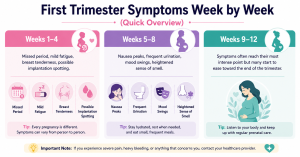
Pregnancy discharge doesn’t wait for a positive test. Here’s a clear week-by-week look:
- Days 6–12 after ovulation (about 1 week before missed period): Implantation often happens here. Some women notice a sudden increase in thin, white, or clear discharge as estrogen surges and the body begins to support the embryo.
- 3–4 weeks pregnant: This is when leukorrhea becomes noticeable for many. It can feel like you’re “wetter” than usual in the luteal phase.
- First trimester (weeks 4–12): Discharge often peaks early and stays increased. You might need panty liners more often.
- Later trimesters: It continues (and can become even heavier near the end), helping form the protective mucus plug that seals the cervix.
Not every woman experiences a dramatic change early on. Some notice nothing until after a missed period, while others swear by the extra discharge as one of their very first clues. Both are normal.
Why Does White Discharge Increase in Early Pregnancy? The Science Explained
The main culprits are hormones and increased blood flow:
- Estrogen surge: After implantation, estrogen levels skyrocket to support the growing placenta and uterus. This hormone directly stimulates cervical glands to produce more mucus.
- Progesterone’s role: It keeps the uterine lining thick and also contributes to relaxed pelvic tissues, leading to more secretions.
- Increased blood volume: Your body pumps 30–50% more blood during pregnancy, sending extra fluid to the vaginal area.
- Protective purpose: Leukorrhea creates an acidic environment that discourages harmful bacteria and yeast while flushing out dead cells. It’s your body’s natural defense system kicking into high gear.
This process starts subtly around implantation (6–12 days post-ovulation) and ramps up quickly—explaining why some women see it right in that “1 week before missed period” phase.
What Does Normal Early Pregnancy Discharge (Leukorrhea) Look Like?
Healthy leukorrhea in early pregnancy typically has these features:
- Color: Milky white, clear, or slightly off-white. It may look a bit translucent on toilet paper.
- Consistency: Thin and watery (sometimes slightly creamy but never thick or clumpy like cottage cheese).
- Odor: Mild or completely odorless. No fishy, sour, or strong smells.
- Amount: Noticeably more than your usual pre-period discharge. Some women describe it as feeling “constantly damp.”
- Texture: Smooth and slippery—no itching, burning, or irritation.
It often leaves a faint white or yellowish stain on underwear (completely normal and not a cause for alarm).
White Discharge in Early Pregnancy vs. Pre-Period Discharge: How to Tell the Difference
This is the question most women ask. Both can look similar because progesterone rises in the luteal phase, whether you’re pregnant or not. Here’s a clear comparison:
Feature: Early Pregnancy Leukorrhea Pre-Period Discharge (PMS)
Color Milky white or clear White, off-white, or cloudy
Consistency Thin, watery, slippery Thick, creamy, sticky
Amount increased and consistent Moderate, then decreases
Odor Mild or none Mild or none
Duration continues and often increases after the missed period. Stops or changes once the period starts.
Other clues may pair with fatigue, tender breasts, and mild cramping. Usually comes with typical PMS symptoms.
Key takeaway: If the discharge stays abundant and thin after your period is due (or continues when PMS symptoms would normally fade), it’s more likely pregnancy-related.
Other Early Pregnancy Symptoms That Often Appear Alongside Leukorrhea
White discharge rarely happens in isolation. Many women notice it alongside:
- Mild uterine cramping or pulling sensations (implantation)
- Breast tenderness or tingling
- Extreme fatigue
- Bloating or mild constipation
- Heightened sense of smell or metallic taste
- Frequent urination
If you’re seeing several of these together in that 1-week-before-missed-period window, it’s worth tracking closely.
When White Discharge Is NOT Normal: Red Flags and When to See a Doctor
While leukorrhea is usually harmless, certain changes can signal an infection or other issue. Contact your healthcare provider right away if you notice:
- Thick, clumpy, cottage-cheese-like discharge (possible yeast infection)
- Yellow, green, or gray color
- Strong, fishy, or foul odor
- Itching, burning, redness, or swelling
- Pain during urination or sex
- Watery discharge that feels like a gush (could indicate leaking amniotic fluid later in pregnancy)
- Blood-tinged discharge with severe pain or heavy bleeding
Common infections like yeast (candidiasis) or bacterial vaginosis are more common during pregnancy due to hormonal shifts, but are easily treated. Don’t wait—early care keeps both you and baby safe.
How to Manage and Feel More Comfortable with Increased Discharge
You can’t stop leukorrhea (and you shouldn’t—it’s protective!), but you can make it less annoying:
- Wear breathable cotton underwear and loose clothing
- Use unscented panty liners (change them often)
- Wipe front to back after using the toilet
- Avoid douches, scented soaps, or vaginal wipes—they disrupt healthy bacteria
- Stay hydrated and eat a balanced diet rich in probiotics (yogurt, kefir)
- Skip tampons entirely during pregnancy
Most women find the extra discharge becomes part of the “new normal” and eases slightly after the first trimester (though it often returns heavier near delivery).
Myths vs. Facts About White Discharge in Early Pregnancy
Myth: White discharge always means infection or that something is wrong. Fact: Thin, milky, odorless leukorrhea is healthy and protective.
Myth: You can’t have leukorrhea before a missed period. Fact: Many women notice it as early as 1 week before—right around implantation.
Myth: More discharge = higher chance of miscarriage or problems. Fact: Increased leukorrhea alone has no link to complications. Only sudden changes or other symptoms matter.
Myth: Discharge stops once you’re pregnant. Fact: It usually increases and stays throughout all nine months.
Real Experiences: What Other Women Share
From anonymous forums and patient stories: “I thought it was just my usual pre-period stuff, but it kept going and got thinner. My test was positive three days later.” Another mom-to-be said, “The extra white discharge started around day 22 of my cycle—way before my period was due. Paired with sore boobs and exhaustion, it was my first real clue.”
Every journey is different. Some feel nothing early on; others notice every tiny shift.
What to Do Next: Testing, Tracking, and Prenatal Care
If you suspect pregnancy:
- Wait until the day of or after your missed period for the most accurate home test (first morning urine is best).
- Retest in 2–3 days if negative, but symptoms continue.
- Book a prenatal appointment as soon as you get a positive result.
- Start a prenatal vitamin with folic acid immediately.
Track your discharge, symptoms, and cycle in a simple app or journal—it helps when talking to your doctor.
Conclusion: Listening to Your Body with Confidence
White discharge in early pregnancy—leukorrhea—is one of those quiet, reassuring signals that your body is doing exactly what it’s designed to do: protecting and nurturing new life. Whether it shows up one week before your missed period or a bit later, thin, milky, odorless discharge is usually a positive (and normal) sign.
Trust your intuition, but pair it with facts and professional care. If something feels off, reach out to your doctor sooner rather than later. You’ve got this—your body is already working hard, and that extra discharge is just one small part of an incredible journey.
Frequently Asked Questions
Is white discharge in early pregnancy normal?
Yes — in fact, it’s one of the most common and healthy signs! This thin, milky-white discharge is called leukorrhea. It increases due to rising estrogen and extra blood flow to the pelvic area. It helps protect your vagina from infections and keeps tissues healthy. Most women notice it starting as early as 1–2 weeks after conception (often 1 week before a missed period).
What does normal leukorrhea look like in early pregnancy?
Healthy early-pregnancy discharge is usually thin and watery (sometimes slightly creamy), milky white or clear, and has a very mild or completely odorless smell. It may leave a faint white stain on your underwear but shouldn’t cause itching, burning, or irritation. The amount is noticeably more than your usual cycle discharge.
Can white discharge appear 1 week before a missed period?
Absolutely. Many women first notice increased white discharge right around implantation (6–12 days after ovulation). This timing matches the “1 week before missed period” window and can be one of the earliest clues that you’re pregnant, even before a home test turns positive.
How can I tell the difference between pregnancy discharge and pre-period discharge?
Both can look white, but pregnancy leukorrhea is usually thinner, more watery, and more abundant. Pre-period discharge tends to be thicker, creamier, and stickier, then disappears once your period starts. If the discharge stays increased and thin after your period is due, it’s more likely pregnancy-related.
Is white discharge a definite sign of pregnancy?
Not on its own — but it’s a strong clue when combined with other early symptoms like breast tenderness, fatigue, mild cramping, or bloating. Many women report leukorrhea as one of their first noticeable changes, yet some pregnant women have very little extra discharge. The only way to confirm is with a pregnancy test.
When does increased white discharge usually start in pregnancy?
It often begins in the first 1–2 weeks after conception (around 3–4 weeks pregnant by gestational age) and continues to increase throughout the first trimester. Some women notice it as early as implantation; others see the biggest change after a missed period.
What causes leukorrhea (white discharge) during early pregnancy?
The main reasons are surging estrogen levels, increased blood volume, and progesterone’s effect on cervical glands. Your body produces more mucus to create a protective barrier, maintain healthy vaginal pH, and flush out old cells — all to keep you and your baby safe.
When should I worry about white discharge in early pregnancy?
Contact your doctor right away if the discharge becomes thick and clumpy (like cottage cheese), turns yellow/green/gray, has a strong fishy or foul odor, or comes with itching, burning, redness, pain during urination, or spotting with severe cramps. These can signal an infection that needs prompt treatment.
How can I manage extra white discharge comfortably?
Wear breathable cotton underwear and loose clothing, change unscented panty liners frequently, wipe front to back, and avoid douches or scented products. Stay hydrated and eat probiotic-rich foods (like yogurt) to support healthy vaginal bacteria. Never use tampons during pregnancy.
Can I have no extra discharge and still be pregnant?
Yes! Not every woman experiences noticeable leukorrhea early on. Some have almost no change until later in the first trimester, while others notice it right away. Lack of extra discharge does not mean anything is wrong — every pregnancy is unique.
Sources & Further Reading
This article is based on trusted medical sources. For the latest advice, please consult your healthcare provider.
- Mayo Clinic – Vaginal Discharge During Pregnancy: What’s Normal? (Updated 2024)
- Cleveland Clinic – Vaginal Discharge: What’s Normal and What’s Not (2024)
- Cleveland Clinic – Early Pregnancy Symptoms & Leukorrhea (Updated 2023)
- NHS (UK) – Vaginal Discharge in Pregnancy
- ACOG – Vaginal Discharge: What’s Normal During Pregnancy?
- WebMD – Vaginal Discharge During Pregnancy (Reviewed 2024)
- NHS – Week-by-Week: 4 Weeks Pregnant (Early Discharge Changes)
Important: This content is for informational purposes only and is not a substitute for professional medical advice. Always speak to your doctor about any changes in discharge or other pregnancy symptoms.