Baby Teething Symptoms and Natural Relief Remedies (No Medication – Complete 2026 Guide for Moms)

Edited by: MomSaathi Editorial Team

Reviewed by: Dr. Pooja Joshi – Dental Health Expert & Oral Care Reviewer

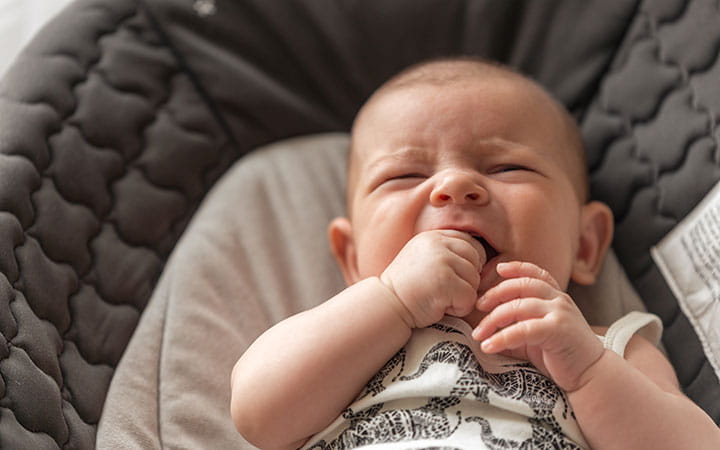
Hey there, wonderful mama! Does your baby have red gums, seem fussy, drool constantly, and seem to have lost sleep? You might be questioning if your baby is teething, and what you can do to help without medication.

This is one of the challenging phases new parents go through in the first two years, and we understand how overwhelming it can be at Momsaathi. That is why we have created a guide named Teething Relief that focuses on remedies without medication. You will also be informed on the description of symptoms, the timelines in which they appear, and the safest methods to soothe your baby.

This guide is also designed to be safe. That means no gels, no other medications, just safe, natural, and evidence-based methods designed to get through this phase with more smiles and fewer tears. Together, we can get through this! 🌟

When Does Teething Start? Typical Timeline (0–24 Months)

Most babies get their first tooth between 4 and 7 months, but it can start as early as 3 months or as late as 12 months. By the age of 2-3 years, we expect to see 20 primary teeth.

Common Age Ranges for First Teeth to Erupt Include:

  • 6-10 Months – Lower Central Incisors
  • 8-12 Months – Upper Central Incisors
  • 9-13 Months – Upper and Lower Lateral Incisors
  • 13-19 Months – First Molars
  • 16-23 Months – Canines
  • 23-33 Months – Second Molars

If a baby is 5 months old and suddenly becomes very upset, it could be related to teething. Prior to a tooth breaking through the gums, a baby can show signs of teething as early as a few weeks before it occurs.

If you want to stay on track for your baby’s development during this time, we recommend checking out this guide: Baby Milestones by Month: What to Expect 0-12 Months (With Red Flags).

Normal Teething Symptoms

  • Excessive drooling (may lead to chin rash)
  • Irritability and fussiness, particularly at night
  • Rubs ears and/or cheeks
  • Chews on anything and everything, which may lead to a loss of appetite (for breast milk, this is usually not the case)
  • Night waking
  • Increased fussiness (may lead to a loss of appetite)
  • Having a very mild fever (under 100.4°F / 38°C)
  • Rash caused by exposure to stools (may be a sign of insufficient sleep)
  • Sleep problems (may be caused by a rash caused by exposure to stools)
  • Chewing on hands, toys, and/or clothing

Please remember that babies do not typically show signs of teething with fever (greater than 101°F), vomiting, rash, or a severe reduction in appetite. Contact your child’s doctor if you believe that your child may have an infection.

If you’re noticing increased spit-up or changes in feeding frequency, it may be related to teething. You may want to refer to our guide: Why Does My Baby Spit Up After Every Feeding? Safe Remedies.

12 Safe Natural Teething Relief Remedies

These mom-created, pediatric-approved, teething baby relievers include:

  • Chilled Teething Rings — Teething silicone or rubber rings can be placed in the fridge for 15-20 minutes. They tend to numb the gums and become more comfortable.
  • Cold Washcloth — A clean, soft, cold washcloth is great for the baby to chew on. You can even add a little breast milk for added comfort.
  • Frozen Breast Milk Popsicles — You can pour your accumulated breast milk into a clean baby feeder or ice tray with a handle. Then, freeze it, and it can be great for older babies (6+ months).
  • Gentle Gum Massage — You’ll want to wash your hands, then wrap a clean finger in soft gauze, and then you can firmly rub the gums in a circular motion for 1-2 minutes.
  • Chilled Cucumber or Carrot Sticks (for 6+ months) — Cucumber or Carrot sticks may be given when your little one turns 6 months. You’ll want to supervise closely — and definitely don’t leave the baby alone.
  • Amber Teething Necklace? Only if… — The soothing effect Amber necklaces have is loved by many mothers; however, they should only be used under constant supervision, as there is a risk of choking. If you do choose to get an Amber necklace, use Baltic amber with an appropriate safety clasp.
  • Babywearing & Extra Cuddles — Staying close together, as with babywearing, causes the release of calming hormones and diverts attention from the discomfort.
  • White Noise + Dim Lights for Teething Discomfort Sleep — Disrupted sleep caused by teething is to be expected. Using a consistent sleep routine and white noise at bedtime is a good idea, as described in our Best Newborn Sleep Schedule 0-3 Months for First-Time Moms.
  • Breastfeeding on Demand — Extra nursing sessions provide comfort and closeness, help with hydration, and relieve pain.
  • Chilled Silicone Teething Toys — Safe brands with no detachable small parts.
  • Face & Chin Care — Wipe drool frequently and use coconut oil or lanolin to soothe raw skin.

Avoid Homeopathic Remedies — Some mothers use chamomile or calendula gels (which are natural and do not have benzocaine), but they should always check with a doctor before giving these remedies.

For the most up-to-date safe teething information provided by the American Academy of Pediatrics, please visit: Teething Pain Relief – American Academy of Pediatrics

Teething Nights & Fussy Days (Gentle Parenting Style)

Teething babies need a calm, predictable routine. An overtired baby will feel the discomfort much more and will be more cranky. Skin-to-skin with the baby is recommended, and babywearing is highly effective. Distraction with soft, calming songs and gentle play is recommended. Preferred toys are also recommended as good sources of distraction. You and your partner should alternate shifts so that you both have some time to rest.

These strategies combine wonderfully with our Gentle Parenting Techniques for Newborns and Toddlers (No Cry Methods).

Safe Practices & When to Call the Doctor

Always Safe:

  • The Teething Toy should be supervised
  • The Toys should be cleaned daily
  • Amber necklaces should not be used during sleep

You should Call Your Pediatrician If:

  • A fever that is over 100.4°F (38°C)
  • You have diarrhea lasting more than 24 hours
  • A refusal to be fed for long periods
  • Extreme lethargy or hours of inconsolable crying
  • Swelling or pus around the gum area
  • Any symptoms that trouble you

10 FAQs About Baby Teething Symptoms and Natural Relief

  • Can teething cause fever? Yes, it can cause mild low-grade fever, but high fever is usually something else.
  • How long does each tooth take to come in? Each tooth takes 3–7 days of noticeable symptoms, on average.
  • Is drooling always a sign of teething? Crying is a common result of infant behavior.
  • Should I use teething gels? Avoid any with benzocaine. Natural options are the way to go.
  • Do molars hurt more than front teeth? Yes, because of the larger surface area and because they are deeper in the gums.
  • Will my baby stop eating during teething? Baby might eat less solids, but typically will continue breastfeeding or formula well.
  • Can I give frozen fruit? Only soft options like banana or watermelon in a feeder bag after 6 months.
  • How do I prevent chin rash from drool? Wipe gently and apply a thin layer of coconut oil or barrier cream.
  • Is an amber teething necklace safe? Only with a proper breakaway clasp and constant supervision.
  • When should the first tooth appear? The average is 6 months, but anywhere from 3 to 12 months is normal.

You’re Doing an Amazing Job, Mama!

Teething can feel endless, but every tooth your baby gets gets them that little bit closer to that beautiful smile. With a little bit of extra patience, these natural teething relief remedies, and a few more cuddles, you’ll both get through the process that little bit stronger.

You’ve got natural tools, the community support, and more importantly, the love your baby needs. Save this guide and come back whenever a new tooth is on the way.

Which natural remedy was most effective for your teething baby? Which symptoms surprised you? The Momsaathi community is here for you!

If you know a mom whose baby is chewing everything, send her this no-medication teething guide. You’re helping more mamas than you know.

This article was medically reviewed by our in-house Dr. Pooja Joshi, pediatric consultant, and last updated March 2026. Always consult your pediatrician for personalized advice.


Safe Natural Teething Remedies for Babies in India – Dr. Pooja Joshi Explains

safe natural teething remedies for babies – chilled washcloth and neem teether for teething relief

Reviewed by: Dr. Pooja Joshi, Dentist | Oral Health Specialist

Author: By Team MomSaathi Expert

Why Natural Teething Remedies Are So Popular Among Indian Moms in 2026

Teething can feel overwhelming for both babies and parents. In 2026, more moms across India — especially in cities like Bengaluru — are turning to natural remedies instead of medicated gels or numbing agents. This shift happens because parents want gentle, chemical-free ways to ease discomfort while keeping things safe and simple.

For example, common symptoms like excessive drooling, chewing on fingers, red or swollen gums, and mild fussiness affect almost every baby. However, high fever, severe diarrhea, or rashes are not normal — always check with a doctor if these appear.

We asked Dr. Pooja Joshi, a trusted pediatric and family oral health specialist practicing in Karnataka, to share her top recommendations. She explains the most effective safe natural teething remedies for babies that Indian families can easily try at home.

Complete Guide to Infant Teething: Signs, Remedies & Chart | Apollo Cradle

When Does Teething Usually Start & What Signs Should You Expect?

Most babies begin teething between 6 and 10 months, although some start as early as 4 months or as late as 12 months. First, you’ll often notice increased drooling and the baby wanting to chew on everything. Then, gums may look red, swollen, or feel firm to the touch. Additionally, mild irritability and trouble sleeping are common.

Importantly, teething usually doesn’t cause high fever or serious illness. Therefore, if your baby has a temperature above 100.4°F (38°C), vomiting, or seems very unwell, consult a pediatrician right away — it could be something else.

Feeding Your Teething Baby: A Parent's Guide to Nutrition and Dental Health

Gum Massage with Clean Finger Teething remedies for babies India parents use include this no-cost method — but hygiene is key. Reality (Dr. Pooja Joshi): “Gentle rubbing relieves pressure on erupting teeth; it’s effective and builds early oral care habits.”Safe Practice: Wash hands thoroughly. Dip finger in cool water and rub gums in circular motions for 1-2 minutes. Do after feeds. Desi Tip: Combine with oil massage ritual using coconut oil (sparingly) — avoids direct application to gums

How to Relieve Your Baby's Teething Pain Safely | University Hospitals

Safe & Natural Teething Remedies Recommended by Experts

Here are Dr. Pooja Joshi’s favorite remedies — all beginner-friendly, low-risk, and using items most Indian homes already have:

Chilled Washcloth or Muslin Cloth This is one of the simplest and safest options for babies in India. Many parents overlook it, but it provides quick relief.

Reality (Dr. Pooja Joshi): “A chilled cloth offers gentle pressure and cooling to reduce swelling and soothe sore gums — without any risks.”

Safe Practice: Dampen a clean muslin cloth, twist it into a rope shape, and place it in the fridge (not freezer) for 15–30 minutes. Then let your baby chew under close supervision. Repeat whenever needed.

Desi Tip: In many Karnataka households, moms pair this with evening oil massage — just wrap the chilled cloth around your finger for a gentle gum rub.

Frozen Fruits or Veggies in a Nibbler For babies 6+ months who are starting solids, this remedy works beautifully. Reality (Dr. Pooja Joshi): “Chilled banana, carrot, or cucumber soothes gums while adding a bit of nutrition — always use a mesh nibbler to prevent choking.” Safe Practice: Freeze small pieces of banana or carrot in a silicone nibbler. Supervise every moment and throw away leftovers. Desi Tip: Many Indian families love using chilled mango slices or pineapple rind — the natural sweetness makes it more appealing.

Buy Natural Neem Wood Baby Teether – Handmade Wooden Animal Toy, Biodegradable, Chemical-Free – Soothing Teething Relief, Safe for Infants' Oral & Sensory Development(5PCS) Online at Low Prices in India - Amazon.in

Breast Milk Ice Cubes Teething remedies for babies India include this for breastfed infants — nutrient-rich and soothing. Reality (Dr. Pooja Joshi): “Frozen breast milk calms gums while providing comfort; ideal for younger babies.”

Safe Practice: Freeze expressed milk in ice cube trays. Wrap in thin muslin and let baby suck. Use fresh milk only.

Desi Tip: Mix with tulsi water for added calming — a gentle Ayurvedic twist.

Sippy Cup with Cool Water Teething remedies for babies India for older tots — hydration helps overall. Reality (Dr. Pooja Joshi): “Cool water relieves dry mouth from drooling; use a sippy cup for easy access.”Safe Practice: Offer cool (not cold) boiled water in a BPA-free sippy cup for 6+ months. Limit to avoid overhydration. Desi Tip: Infuse with jeera for tummy soothing — common in Indian homes.

When to See a Pediatric Dentist Immediately

  • High fever (over 100.4°F), severe diarrhea, or rash — may not be teething.
  • Excessive drooling causing skin irritation.
  • Refusal to eat or signs of infection like pus on gums.
  • Persistent crying or discomfort lasting over a week.
  • Any choking incident or allergic reaction to remedies.

Which teething remedy are you trying this week? Share in the comments — let’s help other moms in Bengaluru, Karnataka, and across India!

FAQ

How often should I practice teething remedies?

Aim for short sessions 3-4 times a day or as needed, always under supervision.

Mild elevation is possible, but high fever needs doctor check.

Chilled fruits like banana or carrot in nibblers for 6+ months.

Avoid direct use; it can burn gums. Stick to diluted herbals.

Usually 6-10 months, but varies.

Aim for short sessions 3-4 times a day or as needed, always under supervision.

Mild elevation is possible, but high fever needs doctor check.

Chilled fruits like banana or carrot in nibblers for 6+ months.

Avoid direct use; it can burn gums. Stick to diluted herbals.

Usually 6-10 months, but varies.

External Resources:

Baby Teeth Care Mistakes Indian Parents Make – Dr. Pooja Joshi Explains

Baby teeth care mistakes India – healthy smile with proper care

Momsaathi.com provides content for informational and educational purposes only. It is not intended to serve as a substitute for professional medical advice, diagnosis, or treatment. Always consult a pediatric dentist or your child’s doctor before starting any oral care routine, especially if your baby has sensitive skin, eczema, or allergies.

Reviewed by: Dr. Pooja Joshi Dentist | Pediatric & Family Oral Health Specialist

Author: By Team MomSaathi Expert

We asked Dr. Pooja Joshi, a trusted pediatric & family dentist practicing in Karnataka, to share the most common baby teeth care mistakes Indian parents make — and what to do instead.

  • Baby teeth care mistakes India parents make are very common — and they can lead to early cavities, pain, and dentist visits. In 2026, with better awareness, many moms are shifting to safer habits, but old habits (waiting too long to brush, night bottle feeds, sharing adult toothpaste) still cause problems.

    We asked Dr. Pooja Joshi, a trusted pediatric & family dentist practicing in Karnataka, to share the most common baby teeth care mistakes India parents make — and simple ways to fix them.

    1. Waiting Until All Teeth Appear Before Starting Cleaning

    Baby teeth care mistakes India often start here — many parents wait until multiple teeth come in or until age 2–3. Reality (Dr. Pooja Joshi): “Even before the first tooth erupts (around 6–10 months), clean gums gently with a soft, damp muslin cloth or silicone finger brush after every feed. Once the first tooth appears, brush twice daily with a rice-grain-sized smear of fluoride kids’ toothpaste.”

    Desi tip: Do this during evening oil massage time — many Karnataka moms combine both rituals.

    2. Night Feeds Without Wiping Teeth or Gums

    Baby teeth care mistakes India include putting baby to sleep with a milk bottle or breastfeeding without cleaning afterward. Reality (Dr. Pooja Joshi): “This causes nursing bottle caries — milk sugars sit on teeth overnight and feed cavity bacteria.”

    Safe fix: Wipe gums/teeth with a damp cloth after night feeds. After 12 months, avoid bottle-feeding to sleep.

    3. Using Adult Toothpaste or Too Much Toothpaste

    Baby teeth care mistakes India parents make include sharing family toothpaste or using a big blob. Reality (Dr. Pooja Joshi): “Adult toothpaste has higher fluoride and strong flavors. For under 3 years, use only a rice-grain-sized smear of 1000 ppm fluoride kids’ toothpaste.”

    Indian brands: Colgate Kids, Himalaya, Vicco (fluoride versions) — dentist-recommended.

    4. Skipping the First Dental Visit Until Problems Appear

    Baby teeth care mistakes India include waiting for pain or cavities before the first dental check-up. Reality (Dr. Pooja Joshi): “The Indian Dental Association recommends the first visit by age 1 or within 6 months of the first tooth. Early checks prevent fear and catch issues early.”

    Indian context: Affordable first visits available at government hospitals or private clinics (Cloudnine, Manipal).

    5. Using Unsafe Teething Remedies

    Baby teeth care mistakes India include giving honey, clove oil directly on gums, or teething necklaces. Reality (Dr. Pooja Joshi): “Honey before 1 year risks botulism. Clove oil can burn gums. Necklaces risk choking. Use chilled silicone teethers or a clean, wet washcloth instead.”

    Desi tip: Chilled carrot stick (supervised) or frozen muslin cloth works well.

    6. Ignoring Early White Spots or Cavities

    Baby teeth care mistakes India include thinking “milk teeth fall anyway, so cavities don’t matter.” Reality (Dr. Pooja Joshi): “Untreated cavities cause pain, infection, and affect permanent teeth. White/chalky spots are early decay — treatable with fluoride varnish if caught early.”

    Tip: Lift lip monthly and check front teeth in good light.

    7. Using Hard Brushes or Wrong Toothbrush

    Baby teeth care mistakes India include using adult hard brushes. Reality (Dr. Pooja Joshi): “Use extra-soft, small-head kids’ brushes — change every 3 months.”

    Tip: Let baby “chew” on brush to get used to it.

    When to See a Pediatric Dentist Immediately

    • First tooth appears (by age 1)
    • Any white/brown spot, hole, or pain
    • Swelling, fever, refusal to eat
    • Trauma (fall/chipped tooth)
    • Persistent thumb sucking/pacifier use after 3 years

    Which baby teeth care habit are you starting this week? Share in the comments — let’s help other moms, Karnataka families!

    Related Articles on Momsaathi.com:

    External Resources:

Dental Care for Kids India: Complete 2026 Guide for Parents

Dental care for kids India: baby gum cleaning with cloth

Dental Care for Kids India: Complete 2026 Guide for Parents

By Team MomSaathi Expert

Reviewed by Dr. Pooja Joshi, BDS – Pediatric & Preventive Dentistry Specialist

Dental care for kids India is essential for preventing common issues like cavities, which affect over 60–80% of Indian children due to diet, habits, and sometimes low fluoride exposure. Starting early builds lifelong healthy smiles. This 2026 guide shares practical, India-specific tips on brushing, teething, nutrition, and dentist visits.

When to Start Dental Care for Kids in India

Begin oral hygiene before teeth appear to avoid early childhood caries.

  • 0–6 months: Wipe gums gently with a soft, damp cloth after feeds. Never use a bottle for sleep—it’s a top cause of baby bottle tooth decay in India.
  • 6–12 months: Use a soft infant toothbrush with a rice-grain smear of fluoride toothpaste (1000–1500 ppm, per Indian Dental Association recommendations). Schedule the first dental visit by age 1 (or within 6 months of first tooth).

Early action reduces risks significantly.

How to Brush Properly: Dental Care for Kids India Guide

Supervision is key for effective brushing.

  • 1–3 years: Parents brush twice daily with rice-grain fluoride toothpaste using gentle circles.
  • 3–6 years: Pea-sized toothpaste; supervise and teach technique. Introduce flossing for touching teeth.
  • 6+ years: Encourage independence but check until age 8–10.

Spit don’t rinse vigorously to retain fluoride benefits. For daily routines, see our toddler hygiene routines.

Common Cavity Causes & Prevention in Indian Kids

Cavities stem from frequent sugars and poor habits, not just sweets.

Risks include:

  • Sticky Indian foods (jalebi, peda)
  • Packaged juices, colas, sweetened drinks
  • Night bottle feeding
  • Infrequent brushing

Prevention: Limit snacks to meals, rinse with water, apply professional fluoride varnish every 6 months. Check Indian Dental Association fluoride guidelines for details.

Safe Teething Relief for Babies in India

Teething causes drooling and mild discomfort—not high fever.

Tips:

  • Chilled teething rings
  • Gentle gum massage
  • Doctor-approved relief only

More in our baby teething relief guide.

Handling Thumb Sucking & Other Habits

Normal up to 3–4 years; prolonged cases may shift teeth.

Encourage positively; consult a dentist if persistent beyond 5.

Dental Visits: Timing for Kids in India

  • First visit: By age 1
  • Routine: Every 6 months

Early check-ups allow sealants, fluoride, and fear-free experiences. Follow Indian Academy of Pediatrics oral health guidelines.

Nutrition Tips for Strong Teeth (Dental Care for Kids India)

Calcium-rich Indian foods build enamel:

Include: Milk, curd, paneer, leafy greens (palak), fruits. Limit: Mithai, sugary cereals, aerated drinks.

See our nutrition guide for toddlers.

Expert Insight from Dr. Pooja Joshi

“Consistent dental care for kids India from infancy prevents most problems and ensures confident smiles for life.”

Warning Signs: Act Fast

See a dentist for white/brown spots, bleeding gums, bad breath, pain, or chewing issues.

Final Takeaways: Dental Care for Kids India

  • Start gum cleaning at birth
  • Supervised fluoride brushing twice daily
  • First dentist visit by age 1
  • Calcium-focused diet, sugar limits
  • Break bad habits early
  • Regular check-ups

Most issues are preventable!

Medical Disclaimer: Educational only—not a substitute for professional advice. Consult a dentist for personalized care.