
Edited by: MomSaathi Editorial Team
Reviewed by: Medical Experts (Gynaecologists)
If you’re tracking your cycle closely and suddenly wondering why you’re feeling a bit off just one week before your expected period, you’re not alone. The phrase “1 week pregnancy symptoms before missed period” pops up in countless searches because many women notice subtle (or not-so-subtle) changes right around this time—often before a home pregnancy test would even be reliable. These early clues can feel exciting, scary, or confusing, especially when they overlap with premenstrual syndrome (PMS).
In this comprehensive guide, we’ll walk through what “1 week before a missed period” really means in pregnancy terms, the most common symptoms backed by medical sources such as the Mayo Clinic and Cleveland Clinic, why they occur, how they differ from PMS, and practical next steps. Whether you’re hoping for a positive test or just gathering information, this article is here to help you feel informed and supported. Let’s dive in.
Understanding the Pregnancy Timeline: Why Symptoms Can Appear This Early
Pregnancy weeks are counted from the first day of your last menstrual period (LMP), not from conception. So if your cycle is a typical 28 days:
- Week 1–2 (LMP to ovulation): Your body is preparing for a possible pregnancy. Ovulation usually happens around day 14.
- Conception: Sperm meets egg, usually within 24 hours of ovulation.
- Implantation: The fertilized egg (now a blastocyst) travels to the uterus and embeds in the lining. This typically occurs 6–12 days after ovulation—right around 7–10 days before your expected period.
- Missed period: Around day 28 (4 weeks pregnant), when hCG (human chorionic gonadotropin, the pregnancy hormone) rises enough to stop your period.
That “1 week before missed period” window is roughly 3–4 weeks pregnant (gestational age) or about 1–2 weeks post-conception. At this stage, hCG and progesterone levels begin to rise rapidly after implantation. These hormones are what trigger early symptoms for some women, sometimes as soon as implantation begins.
Not every woman feels anything this early. Some sail through with zero clues until a positive test; others swear by tiny changes that turn out to be the real deal. Bodies are beautifully unique, and that’s completely normal.
The Science Behind Early Symptoms: Hormones at Work
Once implantation happens, your body produces hCG (detectable in blood tests as early as 7–10 days post-ovulation). Progesterone, which supports the luteal phase, continues to rise to maintain the pregnancy. Estrogen also surges. These shifts can affect everything from your breasts and energy levels to your digestion and mood.
Implantation itself can cause minor physical sensations because the embryo burrows into the uterine lining. This is why some symptoms feel like a lighter version of period cramps or spotting.
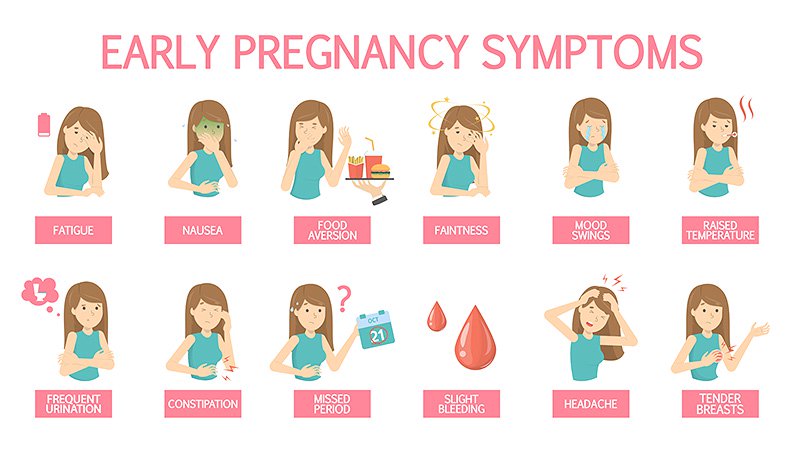
Common 1 Week Pregnancy Symptoms Before Missed Period
Here are the symptoms most frequently reported in this early window. We’ll cover what they feel like, why they happen, and real-world nuances.
1. Implantation Bleeding or Light Spotting
One of the earliest possible signs is light pink or brown spotting—often called implantation bleeding. It happens when the embryo attaches to the uterine wall and can appear 6–12 days after ovulation (perfectly timed for that “1 week before period” mark).
Unlike a period, it’s very light, lasts 1–2 days max, and doesn’t require a pad or tampon. Many women describe it as a few drops when wiping or light streaks in underwear.
Tip: If bleeding is heavy, bright red, or accompanied by severe pain, contact your doctor immediately—it could signal something else.
2. Mild Cramping or Pulling Sensations
Mild uterine cramps or a “pulling” feeling in the lower abdomen often accompany implantation. These feel like gentle period cramps, but are usually less intense and more localized. They stem from the uterus stretching slightly and progesterone relaxing muscles.
Women often say it feels different from typical PMS cramps—more like a subtle tug or flutter rather than throbbing pain.
3. Breast Tenderness, Swelling, or Tingling
Hormonal changes can make breasts feel sore, heavy, or tingly as early as 1–2 weeks after conception. Nipples may darken slightly or become more sensitive. You might notice veins appearing more prominent or your bra feeling tighter.
This is one of the most commonly reported early signs and can start before a missed period. The good news? Discomfort often eases after the first trimester as your body adjusts.
4. Fatigue and Extreme Tiredness
That sudden wave of exhaustion? Blame rising progesterone, which has a natural sedative effect. Many women feel unusually drained—even after a full night’s sleep—right around the time of implantation.
It’s not just “I’m a little sleepy.” It’s the kind of fatigue where napping feels essential and simple tasks drain you. This can hit as early as one week post-conception.
5. Nausea, Food Aversions, or a Metallic Taste
While full-blown morning sickness often peaks around weeks 6–9, some women experience queasiness, food sensitivities, or a metallic taste in the mouth much earlier—sometimes before a missed period. Certain smells (coffee, meat, perfume) may suddenly turn your stomach.
This is linked to rapidly rising hCG and estrogen. Not everyone gets it early, and it can feel more like mild indigestion than vomiting.
6. Bloating, Constipation, or Digestive Changes
Progesterone slows digestion, giving your body more time to absorb nutrients. The result? Bloating that feels exactly like pre-period puffiness, plus possible constipation.
You might already feel gassy or notice your jeans fitting differently.
7. Mood Swings or Emotional Sensitivity
The hormone rollercoaster can make you tear up at commercials, snap over small things, or feel unusually emotional. These shifts can mimic PMS but sometimes feel more intense.
8. Frequent Urination
Increased blood volume and hormonal changes mean your kidneys work harder, leading to more fluid being sent to your bladder. Some women notice this subtle increase even before a missed period.
9. Heightened Sense of Smell or Other Sensory Changes
Your nose might feel extra sensitive, or you could pick up on smells others don’t notice. Headaches or mild dizziness can also occur due to changes in blood flow.
10. Raised Basal Body Temperature (BBT)
If you’re tracking BBT for fertility, a sustained high temperature after ovulation (beyond your usual luteal phase) can be an early clue. Progesterone keeps it elevated.
How to Tell the Difference: Pregnancy Symptoms vs. PMS
This is the tricky part. Many early pregnancy symptoms overlap with PMS because both involve progesterone. Key differences:
- Timing and persistence: Pregnancy symptoms often continue or intensify past when your period would start; PMS usually resolves once bleeding begins.
- Severity: Implantation spotting is lighter and shorter than a period. Breast tenderness in pregnancy may feel deeper or include tingling.
- Unique clues: A metallic taste, extreme fatigue that doesn’t lift, or food aversions are more pregnancy-specific.
- No period: The ultimate differentiator, but you won’t know until the due date arrives.
If your symptoms feel “off” from your usual cycle, trust your intuition and test when the time is right.
When to Take a Pregnancy Test for the Most Accurate Results
Home urine tests detect hCG, but levels need time to build. The most accurate time is the day of or after your missed period. Some sensitive tests (like those claiming “early detection”) can detect 5–6 days earlier, but false negatives are common if tested too soon.
- Blood test: Your doctor can detect pregnancy earlier (as soon as 7–10 days post-ovulation).
- Pro tip: Test with the first morning urine for the highest concentration. If negative but symptoms persist, wait 2–3 days and retest.
A positive result? Schedule your first prenatal appointment right away.
What to Do Next: Healthy Steps While Waiting or After Confirmation
Whether you’re still in the two-week wait or just got a positive:
- Start a prenatal vitamin with at least 400 mcg of folic acid immediately.
- Stay hydrated, eat small, frequent meals if nauseous, and rest when tired.
- Cut back on caffeine and avoid alcohol, smoking, and certain medications.
- Track symptoms in a journal—it helps when talking to your doctor.
When to Contact a Doctor Right Away
Most early symptoms are normal, but reach out if you experience:
- Severe one-sided pain or heavy bleeding (possible ectopic pregnancy).
- Severe nausea/vomiting is preventing fluids.
- Dizziness, fainting, or high fever.
- Any concerns—better safe than sorry.
Early prenatal care makes a huge difference.
Myths vs. Facts About Early Pregnancy Symptoms
Myth: You must have symptoms to have a healthy pregnancy. Fact: Many women feel nothing early on and go on to have perfectly normal pregnancies.
Myth: All spotting means miscarriage—fact: Light implantation bleeding is common and usually harmless.
Myth: Symptoms start the day after conception. Fact: Most begin around implantation, not immediately.
Real Experiences: What Other Women Say
From online forums and patient stories (anonymized), women describe everything from “sudden exhaustion that hit like a truck” to “my breasts felt bruised before my period was even due.” One mom-to-be noticed a faint metallic taste and dismissed it—until her test turned positive days later. Remember: Every journey is different.
Conclusion: Listening to Your Body with Confidence
The 1-week pregnancy symptoms before a missed period can be the first whisper that something beautiful might be happening. Whether you’re experiencing tender breasts, fatigue, light spotting, or none of the above, know that your body is doing incredible work. Trust the process, but always pair intuition with professional medical advice.
If you’re trying to conceive or suspect pregnancy, congratulations on taking this step toward understanding your body better. Start that prenatal vitamin, book an appointment when ready, and be kind to yourself in the waiting. You’ve got this.
Frequently Asked Questions
Can you have pregnancy symptoms 1 week before a missed period?
Yes. Some women notice early signs as soon as 6–12 days after ovulation (roughly 1 week before their expected period). These symptoms are usually caused by rising hCG and progesterone after implantation. Common ones include light spotting, mild cramping, breast tenderness, and extreme fatigue. However, not everyone feels symptoms this early — many feel nothing until after a missed period.
What are the earliest pregnancy symptoms before a missed period?
The most reported early symptoms include:
- Implantation bleeding or spotting
- Mild uterine cramping or pulling sensation
- Breast tenderness, swelling, or tingling
- Unusual fatigue
- Bloating or constipation
- Heightened sense of smell or metallic taste
- Mood swings
These can appear 1–2 weeks after conception and often mimic PMS.
How soon after conception do pregnancy symptoms start?
Symptoms can begin as early as 1 week after conception (around the time of implantation), but most women notice them between 3–4 weeks pregnant (1 week before or after a missed period). Every body is different — some feel changes within days, while others have no symptoms until later.
How can I tell the difference between early pregnancy symptoms and PMS?
Both are caused by progesterone, so they feel similar. Key differences:
- Pregnancy symptoms often continue or get stronger after your period is due.
- Implantation spotting is lighter and shorter than a normal period.
- Unique clues like a metallic taste, extreme fatigue that doesn’t lift, or strong food aversions point more toward pregnancy.
If symptoms feel “different” from your usual PMS, take a test when your period is late.
Is light spotting 1 week before my period a sign of pregnancy?
It can be! This is called implantation bleeding and happens when the embryo attaches to the uterine lining. It’s usually light pink or brown, lasts 1–2 days, and doesn’t require a pad. Heavy bleeding or bright red blood with severe pain needs immediate medical attention.
When is the best time to take a pregnancy test if I have early symptoms?
For the most accurate result, wait until the day of or after your missed period. Some sensitive early-detection tests work 5–6 days before
Sources & Further Reading
This article is based on information from trusted medical organizations. For the latest advice, please consult your healthcare provider.
- Mayo Clinic – Symptoms of Pregnancy: What Happens First (2024)
- Cleveland Clinic – Am I Pregnant? Early Symptoms of Pregnancy (Updated 2022)
- Cleveland Clinic – Implantation Bleeding: Causes & Symptoms (2024)
- NHS (UK) – Signs and Symptoms of Pregnancy
- WebMD – Early Signs of Pregnancy
- Cleveland Clinic Health – 5 Reliable Early Pregnancy Signs (2021)
- NHS – Week-by-Week Pregnancy Guide: 4 Weeks Pregnant
- Cleveland Clinic – First Trimester of Pregnancy: What to Expect (2022)
Important: This content is for informational purposes only and is not a substitute for professional medical advice.