
Pranayama for Gut Health: Techniques Indian Moms Can Try – Aarti Subudhi Explains

Reviewed by: Aarti Subudhi, Certified Yoga Instructor & Women’s Wellness Expert

Authored by: Team MomSaathi Expert


We consulted Aarti Subudhi, founder of AAtman Yoga Classes and a specialist in women-focused yoga practices, to share beginner-friendly pranayama techniques that can support gut health. With her expertise in pranayama, stress management, and hormonal balance, Aarti emphasizes how mindful breathing can enhance digestion naturally, especially for busy moms in India.

Pranayama, the yogic practice of breath control, can stimulate the digestive system by activating the parasympathetic nervous system, reducing stress, and improving blood flow to the gut. It may help with issues like bloating, constipation, and indigestion by massaging abdominal organs and boosting metabolism. Here are five effective techniques Aarti recommends for gut health:

Diaphragmatic Breathing (Deep Abdominal Breathing)The Technique: This foundational pranayama focuses on deep belly breaths to relax the body and mind. Reality from Aarti: “Many moms breathe shallowly due to stress, which disrupts digestion. Diaphragmatic breathing activates the vagus nerve, promoting relaxation and better gut function.”Safe Practice: Sit or lie comfortably. Place one hand on your chest and one on your abdomen. Inhale deeply through the nose for 4 counts, letting your belly rise (chest stays still). Exhale slowly through the mouth for 4 counts. Repeat for 5-10 minutes daily.Desi Tip: Practice before meals with a cup of warm jeera water to enhance digestive fire (Agni).
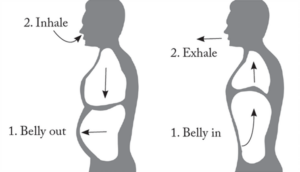
 

1.Diaphragmatic Breathing (Deep Abdominal Breathing)The Technique: This foundational pranayama focuses on deep belly breaths to relax the body and mind. Reality from Aarti: “Many moms breathe shallowly due to stress, which disrupts digestion. Diaphragmatic breathing activates the vagus nerve, promoting relaxation and better gut function.”Safe Practice: Sit or lie comfortably. Place one hand on your chest and one on your abdomen. Inhale deeply through the nose for 4 counts, letting your belly rise (chest stays still). Exhale slowly through the mouth for 4 counts. Repeat for 5-10 minutes daily.Desi Tip: Practice before meals with a cup of warm jeera water to enhance digestive fire (Agni).


2.Kapalbhati Pranayama (Skull-Shining Breath)The Technique: A dynamic breathing exercise with forceful exhalations to cleanse and energize. Reality from Aarti: “Kapalbhati acts like an internal massage for the stomach, helping with constipation and toxin removal – perfect for moms dealing with irregular routines.” Safe Practice: Sit upright with hands on knees. Inhale normally, then exhale forcefully through the nose by contracting your abdomen (inhales are passive). Do 30-50 pumps per round, for 3 rounds. Start slow if new.Desi Tip: Avoid during periods or pregnancy; pair with a light walk in the park for better results

 

3.Nadi Shodhana Pranayama (Alternate Nostril Breathing)The Technique: Balances the body’s energy channels for overall harmony. Reality from Aarti: “This technique calms the mind and reduces stress-related gut issues like IBS, fostering better gut-brain communication.”Safe Practice: Sit comfortably. Close right nostril with thumb, inhale through left for 4 counts. Close left with ring finger, exhale through right. Alternate for 5 minutes.Desi Tip: Use in the morning with tulsi tea to support hormonal balance and digestion.


4.Bhramari Pranayama (Humming Bee Breath)The Technique: Involves humming to create vibrations that soothe the system. Reality from Aarti: “The humming calms racing thoughts, indirectly aiding digestion by lowering cortisol levels that can slow gut motility.”Safe Practice: Close eyes, plug ears with fingers. Inhale deeply, exhale with a ‘mmm’ hum like a bee. Repeat 5-10 times.Desi Tip: Ideal before bedtime; combine with chamomile or saunf tea for bloating relief.


5.Bhastrika Pranayama (Bellows Breath)The Technique: Rapid breathing to boost energy and metabolism. Reality from Aarti: “Bhastrika stimulates digestive organs, improving nutrient absorption and preventing sluggish digestion common in busy lifestyles.”Safe Practice: Sit comfortably. Inhale and exhale forcefully through the nose, like bellows, for 30-50 pumps per round (3 rounds). Use internal holds if advanced.Desi Tip: Practice on an empty stomach; follow with fresh fruit like papaya for natural detox.


When to See a Yoga Instructor or Doctor Immediately

  • Dizziness, rapid heartbeat, or discomfort during practice
  • Pregnancy, recent delivery, or heavy menstrual flow (use only gentle breaths)
  • Chronic gut issues like severe IBS, ulcers, GERD, or heart conditions
  • Persistent symptoms: intense pain, blood in stool, unexplained weight loss
  • For personalized sequences, especially with PCOS, thyroid, or stress-related digestion problems

Which pranayama technique are you starting this week? Share in the comments — let’s help other moms in Bengaluru, Karnataka, and across India!


Momsaathi.com provides content for informational and educational purposes only. It is not intended to serve as a substitute for professional medical advice, diagnosis, or treatment. Always consult your doctor or a certified yoga instructor before starting any pranayama or breathing practice, especially if you have gut issues (IBS, acidity, constipation), are pregnant, postpartum, have high blood pressure, or any health conditions.

Motherhood v/s Wifehood : Finding Harmony, Not Competition

motherhood and wifehood balance tips for Indian moms

Edited by: MomSaathi Editorial Team

Reviewed by: Based on mental health and relationship wellbeing guidelines from WHO & UNICEF

Momsaathi.com provides content for informational and educational purposes only. It is not intended to serve as a substitute for professional medical advice, diagnosis, or treatment. Always consult a counselor, therapist, or gynecologist if you’re feeling overwhelmed, resentful, or disconnected in your marriage or motherhood.

The journey of motherhood is beautiful, rewarding, and deeply fulfilling — but it often creates a silent tug of war inside many women. Somewhere between school runs, sleepless nights, emotional meltdowns, and endless responsibilities, moms quietly ask themselves: “Where did the wife in me go?” This struggle over motherhood and wifehood balance is one of the biggest unspoken challenges Indian moms face.

Society glorifies selfless motherhood while wifehood quietly fades into the background. As a result, the two roles start to feel like competitors — each demanding time, energy, and emotional presence. The truth is: they are not rivals. They are partners.

Why Motherhood and Wifehood Feel Like Competition in Indian Families

The struggle isn’t because women fail — it’s because expectations multiply after children arrive.

Emotional overload

Mothers often carry the emotional weight of the entire household: children’s needs, partner’s expectations, family pressures, and social comparisons. This leaves little space for nurturing the marriage.

Guilt-driven priorities

Many moms believe choosing children over marriage makes them a “good mother,” while choosing marriage feels selfish. This mindset creates guilt, exhaustion, and emotional disconnection.

Lack of open conversations

Many couples never talk about how parenting shifts relationship dynamics. Silence breeds assumptions — and assumptions lead to resentment.

Motherhood Changes You — But It Doesn’t Erase the Wife in You

One of the biggest myths is: “To be a good mother, I must lose myself as a wife.” That’s not true. Motherhood adds a beautiful layer to your identity — it doesn’t replace the others. You are still:

  • A partner
  • A woman
  • An individual with emotional needs

Ignoring these aspects doesn’t make you stronger — it makes you depleted.

Harmony Begins with a Mindset Shift

Stop Choosing — Start Integrating

Motherhood and wifehood are not roles you switch on and off. They coexist. For example:

  • You can be nurturing and romantic
  • You can be present for your child and emotionally connected to your partner
  • You can be tired and still intentional

Harmony begins when you stop seeing life in “either/or” terms.

Communication: The Bridge Between Both Roles

After children, conversations often revolve around logistics: school, food, expenses, and schedules. But emotional conversations disappear.

Therefore, ask each other:

  • “How are you really feeling?”
  • “What do you miss about us?”
  • “How can we support each other better?”

Emotional intimacy survives through conversation — not assumption.

Making Marriage a Priority Without Neglecting Children

You don’t need grand gestures or luxury getaways. Small, consistent moments matter:

  • Tea together after the kids sleep
  • Checking in emotionally once a day
  • Laughing over shared memories
  • Physical affection without expectations

Children benefit when they see their parents emotionally connected.

Strong Marriage = Secure Children

Research and real-life experience show:

  • Children thrive when parents are emotionally healthy
  • A strong marital bond creates emotional security at home
  • Love between parents models healthy relationships for children

Prioritizing marriage is not neglecting children — it’s nurturing them indirectly.

Sharing Responsibilities: A Team, Not a Solo Act

When one partner carries most of the load, imbalance is inevitable. Therefore:

  • Share emotional labor
  • Share household responsibilities
  • Share parenting decisions

Equality isn’t about perfection — it’s about effort and empathy.

Self-Care: The Missing Piece in the Balance

A woman balancing motherhood and wifehood must first care for herself. Self-care doesn’t mean luxury — it means:

  • Rest when possible
  • Saying no without guilt
  • Asking for help
  • Protecting mental health
  • Reconnecting with yourself

A fulfilled woman shows up better in every relationship.

Warning Signs That Balance Is Breaking

Pay attention if you feel:

  • Constant irritation toward your partner
  • Emotional distance
  • Feeling unseen or unheard
  • Resentment over responsibilities
  • Loss of intimacy

These are not failures — they are signals to pause, communicate, and reset.

Redefining Balance: What Harmony Actually Looks Like

Balance does NOT mean:

  • Equal time every day
  • Perfect routines
  • No conflicts

Balance DOES mean:

  • Mutual understanding
  • Flexibility
  • Communication
  • Emotional safety
  • Compassion for yourself

Some seasons demand more motherhood. Others need more wifehood. Harmony lies in adapting — not comparing.

Frequently Asked Questions

How can I balance motherhood and marriage?

Balance comes from communication, shared responsibilities, and making small efforts to stay emotionally connected with your partner.

Is it normal to feel disconnected from your partner after having kids?

Yes, it’s common. However, with open communication and intentional time together, connection can be rebuilt.

Does prioritizing marriage affect children negatively?

No, a strong marriage actually creates a more secure and emotionally stable environment for children.

What are the signs of imbalance in marriage after kids?

Emotional distance, constant irritation, lack of communication, and loss of intimacy are common signs.

Final Thoughts

Motherhood and wifehood balance was never meant to be a competition. There are two powerful roles held by one strong woman — you.

When you:

  • Release guilt
  • Communicate openly
  • Share responsibilities
  • Care for yourself

You create a life where love flows freely — toward your children, your partner, and yourself.

Harmony isn’t perfection. Its presence.

Which part of motherhood and wifehood balance feels hardest for you right now? Share in the comments — let’s support each other.

Related Articles on Momsaathi

Trusted External Resources

Tip: Reading trusted resources alongside expert-backed articles helps you make informed decisions and supports emotional well-being during motherhood.