
Momsaathi.com provides content for informational and educational purposes only. It is not intended to serve as a substitute for professional medical advice, diagnosis, or treatment. Always consult your gynaecologist or obstetrician for personalised guidance, scans, and check-ups during pregnancy.
A week-by-week pregnancy guide, India helps you understand exactly what’s happening inside your body and with your baby at every stage. In India, especially in places like Karnataka, many moms follow this closely because family members often ask “which week are you in?” and want to know what symptoms or foods are important right now.
Pregnancy weeks are counted from the first day of your last menstrual period (LMP). This guide shows the most common changes, symptoms, baby growth milestones, and safe desi tips, trimester by trimester.
First Trimester (Weeks 1–12): Building the Foundation
This phase is the most critical since your baby’s major organs form rapidly. Meanwhile, hormones surge, which explains why early symptoms often feel intense.
Conception & Implantation (Weeks 1–4)
- The baby develops after fertilisation and is implanted in the uterus around week 4. At this point, the neural tube (future brain and spine) begins forming.
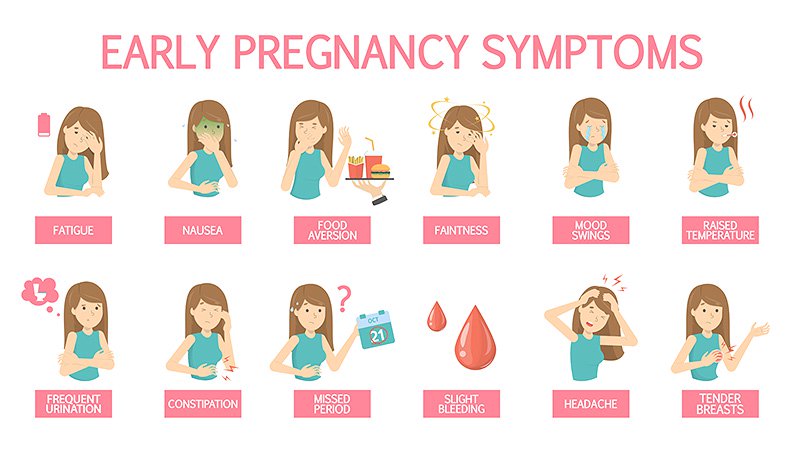
- Your body may show a missed period, light spotting (implantation bleeding), and mild cramps.
- Common symptoms include fatigue and breast tenderness.
- Desi tip: Start eating folic acid-rich foods such as palak, methi, and dal, and take your prenatal vitamin.
Heartbeat Begins (Weeks 5–8)
- Baby now has a tiny heartbeat detectable by week 6. In addition, the brain and limbs start forming. Size grows from a sesame seed to a grape.
- Your body experiences nausea, extreme tiredness, and mood swings.
- Common symptoms include food aversions and heightened smell sensitivity.
- Desi tip: Eat small meals like idli or khichdi, and sip ginger tea to ease nausea.
End of Embryonic Stage (Weeks 9–12)
- Baby has all major organs in place; fingers and toes form. Size reaches about a lime.
- Your body shows growing breasts and a slightly expanding uterus.
- Common symptoms include constipation and bloating.
- Desi tip: Use isabgol with warm water or eat papaya to improve digestion.
Second Trimester (Weeks 13–26): The “Honeymoon Phase”
Many moms feel much better during this period. For example, nausea usually fades, and energy returns.
Quick Growth (Weeks 13–16)
- Baby develops hardening bones, hair, and eyebrows; the first flutters may be felt. Size becomes avocado-like.
- Your body shows a visible bump; your breasts feel less tender.
- Common symptoms include a mild backache.
- Desi tip: Include curd, paneer, and ragi for calcium.
Feeling Kicks (Weeks 17–20)
- Baby can hear your voice; gender is often visible on the scan. Size is about a banana.
- Your body experiences the first kicks (quickening) and the linea nigra.
- Common symptoms include heartburn.
- Desi tip: Eat small meals and drink saunf water to soothe acidity.
Rapid Weight Gain (Weeks 21–26)
- Baby develops maturing lungs and fat layers. The size grows to that of a cauliflower.
- Your body may show stretch marks.
- Common symptoms include swelling and Braxton Hicks contractions.
- Desi tip: Elevate legs and drink coconut water.
[fc-bmi-cal]
Third Trimester (Weeks 27–40): Preparing for Birth
Baby gains weight quickly while your body gets ready for labour.
Brain & Lung Maturation (Weeks 27–32)
- Baby has rapid brain growth and maturing lungs. Size reaches pineapple.
- Your body experiences shortness of breath and frequent urination.
- Common symptoms include insomnia.
- Desi tip: Sleep on your left side and drink turmeric milk.
Positioning for Birth (Weeks 33–36)
- Baby hardens bones (except skull) and often moves head-down. Size is honeydew-like.
- Your body feels pelvic pressure and a nesting instinct.
- Common symptoms include more frequent Braxton Hicks.
- Desi tip: Eat dates daily and try gentle perineal massage.
Full-Term Readiness (Weeks 37–40)
- Baby is now full-term with ready lungs. Size is watermelon-like.
- Your body shows mucus plug discharge and early contractions.
- Common symptoms include loose stools.
- Desi tip: Stay hydrated and prepare your hospital bag.
Final Note for Indian Moms: Every week in this week-by-week pregnancy guide, India brings new changes. Therefore, enjoy them, attend all antenatal checks (PMSMA on the 9th), and trust your doctor. You’re doing something miraculous!
Which week are you in right now? Share your current symptoms or favourite desi tip in the comments — let’s support each other, Karnataka moms!
Related Articles on Momsaathi.com:
- Pregnancy Tips India 2026
- Foods to Eat During Pregnancy in India
- Early Pregnancy Symptoms First Trimester India
External Resources: