
Momsaathi.com provides content for informational and educational purposes only. It is not intended to serve as a substitute for professional medical advice, diagnosis, or treatment. Always consult your gynecologist or obstetrician immediately if you experience any concerning symptoms during pregnancy. Never ignore warning signs — early medical attention can make a big difference.
The first trimester (weeks 1–12) is a magical yet sensitive time. Your body is working hard to grow a tiny human, and many changes happen quickly. While some symptoms are completely normal, others can be red flags that need your doctor’s attention right away.
As Indian moms (especially in Karnataka and other regions), we often hear a lot of family advice — but it’s important to separate myths from medical facts. Below is a clear checklist of 15 early pregnancy symptoms first trimester India moms commonly experience, which ones are normal, which are warning signs, and safe desi home remedies that many gynecologists approve.
Normal & Common Early Pregnancy Symptoms (Usually Not a Cause for Worry)
These are typical in the first 12 weeks and often ease after week 13.
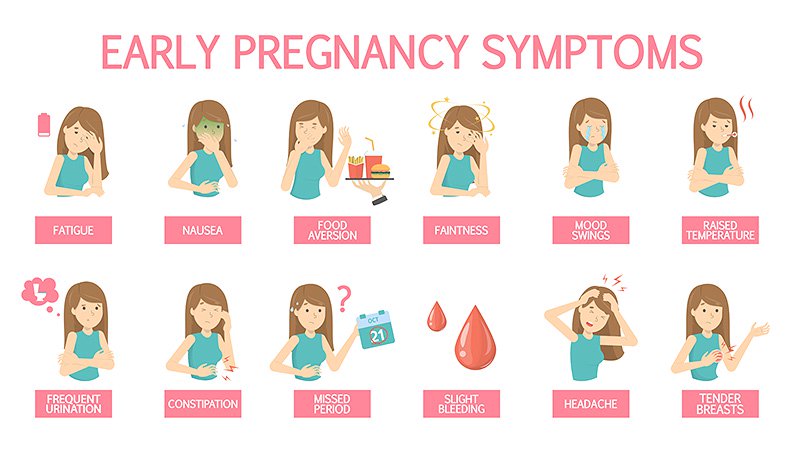
1. Missed Period
The very first sign for most women. If your cycle is regular and you miss a period, take a home pregnancy test.
2. Nausea & Morning Sickness
Very common (affects ~70–80% of pregnancies). Safe Indian home remedy: Sip ginger tea (adrak chai), eat small amounts of roasted jeera water, or suck on elaichi (cardamom) — all doctor-approved for mild nausea. Ginger is widely supported as a safe remedy for pregnancy nausea .
3. Extreme Fatigue
You may feel exhausted even after sleeping 10 hours. Safe remedy: Rest whenever possible, take short naps, drink coconut water for natural electrolytes.
4. Tender or Swollen Breasts
Hormones cause sensitivity and tingling. Wear a soft cotton bra and avoid tight clothes.
5. Frequent Urination
Your growing uterus presses on the bladder. Drink plenty of water but don’t cut fluids.
6. Food Aversions & Cravings
Suddenly hating certain smells (garlic, onion) or craving sour things (imli, green mango). Normal — listen to your body.
7. Mood Swings & Emotional Sensitivity
Hormonal rollercoaster. Talk to your partner or family; light walks or meditation help.
8. Mild Headaches
Often due to dehydration or hormones. Safe remedy: Rest in a cool room, apply warm coconut oil on temples, drink tulsi water.
9. Light Spotting (Implantation Bleeding)
Very light pink/brown spotting around week 4 is usually harmless. Monitor and inform your doctor.
10. Bloating & Mild Constipation
Progesterone slows digestion. Safe Indian remedy: Eat fibre-rich foods (papaya, oats, isabgol with warm water at night).
Red-Flag Early Pregnancy Symptoms – Call Your Doctor Immediately
These first trimester warning signs should never be ignored — contact your gynecologist or go to the hospital right away .
11. Severe Abdominal Pain or Cramping
Mild cramps are normal, but sharp, one-sided, or constant pain could indicate ectopic pregnancy or miscarriage risk.
12. Heavy Bleeding (More Than Light Spotting)
Bright red blood, clots, or soaking a pad — this is a medical emergency .
13. Severe Vomiting (Cannot Keep Anything Down)
Hyperemesis gravidarum needs medical help to prevent dehydration.
14. High Fever (Above 100.4°F / 38°C) with Chills
Infection risk is serious in early pregnancy.
15. Dizziness, Fainting, or Severe Shortness of Breath
Could indicate low blood pressure, anemia, or other complications.
Quick Checklist: When to Call Your Doctor in the First Trimester (India)
Call immediately if you experience:
- Heavy bleeding or passing clots
- Severe one-sided abdominal pain
- Persistent vomiting (more than 3–4 times/day)
- High fever or signs of infection
- No fetal heartbeat on early scan (if already confirmed pregnancy)
- Sudden swelling in hands/face (can signal preeclampsia early)
In India, you can also reach out to government helplines (108/102) or visit the nearest government hospital/PMSMA camp if private care is delayed.
Safe Indian Home Remedies for Mild First Trimester Discomfort (Doctor-Approved)
- Ginger tea or lemon-ginger water → Nausea
- Coconut water + pinch of black salt → Fatigue & hydration
- Warm milk with turmeric (haldi doodh) → Mild headaches & inflammation
- Jeera (cumin) water → Bloating & digestion
- Tulsi leaves chewed or tea → Mild cold/immune support
- Isabgol (psyllium husk) with warm water at night → Constipation
Always check with your gynecologist before trying any remedy — even natural ones can interact with prenatal vitamins.
Final Note for Indian Moms
The first trimester can feel overwhelming, especially with family advice coming from all sides. Trust your body, listen to your doctor, and don’t hesitate to seek help. You’re doing an incredible job growing a little life.
Have you experienced any of these early pregnancy symptoms first trimester India? Which one worried you the most? Share in the comments — let’s support each other, Karnataka moms and beyond!
Related Articles on Momsaathi.com
- Preparing for pregnancy? Check our detailed Pregnancy Tips India 2026 guide for nutrition and check-ups.
- If you’re worried about complications, read our High Risk Pregnancy Tips India 2026.
- For after-delivery care, see Baby Care Trends India 2026.
External Resources (for more reading):