Symptoms of Pregnancy

Early Signs of Pregnancy: Understanding Your Body’s Changes

The early signs of pregnancy can include missed periods, nausea, tiredness, mood swings, and other changes in the first few weeks.

Pregnancy is an incredible journey full of wonder and transformation. Your body starts sending signals early on, some subtle and others hard to miss. Recognizing these signs can help you feel more in control and prepared. Keep in mind that every woman’s experience is different—some notice a lot of changes right away, while others have very few in the beginning.

Pregnant happy woman touching her belly. Pregnant middle aged woman portrait. Healthy pregnancy concept - American Dental Group

The Most Common Early Symptoms

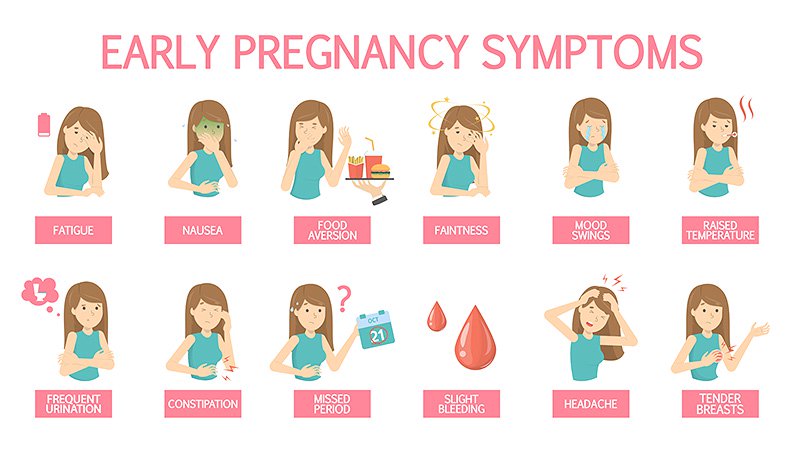
In the first weeks, you might feel unusually tired, even if you’re getting plenty of rest. Nausea—often called morning sickness (though it can strike anytime)—is another frequent visitor, along with tender or swollen breasts and more visible veins or darker nipples.

Many women also notice frequent trips to the bathroom as the growing uterus presses on the bladder, unusual food cravings or aversions, and mood swings driven by shifting hormones. Light spotting or mild cramping can occur too, as the embryo implants.

A Missed Period: The Classic Clue

For many, the first real hint is a late or missed period. It’s one of the most reliable early signs, but it’s not foolproof—stress, weight changes, or illness can also delay your cycle.
Am I Pregnant? Early Signs of Pregnancy | First Response™

The Most Common Early Symptoms

In the first weeks, you might feel unusually tired, even if you’re getting plenty of rest. Nausea—often called morning sickness (though it can strike anytime)—is another frequent visitor, along with tender or swollen breasts and more visible veins or darker nipples.

Many women also notice frequent trips to the bathroom as the growing uterus presses on the bladder, unusual food cravings or aversions, and mood swings driven by shifting hormones. Light spotting or mild cramping can occur too, as the embryo implants.

If you’re planning a baby, read our complete guide on how to get pregnant naturally.

A Missed Period: The Classic Clue

For many, the first real hint is a late or missed period. It’s one of the most reliable early signs, but it’s not foolproof—stress, weight changes, or illness can also delay your cycle.

Many women notice early signs of pregnancy such as nausea, fatigue, and breast tenderness within the first few weeks.

Emotional Ups and Downs

Hormonal shifts can bring on mood swings, irritability, or even feelings of anxiety. It’s completely normal, but don’t hesitate to lean on loved ones or talk to a healthcare provider if emotions feel overwhelming.

When Do Symptoms Start—and Can You Have None?

Symptoms can appear as early as a week or two after conception, but for most, they become noticeable around the time of a missed period. Some women sail through the first weeks with no obvious signs at all—that doesn’t mean you’re not pregnant. It’s just your body’s unique way of handling the changes.

PMS or Pregnancy? How to Tell the Difference

Some symptoms overlap with premenstrual syndrome (PMS)—think bloating, breast tenderness, or cramps. But nausea, extreme fatigue, or a positive pregnancy test are stronger clues pointing toward pregnancy. Heavy bleeding is more typical of a period than early pregnancy (where any spotting is usually light).

If you experience these early signs of pregnancy, it’s a good idea to take a pregnancy test or consult a doctor.


Journey of Adoption

The Beautiful Journey of Adoption: Creating Families Built on Love.

How to adopt a child in India is a common question for couples and single parents looking to grow their family through legal adoption.

Welcoming a child through adoption is one of the most heartfelt ways to build a family. It’s a path filled with patience, hope, and immense joy as you open your home and heart to a new member. Adoption isn’t just about paperwork—it’s about forming unbreakable bonds and creating lifelong memories rooted in love and commitment.

Bonding with Your Baby | Adoptive Families

A Brief Look at Adoption Through the Ages

Adoption has deep historical roots. In ancient Rome, it was a practical way for noble families to secure heirs and preserve wealth, allowing childless men to adopt sons. This practice continued in various forms through the centuries, though it faced restrictions in the Middle Ages when bloodlines became paramount for inheritance.

Understanding the adoption eligibility criteria is the first step for parents who want to adopt a child legally in India.

By the 19th century, the focus shifted toward the child’s well-being. The 1851 Massachusetts Adoption of Children Act was a landmark law, ensuring adopted children received proper care and legal protections. Over time, adoption evolved into a child-centered process, with modern laws prioritizing safety, stability, and family unity.

You may also read our guide on early pregnancy symptoms here:

Adoption Today: A Growing Path to Parenthood

In recent years, adoption has become more supported and streamlined, with agencies and resources helping families every step of the way. In the U.S. alone, hundreds of thousands of children find permanent homes each year through domestic and international adoptions.

International adoptions bring unique considerations, like honoring a child’s cultural heritage and navigating different countries’ laws. Many follow guidelines from the Hague Adoption Convention to ensure ethical, transparent processes that protect everyone involved.

Understanding how to adopt a child in India can help parents complete the procedure smoothly through CARA.

Adopting Infants, Toddlers, or Older Children

Adoption comes in many forms. Some families welcome newborns or toddlers, while others open their hearts to older children or teens, often transitioning from foster care. Adopting an older child requires understanding their background and needs, but it can lead to profoundly rewarding connections.

No matter the age, every adoption story is unique—driven by a desire to provide stability, overcome infertility, or simply share love. Families come together through choice, building traditions and creating a sense of belonging that transcends biology.

The Early Days: Adjusting and Bonding

The first months can bring adjustments as everyone settles into new routines. Questions about differences in appearance, cultural backgrounds, or past experiences may arise, especially in transracial or international adoptions. Patience and open conversations help—these are natural stepping stones toward a strong family foundation.

With time, the bond deepens through everyday moments: shared meals, bedtime stories, playtime, and celebrations. Support from adoption communities, counselors, and resources makes the transition smoother.

Family, Adoption and Love with a Mother, Father and Foster Child Together on Living Room Couch for Fun, Happiness and Stock Image - Image of child, mother: 261181183

Adoption is a testament to the power of love—it shows that families are built on care, commitment, and connection, not just shared DNA. Whether you’re just starting the process or already cherishing your adopted child, this journey is one of resilience and endless reward. Celebrate the love that brought you together, and embrace the beautiful life you’re creating as a family.

Following the correct steps is important when learning how to adopt a child in India legally and safely.

Single Parenting Tips & Advice for Moms & Dads | MomSaathi

These single-parenting tips will help moms and dads raise children confidently while managing daily responsibilities.

Single parenting is a unique journey—one that comes with its share of challenges but also incredible rewards. Millions of families around the world are led by one dedicated parent, proving every day that love, resilience, and determination can create a nurturing home. If you’re navigating this path, know that you’re building something special, and with the right mindset and support, you and your children can flourish.

Embracing the Challenges and Joys

Single parenting isn’t always easy. Juggling work, finances, household duties, and emotional needs can feel overwhelming at times. You might worry about giving your child everything they need or battle moments of loneliness. Yet, these very challenges often forge incredible strength. You become a master multitasker, fiercely independent, and a role model of perseverance. Your child sees firsthand what resilience looks like—and that’s a powerful gift.

Balancing Work and Parenting Duties as a Single Parent - Single Parent Support Network

The Positive Impact on Your Child

Children in single-parent homes often grow up with a strong sense of responsibility and independence. They learn to pitch in around the house, mature a bit faster, and develop empathy from seeing your hard work. With your undivided attention, they get space to explore their interests fully and build a close, trusting bond with you. Many thrive, becoming confident and capable individuals who admire your strength.

Chores for Children According to Age - Single Mother Survival Guide

Making Quality Time Count

In a busy single-parent routine, intentional moments together are everything. Whether it’s chatting during dinner, reading at bedtime, or playing outdoors, these connections strengthen your relationship. If you have multiple kids, carve out one-on-one time for each—simple things like a walk or a shared hobby make them feel truly seen and valued.

One of the best single-parenting tips is to build a strong support system for both parent and child.

Parenting Journey Links

Don’t Forget Self-Care

You pour so much into your family—it’s essential to recharge yourself too. Even small rituals, like a quiet morning coffee with a book or a short walk, can make a big difference. Prioritizing your well-being isn’t selfish; it helps you show up as your best self for your kids.

UNICEF provides helpful parenting guidance and emotional support for families: UNICEF Parenting Resources.

[fc-walking-test]

Building a Support Network

Loneliness can creep in, especially with a packed schedule. Reach out—connect with other single parents in your community, join online groups, or lean on friends and family. Sharing experiences, swapping tips, and just venting to someone who gets it can lighten the load. Over time, this network becomes your village, and it opens doors to new friendships (or even dating when you’re ready).

Single parenting is a testament to your courage and love. The bond you share with your child is deep and unbreakable, built on open communication and shared experiences. Celebrate your wins, big and small—you’re raising resilient, caring kids while becoming an even stronger version of yourself. You’ve got this, and brighter days are always ahead.

Following these single-parenting tips can make life easier and help you create a happy home environment.

Parenthood

Welcome to Parenthood: A Heartfelt Guide for New Parents

MomSaathi provides trusted pregnancy and parenting tips to support moms and families through every stage of motherhood, from pregnancy symptoms to raising happy children.

Congratulations on your new arrival! Becoming a parent is one of life’s most transformative adventures—full of joy, wonder, and a few challenges along the way. Whether you’re navigating those first sleepless nights or planning a celebration before baby arrives, you’re not alone. This guide offers practical tips, encouragement, and inspiration to help you feel supported and confident every step of the way.

How to Play With Your Newborn to Boost Development

Pregnancy and Parenting Tips for Every Stage of Motherhood

Getting Started: Essential Tips for the Early Days

The newborn phase is all about bonding, feeding, and adjusting to your new routine. Breastfeeding, in particular, is a special journey that provides unmatched nutrition and builds your baby’s immune system with natural antibodies. It’s a skill that takes time to master—focus on finding comfortable positions, watching for hunger cues (like rooting or sucking on fists), and staying patient as your supply adjusts to your baby’s needs.

Practical advice can make a big difference: soothe a fussy baby with skin-to-skin contact, gentle rocking, or white noise; establish flexible sleep routines early; and don’t hesitate to ask for help. Every family is different, so trust your instincts while leaning on reliable guidance for feeding, sleep, and building that deep connection with your little one.

For expert child health and parenting guidance, visit UNICEF Parenting Resources.

[fc-blood-type]

Cherishing Every Moment

Time flies in parenthood—one day they’re tiny newborns, the next they’re taking first steps and saying their first words. Savor the small milestones: those midnight cuddles, gummy smiles, and tiny hands wrapped around your finger. Parenting truly takes a village, and surrounding yourself with support—from family, friends, or online communities—makes the journey richer and less overwhelming.

Explore our helpful guides:

Celebrating with a Baby Shower

A baby shower is a beautiful way to honor the parents-to-be and welcome the new addition with love and excitement. From themes and invitations to decorations and activities, there are endless ways to make it memorable.

Decorations that set the mood: Think soft balloons, themed banners, fresh flowers, and cozy seating areas that reflect your style—whether it’s whimsical, modern, or classic.

Fun Games to keep everyone laughing: Classics like baby bingo, guess-the-baby-food, or a lighthearted diaper-changing relay bring guests together and create joyful memories.

Thoughtful Gifts: Practical items like onesies, swaddles, diapers, or keepsakes paired with heartfelt notes mean the world to new parents.

10 Cutest Baby Shower Gift Wrapping Ideas Mom-To-Be Will Love

Gather loved ones for an afternoon of laughter, stories, and anticipation—it’s a celebration of the beautiful chapter ahead.

Parenthood is a remarkable ride filled with love and discovery. Embrace the highs and lows, lean on your support network, and know that you’re doing an incredible job. Here’s to the laughter, the cuddles, and all the wonderful moments to come

Toddler Safety

Keeping Your Toddler Safe: Essential Tips for Curious Explorers

Toddlers see the world as one big adventure—every corner hides something new and exciting to discover. Their boundless energy and endless questions are signs they’re learning and growing fast. But with all that exploration comes the need for smart safety measures. As parents and caregivers, our goal is to let them roam freely while keeping risks at bay, creating a secure space where they can thrive.

Why Your Toddler Only Wants Mom And What to Do About It - Today's Parent

A Safe Home for Little Adventurers

The toddler years are all about movement and discovery, which means your home needs to be a safe haven. Simple steps like securing cabinets, covering outlets, anchoring furniture, and using safety gates can prevent common accidents. Always keep small objects, cleaning supplies, and medications out of reach. Supervision is key—stay close as they climb, open drawers, or investigate new spots.

Tips on how to Childproof your Kitchen | South Africa
Tips on how to Childproof your Kitchen

Fun and Safe Outdoor Play

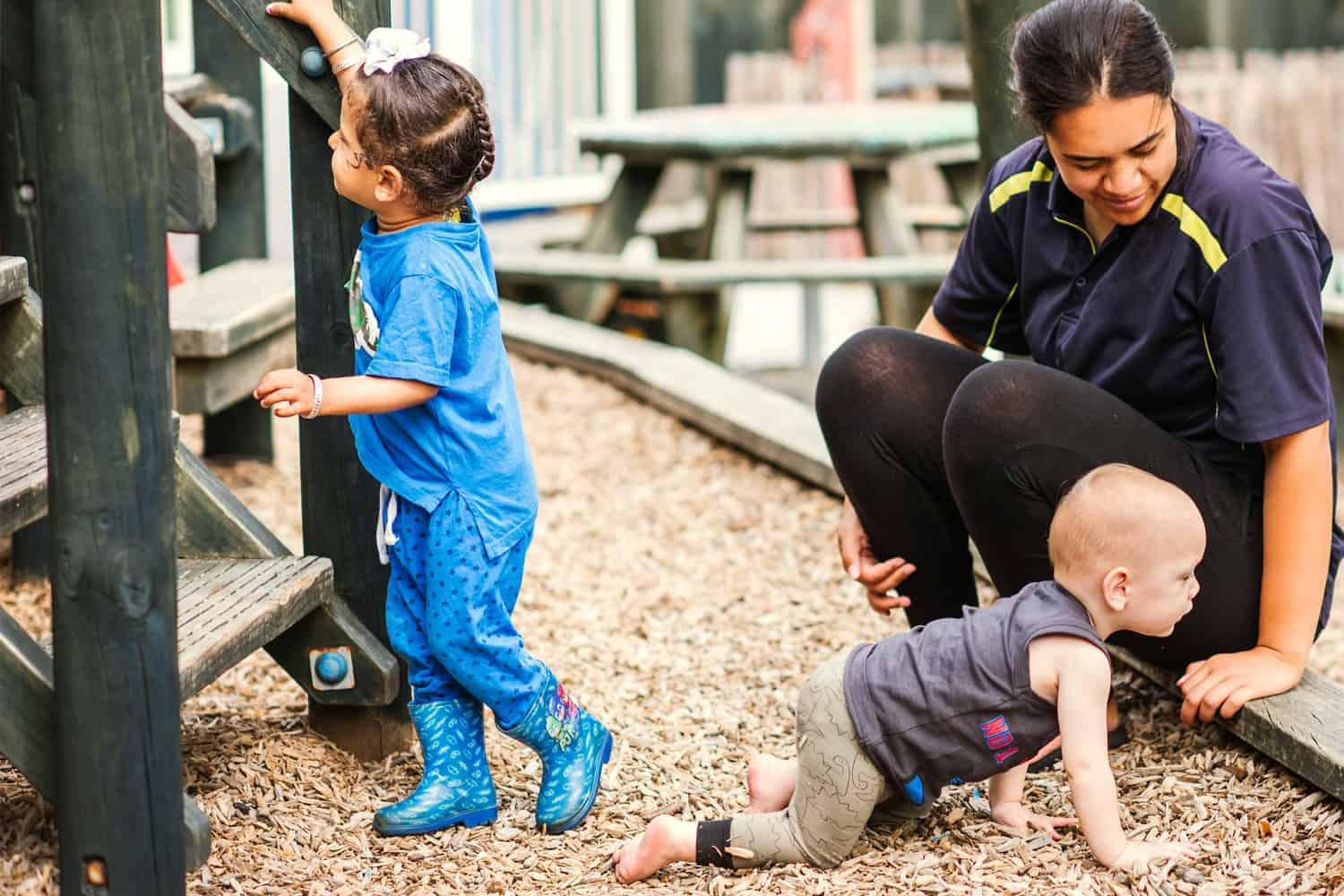
Playgrounds and backyards are perfect for burning energy, but active toddlers can easily tumble or wander. Choose age-appropriate equipment, check for soft landing surfaces, and always supervise closely. Teach basic rules like holding hands near streets and wearing helmets on rides. Outdoor time builds confidence and coordination—just pair it with watchful eyes.

Child Supervision Skills For Adults in Early Childhood Education Services

Balancing Screen Time in a Digital World

Screens are everywhere, but too much TV or tablet time can affect sleep, focus, and development in young children. Experts recommend limiting screens for toddlers and choosing high-quality, interactive content when you do use them. Prioritize hands-on play, reading, and real-world interactions instead—they’re far better for growing minds.

I made my screen-addicted kids go cold turkey—here's what happened - Today's Parent
I made my screen-addicted kids go cold turkey—here’s what happened – Today’s Parent

Nutrition, Hydration, and Common Concerns

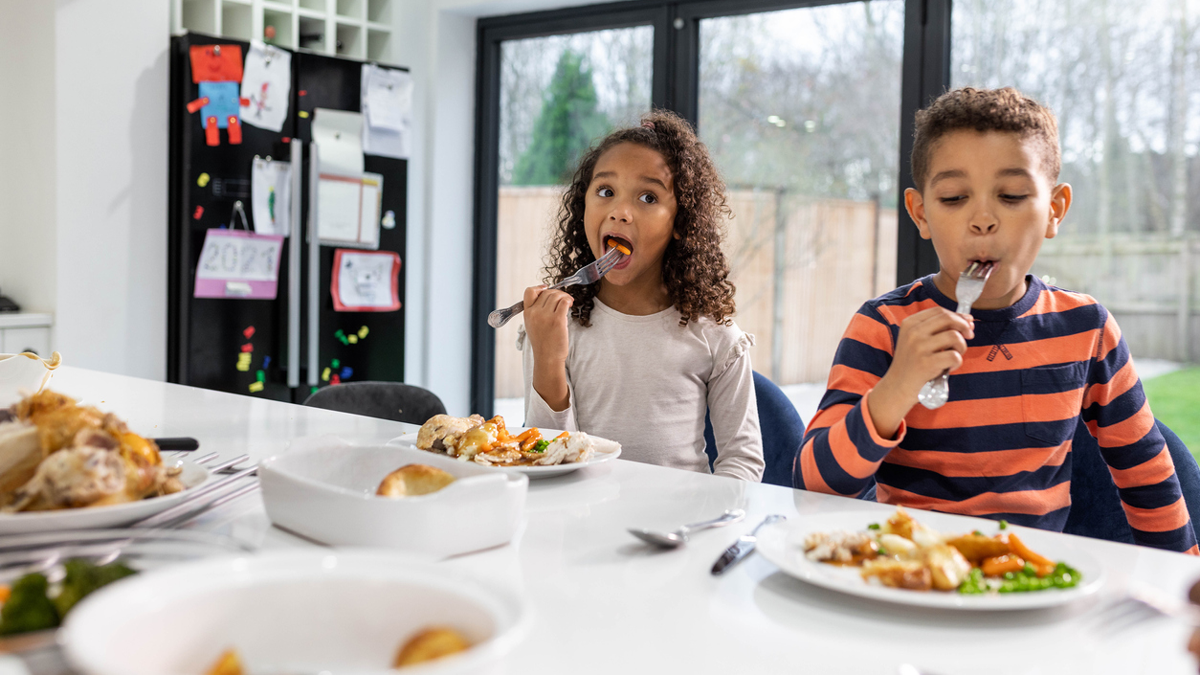
Good habits around food and drink support your toddler’s energy and growth. If appetite dips (which is common during growth spurts or teething), offer a variety of nutritious options without pressure. Stay on top of hydration—toddlers need plenty of water throughout the day, especially when active. Watch for minor issues like toddler acne or changes in eating, and chat with your pediatrician if something seems off.

How to Get Kids to Eat Healthy Food & Other Meal Tricks

Every toddler is unique, so tailor safety steps to your child’s personality and your home setup. Stay informed, trust your instincts, and enjoy this lively stage. With a little preparation and lots of love, you can give your little explorer the freedom to discover the world safely.

Baby’s Health

Caring for Your Baby’s Health: A Parent’s Essential Guide from Newborn Days to Toddlerhood

Nothing matters more to you than your baby’s health and happiness. From those first precious moments after birth through the early toddler years, every parent wants to feel confident and prepared. This comprehensive guide offers practical, trustworthy advice to support you every step of the way.

8 Signs of a Healthy Baby
The First Days: Starting Strong at Birth

Your baby’s health journey begins right in the delivery room. Most newborns receive a vitamin K shot shortly after birth to support healthy blood clotting, along with initial screenings.

Regular well-baby checkups in the first weeks and months are essential. Your pediatrician will monitor growth, check important reflexes that reveal how your baby’s nervous system is developing, and spot any early issues—like newborn jaundice—before they grow.

Pediatrician: Building Relationship | Newport Children
Pediatrician: Building Relationship

Everyday Questions and Common Concerns

As a new parent, you’ll have countless questions—and that’s perfectly normal! Many center on feeding (whether breastfeeding or formula) and handling daily challenges like burping your baby or soothing colic—those intense crying spells that often peak around 6 weeks.

You’ll also learn gentle techniques to navigate those early, sleep-deprived days with confidence.

20 Breastfeeding Tips Every New Parent Should Know

Hitting Those Exciting Milestones

Around six months, the fun really ramps up: first social smiles, babbling, sitting up, and starting solid foods. Stay tuned to your baby’s hunger and fullness cues for steady growth, and introduce new textures safely as they learn to chew and swallow.

Simple choices, like using gentle detergents for baby clothes or knowing when to call the doctor for a fever, become part of your routine.

Learn more baby care tips for feeding, sleep, and health.

Baby's First Steps: Walking and Other Milestones | Lovevery
Baby’s First Steps: Walking and Other Milestones

Building a Healthy Foundation

Strong habits now—regular checkups, responsive feeding, safe sleep, and lots of cuddles—help your baby thrive physically and emotionally well into toddlerhood and beyond.

Parenting a newborn is a whirlwind of joy, exhaustion, and love. You’re doing an amazing job, and with the right support and information, you’ll feel empowered every step of the way. If you know a new parent who could use this guide, share it with them—they’ll thank you for the helping hand!

Child Food

Baby Care Trends India 2026 – Natural, Eco-Friendly & Smart Choices for New Parents

Momsaathi.com provides content for informational and educational purposes only. It is not intended to serve as a substitute for professional medical advice, diagnosis, or treatment. Always consult your pediatrician or healthcare provider before trying new baby products, especially for newborns with sensitive skin or allergies.

Baby care trends India 2026 are moving toward more intentional and sustainable choices. In 2026, new parents in Karnataka and across India are prioritizing toxin-free skincare, breathable eco-friendly diapers, low-screen smart gear, and gentle hygiene — while blending traditional practices (like warm oil massages) with modern safety standards.

The Indian baby care market is booming in 2026 — driven by rising awareness of infant skin sensitivity, urban pollution, and eco-consciousness. Below are the top baby care trends India 2026 that moms and dads are loving right now — practical, relatable, and perfect for Indian homes.

1. Natural & Toxin-Free Skincare Leads Baby Care Trends India 2026

Parents are avoiding harsh chemicals and choosing plant-based formulas.

Key highlights:

  • Paraben-free, sulfate-free, fragrance-free lotions, shampoos, oils
  • Ingredients like aloe vera, calendula, coconut, neem, turmeric
  • pH-balanced, dermatologically tested, hypoallergenic options

Why it’s trending: High concern over rashes, allergies, and long-term skin health in humid/dry Indian climates and city pollution. Practical tip: Start with a simple routine — mild tear-free wash + natural moisturizer after bath. Karnataka note: Coconut-based or local herbal blends work best in our tropical weather.

2. Eco-Friendly & Biodegradable Essentials Are Rising Fast

Sustainability is now mainstream for 2026 parents.

Top choices:

  • Plant-based/biodegradable diapers
  • Organic cotton clothes, bedding, reusable cloth alternatives
  • Non-toxic toys, eco-wipes

Why parents love it: Verifiable eco-claims, reduced waste, and skin-friendly materials align with health + planet values. Indian context: Many families blend tradition (cloth nappies in joint homes) with convenient biodegradable options. Budget tip: Start with essentials like organic onesies or plant-based wipes — affordable swaps.

3. Smart, Low-Screen & Intentional Tech Supports Calm Parenting

Tech helps parents without overwhelming babies.

Trending gear:

  • “Invisible” smart monitors (subtle alerts, minimal screens)
  • Interactive non-glowing toys/walkers for motor skills
  • Soothing devices (white noise, gentle vibrations)

Why it’s popular: Balances convenience (for working moms in Bengaluru) with developmental play and reduced screen exposure. For families: Great for busy commutes — calming car seats or monitors that let you focus on bonding.

4. Hygiene & Rash Prevention Focus – Gentle & Effective

Daily care emphasizes gentleness and protection.

Hot items:

  • Mild, tear-free shampoos/body washes
  • Natural barrier rash creams
  • Baby-safe sunscreens, soft brushes, nail clippers

Trend driver: Infection prevention, fragrance-free formulas for sensitive eyes/skin. Routine idea: Warm bath, pat dry, apply gentle lotion/oil — avoid overwashing to preserve natural skin barrier.

5. Feeding & Nutrition: Safe, Ergonomic & Gut-Friendly

Parents prioritize ease and health.

Favorites:

  • BPA-free/anti-colic bottles
  • Silicone feeding sets
  • Baby food steamers/makers
  • Probiotic-enriched options

Rising: Breast pump accessories and no-added-sugar nutrition for gut health.

Overcoming Real Indian Parenting Challenges in 2026

  • Budget: Premium organic items add up — start with high-impact products (skincare/diapers).
  • Overwhelm: Filter family advice with pediatrician input.
  • Online shopping boom: Two-thirds of urban parents buy via e-commerce — check reviews and certifications.

Your Quick 2026 Baby Care Action Plan

  1. Switch to natural moisturizer or eco-diapers this week.
  2. Build a gentle routine: bath, massage, feed, bond.
  3. Research certifications for peace of mind.

These baby care trends India 2026 empower you to choose confidently for a healthier, happier baby.

What’s one baby care trend you’re excited about? Share in the comments — let’s help each other, Karnataka moms!

Related Articles on Momsaathi.com:

External Resources:

Child Development Milestones & Growth Tips for Kids

At some point, every parent thinks, “Is my child growing up the right way?” Every stage, from a baby’s first smile to their first day of school, feels important and sometimes too much.

It’s not enough to just keep track of your child’s milestones; you also need to help them grow in the best way possible in terms of their body, mind, and feelings.

This journey is different for Indian parents because of the mix of traditions, expectations, and modern influences. This guide will explain everything you need to know about how children grow and change in a clear and useful way.

What is child development?

Child development is the growth that happens from birth to adolescence in the areas of physical, mental, emotional, and social health.

It talks about how kids:

  • Think and learn
  • Get up and move
  • Talk to each other
  • Make connections

Every child grows at their own pace, but there are some general milestones that can help you keep track of their progress.

Stages of Child Development

1. Infancy (0–2 Years)

This is the stage of fastest growth.

Important Changes:

  • Recognising parents
  • Crawling and walking
  • First words
  • Emotional bond

👉 Parents are very important because they bond with and care for their children.

2. Early Childhood (2 to 6 Years)

This is the first step in learning and behaviour.

Important Changes:

  • Language growth
  • Questions and curiosity
  • Basic social skills
  • Play and imagination

👉 Kids learn best when they play and talk to each other.

3. Middle Childhood (6 to 12 Years)

School years help you learn new things and build your confidence.

Important Changes:

  • Thinking logically
  • Skills for school
  • Friendships and self-esteem

👉 Here, support and encouragement are very important.

4. Teen years (12–18)

A time of big changes in both your body and your mind.

Important Changes:

  • Making an identity
  • Being emotionally independent
  • Influence from peers
  • Skills for making decisions

👉 Communication is very important.

Key Areas of Child Development

1. Growth and Development

  • Getting taller and heavier
  • Motor skills (like running and writing)

2. Development of the Mind

  • Figuring things out and thinking
  • Learning and remembering

3. Growth in Emotions

  • Comprehending emotions
  • Getting more confident

4. Growth in social skills

  • Making friends
  • Learning to work together

🇮🇳 Child Development in India

Child development in India is affected by:

Cultural Elements:

  • Respect for older people
  • Family participation (extended families)
  • Focus on schoolwork

Modern Influences:

  • Digital exposure
  • Different ways to parent
  • Competitive education system

👉 Indian parents often try to find a balance between old and new ways of parenting.

Things that affect a child’s growth

Many things affect how a child grows:

  • Food—A healthy diet helps you grow.
  • Environment: Safe and helpful places to be
  • Parenting style: how it affects emotional and behavioural growth
  • Schooling—opportunities to learn
  • Health—both physical and mental well-being

Tips for Parents

Here are some easy ways to help your child grow:

  • ✔ Spend quality time together every day
  • ✔ Encourage questions and curiosity
  • ✔ Give them a balanced diet
  • ✔ Limit their screen time
  • ✔ Appreciate their effort, not just their results
  • ✔ Make a routine

Things to Avoid

  • ❌ Comparing your child to others
  • ❌ Ignoring their emotional needs
  • ❌ Giving them too much homework
  • ❌ Not talking to them
  • ❌ Letting them watch too much TV

External Resources

 FAQs

1. What are the main stages of child development?

Infancy, early childhood, middle childhood, and adolescence.

2. How can parents support child development?

Through love, guidance, proper nutrition, and communication.

3. What affects child development the most?

Parenting style, environment, and education.

4. Is every child’s development the same?

No, each child develops at their own pace.

5. When should parents be concerned?

If there are major delays in speech, movement, or behaviour.

Key Takeaways

  • Child development includes physical, emotional, and cognitive growth
  • Every child develops differently
  • Parents play the most important role
  • Balance between academics and emotional well-being is key
  • Early support leads to better future outcomes

Conclusion

Child development is a journey, not a race. Every child grows in their own unique way, and as parents, your role is to guide, support, and nurture.

In the end, it’s not about raising a perfect child—it’s about raising a happy, confident, and kind human being.

How To Get Pregnant

How to Get Pregnant Fast Naturally – India Guide 2026

Momsaathi.com provides content for informational and educational purposes only. It is not intended to serve as a substitute for professional medical advice, diagnosis, or treatment. Always consult a gynecologist, fertility specialist or reproductive endocrinologist before making changes to your health routine when trying to conceive.

The journey to motherhood is one of the most beautiful experiences a woman can have — and many Indian couples want to know how to get pregnant fast and naturally. While conception can take time (most healthy couples conceive within 6–12 months of regular unprotected sex), staying patient, calm, and proactive makes all the difference.

This 2026 guide for Indian couples covers ovulation tracking, best timing, lifestyle & diet changes, common myths, and when to seek help — all tailored for Indian families.

1. Understand Your Menstrual Cycle & Fertile Window

Most women have a cycle of 28–32 days (though 21–35 days is normal). Ovulation — when the egg is released — usually happens 12–16 days before your next period. This creates a fertile window of about 5–6 days (sperm can live 3–5 days inside, egg survives ~24 hours).

How to track ovulation in India:

  • Calendar method: Mark your period dates for 3–6 months
  • Basal Body Temperature (BBT): Slight rise (0.5–1°F) after ovulation
  • Cervical mucus: Becomes clear, stretchy, egg-white like near ovulation
  • Ovulation predictor kits (OPKs): Available at any pharmacy (₹300–800) — test daily from day 10
  • Apps: Flo, Clue, Ovia, or Indian apps like Maya — many moms use these

Tip: Have intercourse every 1–2 days during the fertile window (days 10–18 in a 28-day cycle) for best chances.

2. Optimize Diet & Nutrition for Fertility (Indian Superfoods)

A balanced diet supports egg quality, hormone balance, and sperm health.

Foods to eat regularly:

  • Iron-rich: Jaggery, dates, beetroot, pomegranate, spinach, ragi
  • Folate/folic acid: Dal, palak, methi, oranges, guava
  • Omega-3 & healthy fats: Walnuts, flaxseeds (alsi), fish (low-mercury), ghee (moderate)
  • Antioxidants: Amla, berries, tomatoes, nuts
  • Protein: Dal, paneer, eggs, sprouts, chicken/fish

Foods to limit or avoid:

  • Excessive sugar, processed food, trans fats
  • High-mercury fish
  • Too much caffeine (>200 mg/day ≈ 1–2 cups coffee)

Desi fertility boosters (doctor-approved):

  • Shatavari powder (1 tsp in warm milk) – supports female hormones
  • Ashwagandha (for stress & male fertility)
  • Methi laddoo or seeds soaked overnight

Take prenatal folic acid (400–800 mcg) 3 months before trying — reduces birth defect risk.

3. Lifestyle Changes That Help You Get Pregnant Faster

Both partners matter — fertility is 50/50.

For women:

  • Maintain healthy BMI (18.5–24.9) — under/over weight affects ovulation
  • Moderate exercise (walking, prenatal yoga, swimming) — 150 min/week
  • Reduce stress (meditation, family time, hobbies)
  • Avoid smoking, alcohol, recreational drugs

For men:

  • Avoid tight underwear/hot baths (heat lowers sperm count)
  • Eat zinc-rich foods (pumpkin seeds, nuts, dal)
  • Quit smoking & limit alcohol
  • Exercise moderately — no excessive cycling/gym stress

Couple tips:

  • Have intercourse every 1–2 days during fertile window
  • Avoid lubricants that kill sperm (use fertility-friendly ones like Pre-Seed if needed)
  • Sleep 7–9 hours — poor sleep lowers fertility hormones

4. Common Myths About How to Get Pregnant in India

  • Myth: “Stay upside down after sex” → Fact: Gravity doesn’t affect sperm travel — lie flat 10–15 min is enough
  • Myth: “Don’t eat cold foods/curd” → Fact: Pasteurized curd is safe & calcium-rich
  • Myth: “Conceive only on even/odd days” → Fact: Timing is based on ovulation, not calendar luck
  • Myth: “Stress has no effect” → Fact: Chronic stress raises cortisol — lowers fertility

5. When & Where to Get Help in India (2026)

Most healthy couples conceive within 12 months (under 35) or 6 months (35+). Seek help if:

  • Under 35 → no pregnancy after 12 months
  • 35–40 → no pregnancy after 6 months
  • Over 40 → see specialist sooner
  • Known issues: PCOS, irregular cycles, endometriosis, low sperm count, previous miscarriages

Where to go in India:

  • Government hospitals (free/low-cost) – AIIMS, Lady Hardinge, government medical colleges
  • Private fertility clinics (Nova IVF, Cloudnine, Manipal, Fortis)
  • Tests: AMH, semen analysis, HSG, thyroid, blood sugar, ultrasound
  • Free camps: Many states have infertility camps under NHM

Final Encouragement for Indian Couples

Learning how to get pregnant naturally takes patience, teamwork, and self-care. Track ovulation, eat nourishing desi foods, reduce stress, and enjoy the journey together. Most couples succeed — and when they don’t, help is available.

What’s one change you’re making this month to boost fertility? Share in the comments — let’s support each other, Karnataka moms and couples!

Related Articles on Momsaathi.com:

External Resources: