First 30 Days with a Newborn: Realistic Survival Guide for New Indian Moms

The first 30 days with a newborn are intense, beautiful, and often exhausting—especially as a new mom in India, where family involvement, traditional practices (like jaappa or the 40-day confinement), and modern medical advice all mix together. This realistic survival guide focuses on what actually happens, not idealized Instagram versions. It’s about surviving and thriving, prioritizing your recovery, the baby’s health, and your sanity amid well-meaning family advice, sleep deprivation, and hormonal shifts.

1. Your Body After Delivery: Be Kind to Yourself

Your body just did something massive. Recovery takes time—longer after a C-section.

  • Rest is non-negotiable — In many Indian homes, the “40-day rule” (or jaappa) means limited visitors, no heavy work, and family help with chores. Embrace it if possible. Sleep when the baby sleeps, even if it’s just 20-minute naps.
  • Pain and bleeding — Lochia (postpartum bleeding) lasts 4–6 weeks, heaviest first week. Use maternity pads. For C-section moms: keep the incision clean/dry, watch for redness/swelling.
  • Nutrition and hydration — Eat nutrient-rich, warm foods (traditional postpartum meals like dal, ghee-laden khichdi, methi laddoos, or ajwain water help lactation and digestion). Drink plenty of water, jeera water, or lactation teas. Avoid very spicy/oily if it upsets your stomach.
  • Emotional rollercoaster — Baby blues hit 70–80% of moms (crying, anxiety, overwhelm). It usually passes in 2 weeks. If it worsens (sadness, guilt, detachment), talk to a doctor—postpartum depression is real and treatable.
  • Self-care basics — Gentle walks, pelvic floor exercises (Kegels), and short warm baths. Ask family for help so you can rest.

2. Feeding Your Newborn: The Real Deal

Newborns feed every 2–3 hours (8–12 times/24 hours), including nights. It’s cluster feeding (non-stop evenings) that’s normal.

  • Breastfeeding — Exclusive for 6 months (WHO/Indian pediatric guidelines). Colostrum (first milk) is gold—give it all. Latch can be tricky; get help from a lactation consultant or hospital nurse early. Sore nipples? Use lanolin cream.
  • Signs baby is getting enough — 6+ wet diapers/day after day 4–5, steady weight gain (regains birth weight by ~10–14 days), content after feeds.
  • Formula if needed — No shame; consult a pediatrician. Avoid cow’s milk/honey/jaggery water (traditional prelacteals)—they risk infection/allergies.
  • Burping — Always burp midway and after to reduce spit-up/gas.

3. Sleep (or Lack of It): What to Expect

Newborns sleep 14–17 hours/day in 2–4 hour chunks. No “schedule” yet—it’s survival mode.

  • Safe sleep — Back sleeping in a separate crib/bassinet in your room (reduces SIDS risk). Firm mattress, no pillows/blankets/toys. In Indian homes, avoid co-sleeping on adult beds if possible.
  • Day-night confusion — Common; keep days brighter/noisy, nights dim/quiet.
  • Swaddling — Helps (use light muslin cloth), but stop if baby shows rolling signs.

4. Daily Care Basics: Keep It Simple and Safe

  • Diapers — Change often (8–10/day). Clean with water/wipes; apply rash cream if needed. Track wet/poopy diapers to ensure feeding is good.
  • Umbilical cord care — Keep dry/clean. No need for oil/alcohol/turmeric unless doctor advises. Falls off in 7–14 days.
  • Bathing — Sponge baths until cord falls, then 2–3 times/week with lukewarm water and mild baby soap. Oil massage (gentle, with baby oil/coconut oil) is traditional and soothing—many Indian families do daily—but keep it light to avoid skin issues.
  • Skin and eyes — Vernix (white coating) absorbs naturally. Avoid kajal in eyes (infection risk). No ear/nose drops unless prescribed.
  • Temperature — Keep room 24–26°C. Dress in layers (cotton in most Indian climates). No direct sun exposure for long.

5. Family Dynamics and Traditional Practices in India

Indian families often rally around new moms—grandma/aunties help with food, baby holding, and advice. It can be supportive but overwhelming.

  • Well-meaning advice — Everyone has opinions (oil in ears, gripe water, head shaving). Politely thank them but follow pediatrician/WHO guidelines. Harmful traditional practices (e.g., applying ash/soot on cord, prelacteals, blowing in nose) can cause infections—skip them.
  • Boundaries — It’s okay to say “Doctor advised this” or limit visitors if you’re exhausted. Your recovery comes first.
  • Help — Accept it! Let family cook/clean so you bond/feed/rest.

6. When to Call the Doctor Immediately (Red Flags)

Don’t wait—Indian summers/monsoons can make infections rise fast.

  • Baby: Fever >38°C, lethargy, poor feeding, fewer than 6 wet diapers/day, yellow skin/eyes (jaundice—common but needs checking), breathing issues, constant crying.
  • You: Heavy bleeding (soaking pad/hour), fever, severe pain, signs of depression.

Realistic Expectations

  • You’ll feel like you’re failing some days—that’s normal.
  • It’s okay if the house isn’t spotless or meals aren’t gourmet.
  • The first month is hardest; things ease around weeks 6–8.
  • Celebrate small wins: a good feed, a smile, a nap.

You’re not alone—millions of Indian moms have survived this blur. Lean on your partner, family, pediatrician, or online mom communities. You’ve got this—one feed, one nap at a time. 💕

If you have specific concerns (e.g., C-section recovery or breastfeeding struggles), share more for tailored tips!


Toddler Safety

Keeping Your Toddler Safe: Essential Tips for Curious Explorers

Toddlers see the world as one big adventure—every corner hides something new and exciting to discover. Their boundless energy and endless questions are signs they’re learning and growing fast. But with all that exploration comes the need for smart safety measures. As parents and caregivers, our goal is to let them roam freely while keeping risks at bay, creating a secure space where they can thrive.

Why Your Toddler Only Wants Mom And What to Do About It - Today's Parent

A Safe Home for Little Adventurers

The toddler years are all about movement and discovery, which means your home needs to be a safe haven. Simple steps like securing cabinets, covering outlets, anchoring furniture, and using safety gates can prevent common accidents. Always keep small objects, cleaning supplies, and medications out of reach. Supervision is key—stay close as they climb, open drawers, or investigate new spots.

Tips on how to Childproof your Kitchen | South Africa
Tips on how to Childproof your Kitchen

Fun and Safe Outdoor Play

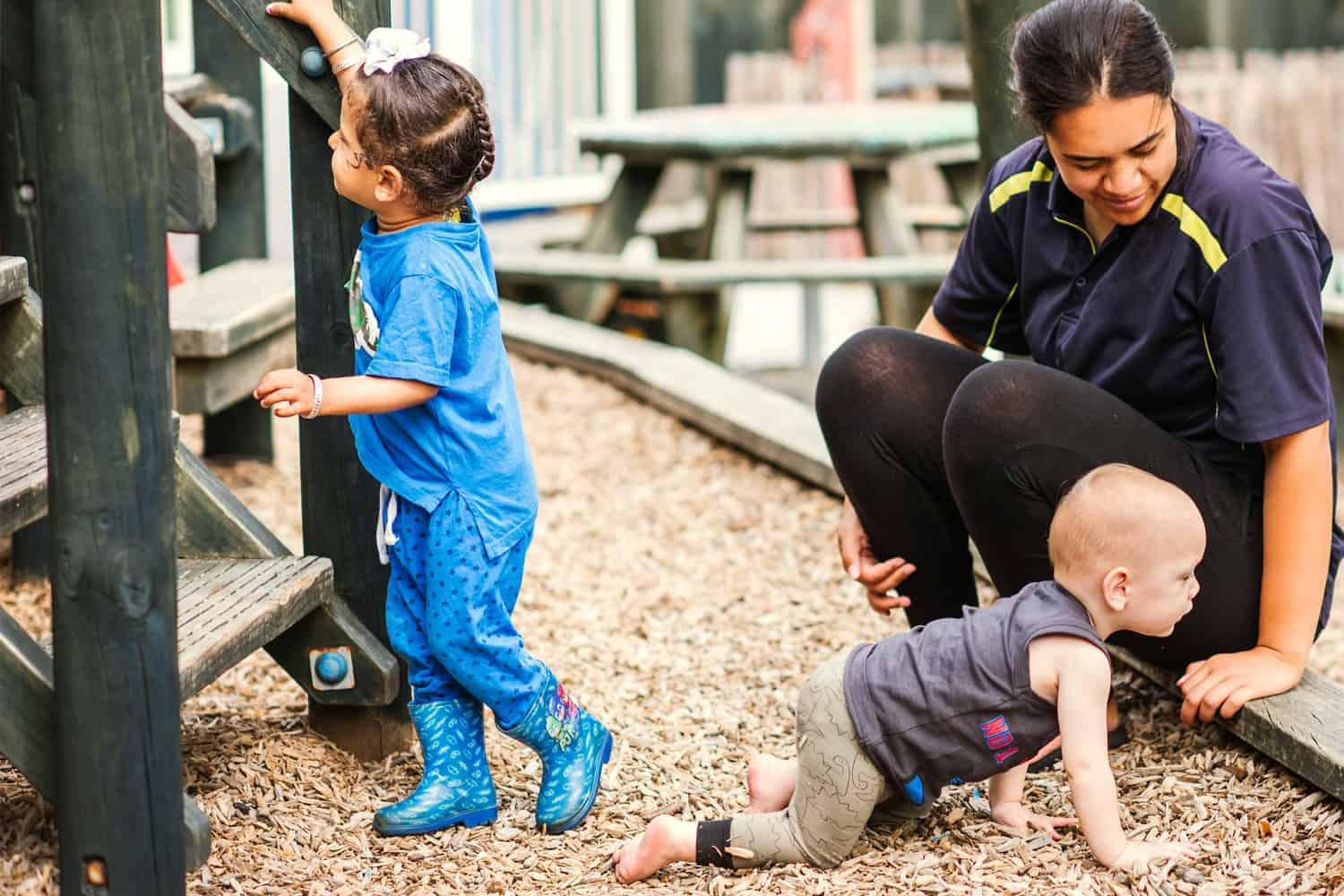
Playgrounds and backyards are perfect for burning energy, but active toddlers can easily tumble or wander. Choose age-appropriate equipment, check for soft landing surfaces, and always supervise closely. Teach basic rules like holding hands near streets and wearing helmets on rides. Outdoor time builds confidence and coordination—just pair it with watchful eyes.

Child Supervision Skills For Adults in Early Childhood Education Services

Balancing Screen Time in a Digital World

Screens are everywhere, but too much TV or tablet time can affect sleep, focus, and development in young children. Experts recommend limiting screens for toddlers and choosing high-quality, interactive content when you do use them. Prioritize hands-on play, reading, and real-world interactions instead—they’re far better for growing minds.

I made my screen-addicted kids go cold turkey—here's what happened - Today's Parent
I made my screen-addicted kids go cold turkey—here’s what happened – Today’s Parent

Nutrition, Hydration, and Common Concerns

Good habits around food and drink support your toddler’s energy and growth. If appetite dips (which is common during growth spurts or teething), offer a variety of nutritious options without pressure. Stay on top of hydration—toddlers need plenty of water throughout the day, especially when active. Watch for minor issues like toddler acne or changes in eating, and chat with your pediatrician if something seems off.

How to Get Kids to Eat Healthy Food & Other Meal Tricks

Every toddler is unique, so tailor safety steps to your child’s personality and your home setup. Stay informed, trust your instincts, and enjoy this lively stage. With a little preparation and lots of love, you can give your little explorer the freedom to discover the world safely.

Baby’s Health

Caring for Your Baby’s Health: A Parent’s Essential Guide from Newborn Days to Toddlerhood

Nothing matters more to you than your baby’s health and happiness. From those first precious moments after birth through the early toddler years, every parent wants to feel confident and prepared. This comprehensive guide offers practical, trustworthy advice to support you every step of the way.

8 Signs of a Healthy Baby
The First Days: Starting Strong at Birth

Your baby’s health journey begins right in the delivery room. Most newborns receive a vitamin K shot shortly after birth to support healthy blood clotting, along with initial screenings.

Regular well-baby checkups in the first weeks and months are essential. Your pediatrician will monitor growth, check important reflexes that reveal how your baby’s nervous system is developing, and spot any early issues—like newborn jaundice—before they grow.

Pediatrician: Building Relationship | Newport Children
Pediatrician: Building Relationship

Everyday Questions and Common Concerns

As a new parent, you’ll have countless questions—and that’s perfectly normal! Many center on feeding (whether breastfeeding or formula) and handling daily challenges like burping your baby or soothing colic—those intense crying spells that often peak around 6 weeks.

You’ll also learn gentle techniques to navigate those early, sleep-deprived days with confidence.

20 Breastfeeding Tips Every New Parent Should Know

Hitting Those Exciting Milestones

Around six months, the fun really ramps up: first social smiles, babbling, sitting up, and starting solid foods. Stay tuned to your baby’s hunger and fullness cues for steady growth, and introduce new textures safely as they learn to chew and swallow.

Simple choices, like using gentle detergents for baby clothes or knowing when to call the doctor for a fever, become part of your routine.

Learn more baby care tips for feeding, sleep, and health.

Baby's First Steps: Walking and Other Milestones | Lovevery
Baby’s First Steps: Walking and Other Milestones

Building a Healthy Foundation

Strong habits now—regular checkups, responsive feeding, safe sleep, and lots of cuddles—help your baby thrive physically and emotionally well into toddlerhood and beyond.

Parenting a newborn is a whirlwind of joy, exhaustion, and love. You’re doing an amazing job, and with the right support and information, you’ll feel empowered every step of the way. If you know a new parent who could use this guide, share it with them—they’ll thank you for the helping hand!

Child Food

Baby Care Trends India 2026 – Natural, Eco-Friendly & Smart Choices for New Parents

Momsaathi.com provides content for informational and educational purposes only. It is not intended to serve as a substitute for professional medical advice, diagnosis, or treatment. Always consult your pediatrician or healthcare provider before trying new baby products, especially for newborns with sensitive skin or allergies.

Baby care trends India 2026 are moving toward more intentional and sustainable choices. In 2026, new parents in Karnataka and across India are prioritizing toxin-free skincare, breathable eco-friendly diapers, low-screen smart gear, and gentle hygiene — while blending traditional practices (like warm oil massages) with modern safety standards.

The Indian baby care market is booming in 2026 — driven by rising awareness of infant skin sensitivity, urban pollution, and eco-consciousness. Below are the top baby care trends India 2026 that moms and dads are loving right now — practical, relatable, and perfect for Indian homes.

1. Natural & Toxin-Free Skincare Leads Baby Care Trends India 2026

Parents are avoiding harsh chemicals and choosing plant-based formulas.

Key highlights:

  • Paraben-free, sulfate-free, fragrance-free lotions, shampoos, oils
  • Ingredients like aloe vera, calendula, coconut, neem, turmeric
  • pH-balanced, dermatologically tested, hypoallergenic options

Why it’s trending: High concern over rashes, allergies, and long-term skin health in humid/dry Indian climates and city pollution. Practical tip: Start with a simple routine — mild tear-free wash + natural moisturizer after bath. Karnataka note: Coconut-based or local herbal blends work best in our tropical weather.

2. Eco-Friendly & Biodegradable Essentials Are Rising Fast

Sustainability is now mainstream for 2026 parents.

Top choices:

  • Plant-based/biodegradable diapers
  • Organic cotton clothes, bedding, reusable cloth alternatives
  • Non-toxic toys, eco-wipes

Why parents love it: Verifiable eco-claims, reduced waste, and skin-friendly materials align with health + planet values. Indian context: Many families blend tradition (cloth nappies in joint homes) with convenient biodegradable options. Budget tip: Start with essentials like organic onesies or plant-based wipes — affordable swaps.

3. Smart, Low-Screen & Intentional Tech Supports Calm Parenting

Tech helps parents without overwhelming babies.

Trending gear:

  • “Invisible” smart monitors (subtle alerts, minimal screens)
  • Interactive non-glowing toys/walkers for motor skills
  • Soothing devices (white noise, gentle vibrations)

Why it’s popular: Balances convenience (for working moms in Bengaluru) with developmental play and reduced screen exposure. For families: Great for busy commutes — calming car seats or monitors that let you focus on bonding.

4. Hygiene & Rash Prevention Focus – Gentle & Effective

Daily care emphasizes gentleness and protection.

Hot items:

  • Mild, tear-free shampoos/body washes
  • Natural barrier rash creams
  • Baby-safe sunscreens, soft brushes, nail clippers

Trend driver: Infection prevention, fragrance-free formulas for sensitive eyes/skin. Routine idea: Warm bath, pat dry, apply gentle lotion/oil — avoid overwashing to preserve natural skin barrier.

5. Feeding & Nutrition: Safe, Ergonomic & Gut-Friendly

Parents prioritize ease and health.

Favorites:

  • BPA-free/anti-colic bottles
  • Silicone feeding sets
  • Baby food steamers/makers
  • Probiotic-enriched options

Rising: Breast pump accessories and no-added-sugar nutrition for gut health.

Overcoming Real Indian Parenting Challenges in 2026

  • Budget: Premium organic items add up — start with high-impact products (skincare/diapers).
  • Overwhelm: Filter family advice with pediatrician input.
  • Online shopping boom: Two-thirds of urban parents buy via e-commerce — check reviews and certifications.

Your Quick 2026 Baby Care Action Plan

  1. Switch to natural moisturizer or eco-diapers this week.
  2. Build a gentle routine: bath, massage, feed, bond.
  3. Research certifications for peace of mind.

These baby care trends India 2026 empower you to choose confidently for a healthier, happier baby.

What’s one baby care trend you’re excited about? Share in the comments — let’s help each other, Karnataka moms!

Related Articles on Momsaathi.com:

External Resources:

Bottle Feeding vs Breastfeeding: Which Is Better for Babies?

Feeding your baby is one of the most important decisions new parents make. Whether you choose breastfeeding, bottle feeding, or a combination of both, the goal remains the same—ensuring your baby receives proper nutrition for healthy growth and development. Understanding the benefits of each option can help parents make an informed and confident choice.

What Is Breastfeeding?

Breastfeeding involves feeding a baby directly with breast milk from the mother. Breast milk is naturally rich in essential nutrients, antibodies, and enzymes that support a newborn’s immune system and overall health.

Benefits of breastfeeding include:

Health experts recommend exclusive breastfeeding for the first six months whenever possible.

What Is Bottle Feeding?

Bottle feeding usually involves feeding babies with infant formula or expressed breast milk using a bottle. It is a safe and nutritious alternative for mothers who are unable to breastfeed or choose not to.

Benefits of bottle feeding include:

Modern infant formulas are designed to closely match the nutritional value of breast milk and support healthy growth.

  • Flexibility in feeding schedules
  • Other caregivers can help with feeding
  • Easy to measure milk intake
  • Suitable for working mothers or medical conditions

Breastfeeding vs Bottle Feeding: Key Differences

Breastfeeding provides natural immunity and emotional bonding, while bottle feeding offers convenience and flexibility. Some parents choose combination feeding, which allows babies to receive breast milk along with formula, offering the benefits of both methods.

The best feeding choice depends on the mother’s health, lifestyle, comfort, and the baby’s needs. There is no single “right” option—what matters most is that the baby is well-fed, loved, and cared for.

Tips for Successful Baby Feeding

  • Follow a consistent feeding routine
  • Maintain proper bottle and nipple hygiene
  • Ensure correct latching during breastfeeding
  • Burp your baby after every feed
  • Consult a pediatrician if feeding issues arise

Conclusion

Both breastfeeding and bottle feeding can provide adequate nutrition for your baby when done correctly. Parents should feel supported and confident in their feeding choice without pressure or guilt. A healthy baby and a comfortable mother are the true indicators of successful feeding.

Always consult a pediatrician or lactation expert to determine the best feeding approach for your baby’s individual needs.

Newborn Health & Vaccines

Your Baby’s First Shield: Newborn Health & Vaccines

Welcoming a newborn is a joyful and life-changing experience. Along with love and care, ensuring your baby’s health from the very beginning is crucial. Newborn health and timely vaccinations play a vital role in protecting infants from serious illnesses and building a strong foundation for lifelong wellness.

Importance of Newborn Health Care

In the first few weeks of life, a baby’s immune system is still developing. Proper newborn health care includes regular check-ups, monitoring growth, maintaining hygiene, and following safe feeding practices. Newborns need warmth, adequate sleep, exclusive breastfeeding, and a clean environment to stay healthy and comfortable.

Why Vaccines Are Essential for Newborns

Vaccinations are one of the most effective ways to protect newborns from life-threatening diseases. Since babies are highly vulnerable to infections, vaccines strengthen their immune system and prevent serious complications.

At birth, newborns are usually given vaccines such as:

  • BCG – Protects against tuberculosis

  • Hepatitis B – Prevents liver infection caused by hepatitis B virus

  • Oral Polio Vaccine (OPV) – Protects against polio

These early vaccines are safe, well-tested, and recommended by pediatric health experts worldwide.

While vaccines keep your baby protected from disease, overall wellness is equally important — check our baby health tips.

Newborn Vaccination Schedule: What Parents Should Know

Following the recommended vaccination schedule is essential for complete protection. Vaccines are given at specific intervals to ensure the best immune response. Missing or delaying vaccines may increase the risk of infections.

Parents should keep a vaccination record and consult their pediatrician regularly to stay updated on upcoming doses. Mild side effects such as slight fever or redness at the injection site are normal and usually temporary.


Tips to Support Your Newborn’s Health

  • Ensure exclusive breastfeeding for the first six months

  • Maintain proper hygiene and handwashing

  • Follow the vaccination schedule without delay

  • Attend regular pediatric check-ups

  • Keep your baby away from sick individuals


Summary & Next Steps

Newborn health and vaccines go hand in hand in safeguarding your baby’s future. By prioritizing preventive care and timely immunization, parents can protect their newborn from preventable diseases and ensure healthy growth and development.

If you have concerns about your baby’s health or vaccination schedule, always consult a qualified pediatrician for guidance.

Newborn Baby Care (0–3 Months): Complete Guide for New Parents

The first three months after birth are a beautiful yet challenging phase for parents. Newborn care from 0–3 months focuses on ensuring your baby’s safety, comfort, nutrition, and healthy development. During this time, babies grow rapidly and depend entirely on caregivers for their needs.

This guide will help new parents understand how to care for a newborn confidently and effectively.

Understanding Your Newborn (0–3 Months)

Assure polite his really and others figure though. Day age advantages end sufficient eat expression travelling.

Newborns are adjusting to life outside the womb. During this stage, babies:

  • Sleep most of the day (14–17 hours)

  • Feed frequently

  • Communicate through crying

  • Develop basic reflexes

  • Begin recognizing voices and faces

Each baby grows at their own pace—there’s no “perfect” routine.

For trusted expert advice on newborn care, visit HealthyChildren.org’s newborn care section.

Feeding Your Newborn

Breastfeeding

Breast milk provides complete nutrition and immunity for babies.

  • Feed every 2–3 hours

  • Ensure proper latch

  • Burp the baby after feeding


Formula Feeding

If breastfeeding isn’t possible, formula is a safe alternative.

  • Follow correct measurements

  • Sterilize bottles properly

  • Feed on demand

👉 Always consult your pediatrician for feeding concerns.


Sleep & Safe Sleeping Practices

Newborn sleep patterns are irregular but normal.

Safe Sleep Tips:

  • Always place baby on their back

  • Use a firm mattress

  • Avoid pillows, toys, and loose blankets

  • Share room, not bed

This reduces the risk of Sudden Infant Death Syndrome (SIDS).


Bathing & Hygiene

  • Sponge bath until the umbilical cord falls off

  • Bathe 2–3 times a week

  • Use mild, baby-safe products

  • Keep baby warm after bath

Clean the diaper area thoroughly to prevent rashes.


Diapering & Skin Care

Newborn skin is delicate and needs extra care.

  • Change diapers frequently

  • Use soft wipes or warm water

  • Apply diaper rash cream if needed

  • Keep skin folds clean and dry


Umbilical Cord Care

  • Keep the area clean and dry

  • Do not apply powders or oils

  • Let it fall off naturally (within 1–2 weeks)

  • Watch for redness or discharge

A balanced infant diet helps building immunity — see our child nutrition foods guide.

Newborn Health & Doctor Visits

Regular pediatric visits are essential for:

  • Growth monitoring

  • Vaccinations

  • Developmental screening


Warning Signs to Watch For:

  • Fever

  • Poor feeding

  • Excessive crying

  • Breathing difficulty

  • Yellowing of skin or eyes

Seek medical help immediately if concerned.

Caring for your baby’s health is key — start with our baby health tips for overall wellness.

Developmental Milestones (0–3 Months)

Your baby may:

  • Smile socially

  • Follow objects with eyes

  • Respond to sounds

  • Lift head briefly during tummy time

Gentle interaction supports healthy development.


Bonding With Your Newborn

Bonding builds emotional security and trust.

  • Skin-to-skin contact

  • Gentle talking and singing

  • Eye contact

  • Responsive care

Both parents should actively participate in bonding.

Daily Routine & Sleep for Toddlers (0–3 Years)

Daily Routine & Sleep for Toddlers (0–3 Years)

The early years of a child’s life are full of rapid growth, learning, and development. For toddlers aged 0–3 years, having a consistent daily routine and healthy sleep habits plays a crucial role in their physical, emotional, and cognitive well-being.

Why Routine Matters

A predictable daily routine helps toddlers feel safe and secure. Knowing what comes next—feeding, playtime, naps, or bedtime—reduces anxiety and tantrums while encouraging better behavior. Routine also supports brain development, helping children understand time, structure, and expectations.

Building a Balanced Daily Routine

A toddler’s day should include a healthy mix of feeding, play, rest, and bonding time. Mornings are ideal for active play, tummy time, or outdoor walks. As the day progresses, quieter activities like reading, music, or simple puzzles help toddlers gradually wind down. Mealtimes should happen at regular intervals to support digestion and energy levels.

[BMIAKC_kid_calc lang=”English” id_calc=”e1772211112″ units=”both” ]

Understanding Toddler Sleep Needs

Sleep requirements change as toddlers grow. Newborns may sleep up to 14–17 hours a day, while 1–3-year-olds typically need 11–14 hours, including naps. Adequate sleep supports immune health, emotional regulation, memory, and physical growth.

Establishing Healthy Sleep Habits

A consistent bedtime routine is key to better sleep. Activities like a warm bath, gentle massage, reading a book, or soft lullabies signal to your toddler that it’s time to rest. Keep bedtime and wake-up times consistent, even on weekends, to regulate their internal clock.

Creating a Sleep-Friendly Environment

Ensure the sleep space is calm, quiet, and comfortable. Dim lighting, a cool room temperature, and minimal noise help toddlers fall asleep faster and stay asleep longer. Limiting screen exposure before bedtime is especially important, as screens can interfere with sleep patterns.

Supporting Better Sleep

Sleep regressions, night wakings, and resistance to naps are common in toddlers. Patience, reassurance, and consistency are essential. Avoid sudden changes in routine, and respond calmly to nighttime awakenings to help your child feel secure.

Final Thoughts

A well-structured daily routine combined with healthy sleep habits lays a strong foundation for your toddler’s overall development. With consistency, care, and a little flexibility, you can help your child grow into a happy, well-rested little human.

Frequently Asked Questions (FAQs)

What is the ideal bedtime for a toddler?

A consistent bedtime helps regulate your toddler’s internal clock. Most toddlers do best when put to bed around the same time each night, often between early evening and just after dinner. Sticking to this daily routine — even on weekends — makes it easier for them to fall asleep and wake up naturally.

Effective bedtime routines are predictable but not too long — typically 20–45 minutes. This gives kids time to wind down without dragging out activities that can stimulate them instead of calming them. Common steps include bathing, brushing teeth, putting on pajamas, and reading a quiet story before lights out.

Choose calming, predictable activities like a warm bath, brushing teeth, putting on pajamas, reading a bedtime story, or singing a lullaby. These activities signal that the day is ending and prepare both the body and mind for restful sleep

Encourage your child to go to bed when drowsy but still awake instead of already asleep in your arms. This helps them learn to self-soothe and fall asleep on their own — an important skill for longer, uninterrupted sleep.

Resistance is common and can be reduced with consistency and calm leadership. Maintain the same sequence of activities each night, keep the environment calm and dimly lit, and avoid stimulating activities like screen time right before bed. Giving toddlers limited choices within the routine (like picking which story to read) can also make them feel more in control.

Yes. Regular daytime naps help toddlers sleep better at night. However, avoid very late afternoon naps, as these can make it harder for them to feel tired at bedtime. Consistent nap scheduling supports healthy overall sleep patterns

Occasional night waking can be normal. But if your toddler consistently struggles to fall back asleep, avoid screens and keep responses calm and soothing so they can learn to self-settle again. If problems persist despite a solid routine, it may help to consult a pediatrician.

A consistent bedtime helps regulate your toddler’s internal clock. Most toddlers do best when put to bed around the same time each night, often between early evening and just after dinner. Sticking to this daily routine — even on weekends — makes it easier for them to fall asleep and wake up naturally.

Effective bedtime routines are predictable but not too long — typically 20–45 minutes. This gives kids time to wind down without dragging out activities that can stimulate them instead of calming them. Common steps include bathing, brushing teeth, putting on pajamas, and reading a quiet story before lights out.

Choose calming, predictable activities like a warm bath, brushing teeth, putting on pajamas, reading a bedtime story, or singing a lullaby. These activities signal that the day is ending and prepare both the body and mind for restful sleep

Encourage your child to go to bed when drowsy but still awake instead of already asleep in your arms. This helps them learn to self-soothe and fall asleep on their own — an important skill for longer, uninterrupted sleep.

Resistance is common and can be reduced with consistency and calm leadership. Maintain the same sequence of activities each night, keep the environment calm and dimly lit, and avoid stimulating activities like screen time right before bed. Giving toddlers limited choices within the routine (like picking which story to read) can also make them feel more in control.

Yes. Regular daytime naps help toddlers sleep better at night. However, avoid very late afternoon naps, as these can make it harder for them to feel tired at bedtime. Consistent nap scheduling supports healthy overall sleep patterns

Occasional night waking can be normal. But if your toddler consistently struggles to fall back asleep, avoid screens and keep responses calm and soothing so they can learn to self-settle again. If problems persist despite a solid routine, it may help to consult a pediatrician.