Newborn Heat Rash vs Allergy Rash: How to Tell the Difference & Treat at Home This Summer 2026 (India Guide)

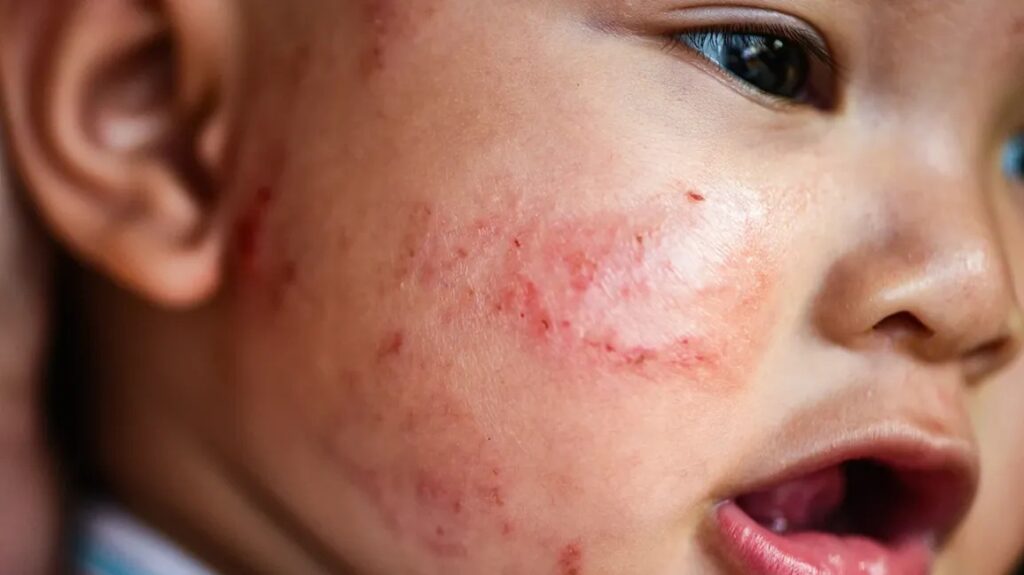
With the March–April heat wave kicking in across India (yes, Karnataka is already feeling it!), newborn rashes are popping up everywhere in mom groups. Is that red bumpy skin heat rash (prickly heat) from the humidity, or an allergic reaction (like hives or eczema flare-up)? Don’t worry—most are harmless and treatable at home, but knowing the difference can save you stress and keep your little one comfy.

In this guide, we’ll break it down: symptoms, how to spot the difference, pediatrician-approved home remedies (including coconut oil vs calamine lotion), when to worry, and prevention tips for scorching Indian summers.

What is Heat Rash (Prickly Heat or Miliaria) in Newborns?

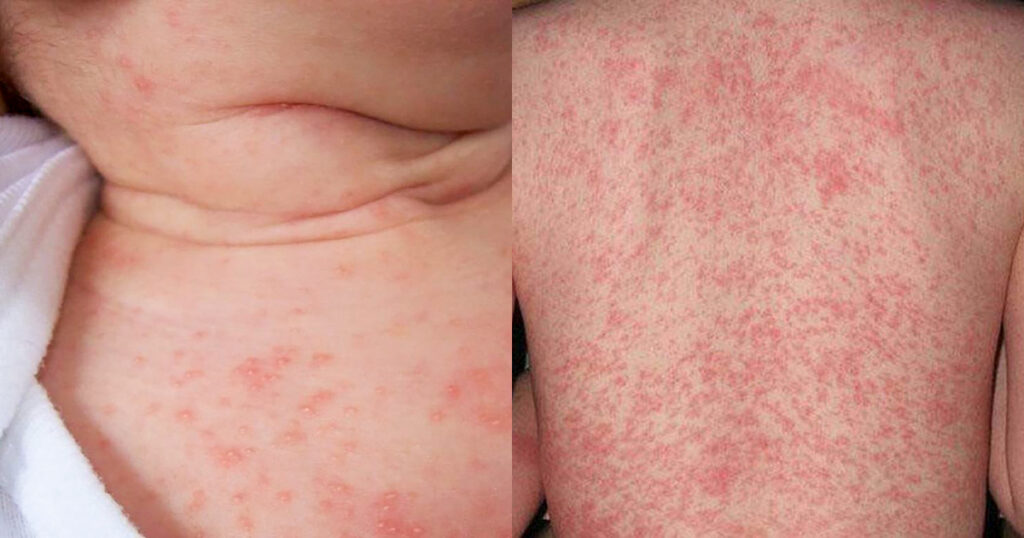
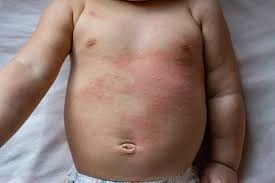
Heat rash happens when your baby’s tiny sweat glands get blocked in hot, humid weather. Sweat gets trapped under the skin, causing irritation. Newborns are extra prone because their sweat glands aren’t fully developed yet.

Common signs of heat rash:

  • Tiny red bumps or clear blisters (like small pimples or beads of sweat)
  • Clusters in sweaty areas: neck folds, chest, back, armpits, groin, or diaper area
  • Prickly, itchy, or burning feeling (baby may seem fussy or restless)
  • Worsens with heat/sweat and improves when cooled down

It usually clears in a few days with simple cooling—no fever or other illness involved.
What is an Allergy Rash in Newborns? (Hives, Eczema, etc.)

Allergic rashes come from triggers like new foods (milk/dairy), soaps, detergents, fabrics, pollen, or even laundry products. Common types include:

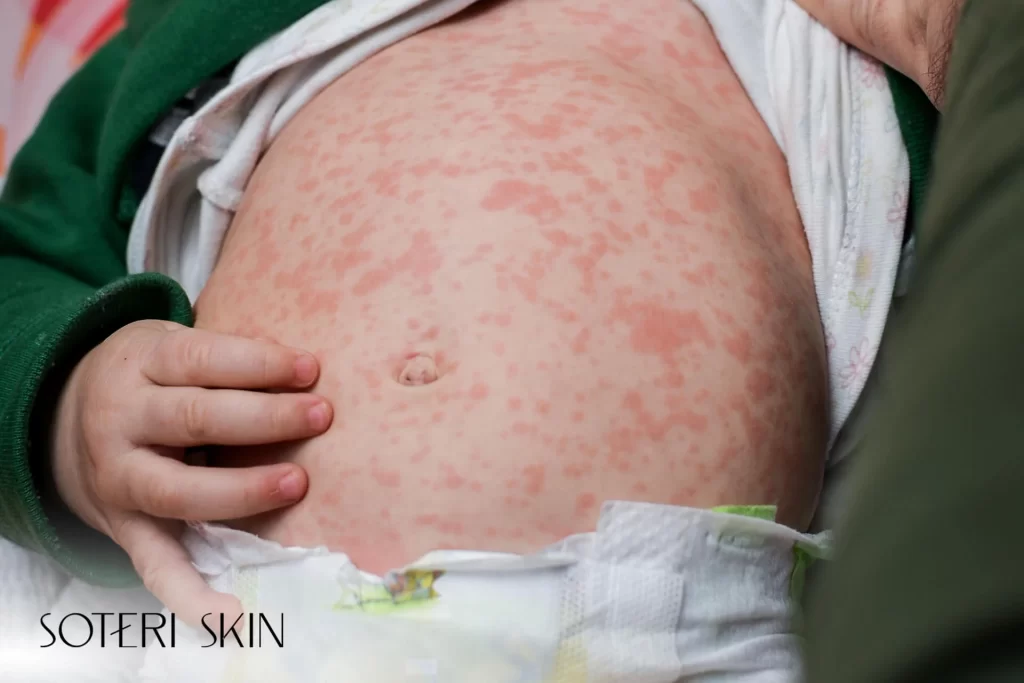
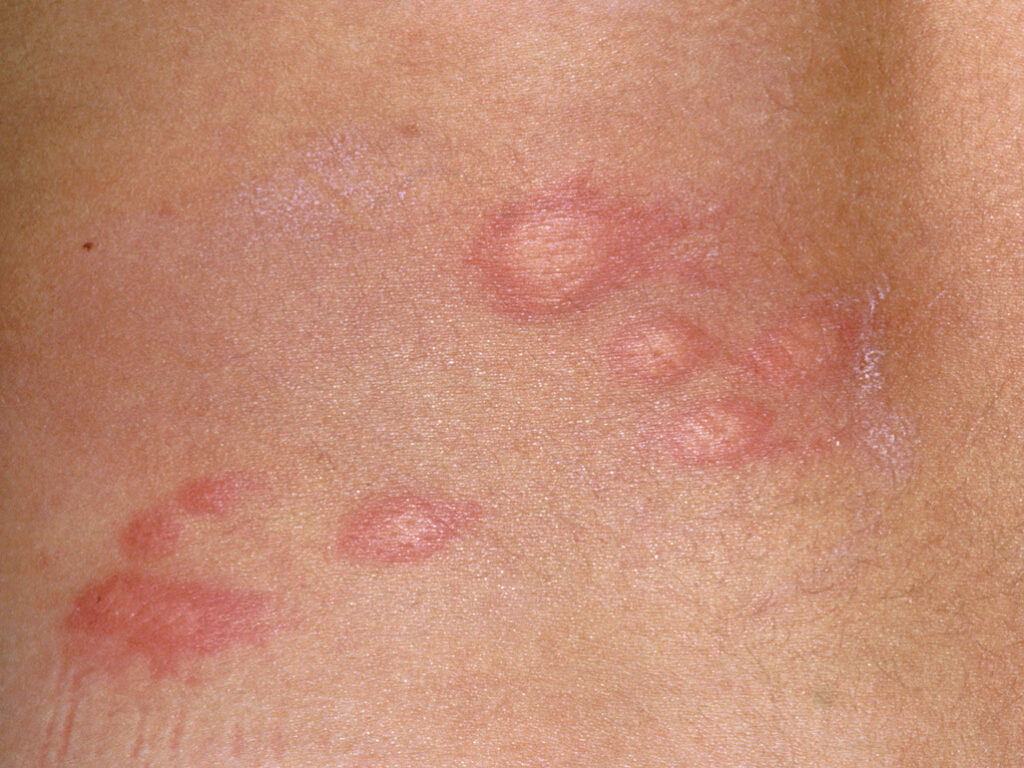
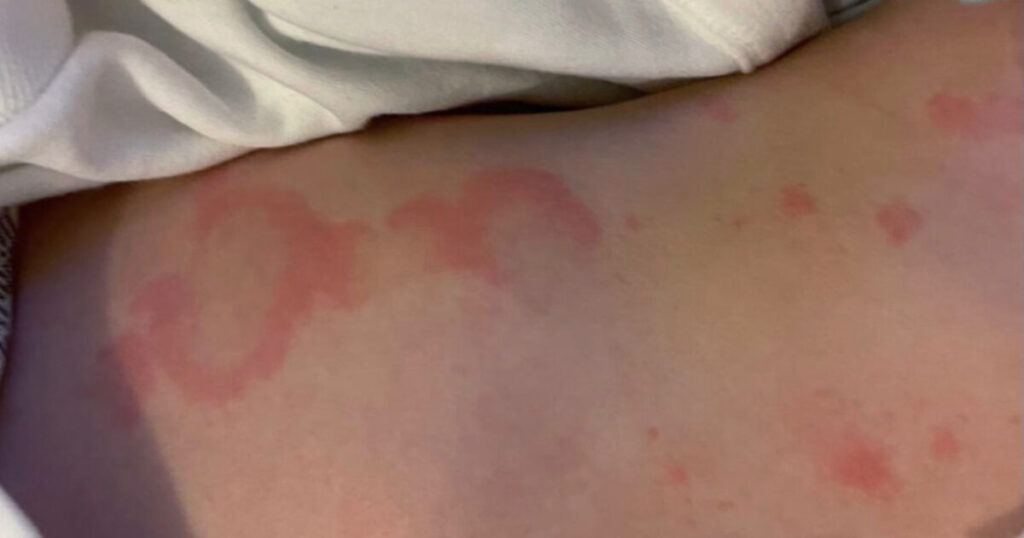
  • Hives (urticaria): Sudden raised, red welts that come and go quickly (often in 24 hours)
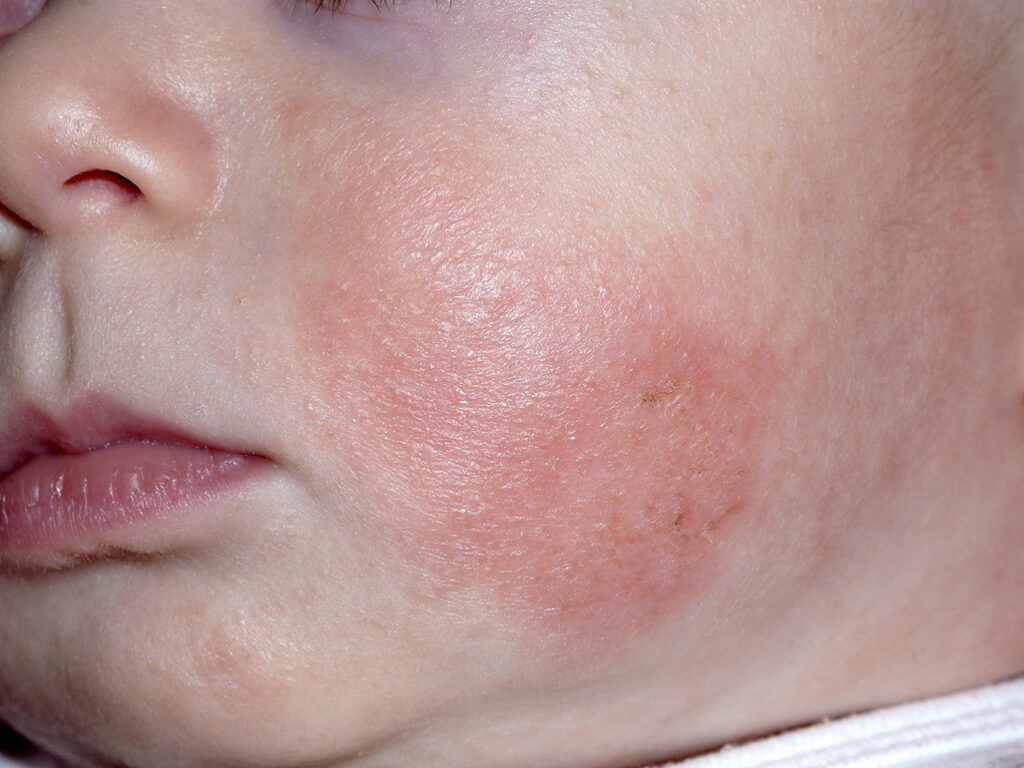
  • Eczema (atopic dermatitis): Dry, red, scaly patches that are very itchy and can crack

Common signs of allergy rash:

  • Raised welts/hives or dry, flaky patches
  • Intense itching (more severe than prickly heat)
  • Appears anywhere, often on face/cheeks, arms, or body
  • Sudden onset, may recur with the same trigger
  • Possible other signs: swelling, vomiting, or fussiness (severe cases need urgent care)

Unlike heat rash, it isn’t tied to temperature and doesn’t improve just by cooling.
Quick Comparison: Heat Rash vs Allergy Rash

Feature Heat Rash (Prickly Heat) Allergy Rash (Hives/Eczema)
Appearance Tiny pinpoint red bumps/blisters in clusters Raised welts (hives) or dry/scaly patches
Location Sweat-prone folds (neck, chest, back) Anywhere, often face/body
Itch Level Prickly/tingly Intense, burning itch
Trigger Heat, humidity, overdressing Allergens (food, soap, detergent)
Duration Clears in days with cooling May persist/recurr until trigger removed
Other Signs No fever Possible swelling, GI issues (severe)

Safe Home Treatments – Pediatrician-Approved for Indian Summers

For Heat Rash (Most Common in Summer):

  1. Cool the baby immediately – Move to a fan/AC room, give a lukewarm (not cold) bath without soap, pat dry gently.
  2. Dress lightly – Loose, breathable cotton clothes (avoid synthetics). Skip layers; let skin breathe (safe diaper-free time indoors).
  3. Soothe the skin:
    • Calamine lotion – Classic choice, cools and reduces itch (apply thinly).
    • Pure coconut oil – Natural Indian home remedy; moisturizes and calms mild cases (many moms prefer it over lotions for newborns).
    • Cool compress (clean cloth with cool water) for 10–15 mins.
  4. Keep hydrated – More breastfeeds or formula.

For Suspected Allergy Rash:

  • Identify/avoid trigger (switch to fragrance-free detergent, mild soap).
  • Gentle moisturizer (petroleum jelly or hypoallergenic cream).
  • Cool compress for hives.
  • If eczema suspected, use doctor-recommended barrier cream.

General tips: No scratching (trim nails), keep room cool (fan essential in Karnataka heat), change sweaty/damp clothes fast.

When to Worry & See a Pediatrician Right Away

Most rashes resolve at home, but rush to the doctor if:

  • Rash spreads rapidly, has pus/oozing blisters (possible infection)
  • Fever, swelling (face/lips/eyes), breathing trouble, vomiting (severe allergy/anaphylaxis emergency!)
  • Rash lasts >1 week, worsens, or baby is inconsolable/poor feeding
  • Signs of dehydration or extreme discomfort

In India, summer heat can turn minor issues worse—better safe with a quick pediatric visit.

Prevention Tips for Newborns During Indian Heat Waves

  • Dress in light cotton only (white/light colors best)
  • Avoid overdressing or tight swaddling
  • Use fan/AC; keep room 24–28°C
  • Daily cool baths, change diapers/clothes promptly
  • Mild, fragrance-free products
  • Shade outdoors; no direct sun for long

Final Thoughts

Summer 2026 is here, and heat rash is super common—but now you can spot it vs an allergy rash and treat safely at home. Coconut oil and calamine are mom-favorites in India, but always patch-test. Trust your instincts—if something feels off, chat with your pediatrician.

Have you dealt with newborn rashes this season? Share in the comments below—I read every one! Share this post with other moms in your WhatsApp groups.

Disclaimer: This is general info based on pediatric guidelines—not a substitute for medical advice. Consult a doctor for your baby’s specific condition.

Frequently Asked Questions (FAQs)

Is heat rash dangerous for newborns in India?


No, heat rash (prickly heat) is usually harmless and clears in a few days with cooling. It’s very common during Karnataka’s heat waves, but watch for infection signs like pus.

Heat rash shows tiny bumps in sweaty folds and improves with cooling. Allergy rash (hives/eczema) is more intense, sudden, and may involve face/swelling—often from food/soap triggers.

Yes, pure coconut oil is a safe, natural remedy many Indian moms use for mild cases—it moisturizes and soothes. Patch-test first and apply thinly.

Immediately if there’s fever, swelling, breathing issues, pus, or if the rash lasts over a week/worsens. Better to consult early in summer.

Yes—common trigger in hot Indian weather. Stick to light cotton layers and change sweaty clothes quickly.

No, heat rash (prickly heat) is usually harmless and clears in a few days with cooling. It’s very common during Karnataka’s heat waves, but watch for infection signs like pus.

Heat rash shows tiny bumps in sweaty folds and improves with cooling. Allergy rash (hives/eczema) is more intense, sudden, and may involve face/swelling—often from food/soap triggers.

Yes, pure coconut oil is a safe, natural remedy many Indian moms use for mild cases—it moisturizes and soothes. Patch-test first and apply thinly.

Immediately if there’s fever, swelling, breathing issues, pus, or if the rash lasts over a week/worsens. Better to consult early in summer.

Yes—common trigger in hot Indian weather. Stick to light cotton layers and change sweaty clothes quickly.

Related Articles on Momsaathi.com:

External Resources:

Baby Teeth Care Mistakes Indian Parents Make – Dr. Pooja Joshi Explains

Baby teeth care mistakes India – healthy smile with proper care

Momsaathi.com provides content for informational and educational purposes only. It is not intended to serve as a substitute for professional medical advice, diagnosis, or treatment. Always consult a pediatric dentist or your child’s doctor before starting any oral care routine, especially if your baby has sensitive skin, eczema, or allergies.

Reviewed by: Dr. Pooja Joshi Dentist | Pediatric & Family Oral Health Specialist

Author: By Team MomSaathi Expert

We asked Dr. Pooja Joshi, a trusted pediatric & family dentist practicing in Karnataka, to share the most common baby teeth care mistakes Indian parents make — and what to do instead.

  • Baby teeth care mistakes India parents make are very common — and they can lead to early cavities, pain, and dentist visits. In 2026, with better awareness, many moms are shifting to safer habits, but old habits (waiting too long to brush, night bottle feeds, sharing adult toothpaste) still cause problems.

    We asked Dr. Pooja Joshi, a trusted pediatric & family dentist practicing in Karnataka, to share the most common baby teeth care mistakes India parents make — and simple ways to fix them.

    1. Waiting Until All Teeth Appear Before Starting Cleaning

    Baby teeth care mistakes India often start here — many parents wait until multiple teeth come in or until age 2–3. Reality (Dr. Pooja Joshi): “Even before the first tooth erupts (around 6–10 months), clean gums gently with a soft, damp muslin cloth or silicone finger brush after every feed. Once the first tooth appears, brush twice daily with a rice-grain-sized smear of fluoride kids’ toothpaste.”

    Desi tip: Do this during evening oil massage time — many Karnataka moms combine both rituals.

    2. Night Feeds Without Wiping Teeth or Gums

    Baby teeth care mistakes India include putting baby to sleep with a milk bottle or breastfeeding without cleaning afterward. Reality (Dr. Pooja Joshi): “This causes nursing bottle caries — milk sugars sit on teeth overnight and feed cavity bacteria.”

    Safe fix: Wipe gums/teeth with a damp cloth after night feeds. After 12 months, avoid bottle-feeding to sleep.

    3. Using Adult Toothpaste or Too Much Toothpaste

    Baby teeth care mistakes India parents make include sharing family toothpaste or using a big blob. Reality (Dr. Pooja Joshi): “Adult toothpaste has higher fluoride and strong flavors. For under 3 years, use only a rice-grain-sized smear of 1000 ppm fluoride kids’ toothpaste.”

    Indian brands: Colgate Kids, Himalaya, Vicco (fluoride versions) — dentist-recommended.

    4. Skipping the First Dental Visit Until Problems Appear

    Baby teeth care mistakes India include waiting for pain or cavities before the first dental check-up. Reality (Dr. Pooja Joshi): “The Indian Dental Association recommends the first visit by age 1 or within 6 months of the first tooth. Early checks prevent fear and catch issues early.”

    Indian context: Affordable first visits available at government hospitals or private clinics (Cloudnine, Manipal).

    5. Using Unsafe Teething Remedies

    Baby teeth care mistakes India include giving honey, clove oil directly on gums, or teething necklaces. Reality (Dr. Pooja Joshi): “Honey before 1 year risks botulism. Clove oil can burn gums. Necklaces risk choking. Use chilled silicone teethers or a clean, wet washcloth instead.”

    Desi tip: Chilled carrot stick (supervised) or frozen muslin cloth works well.

    6. Ignoring Early White Spots or Cavities

    Baby teeth care mistakes India include thinking “milk teeth fall anyway, so cavities don’t matter.” Reality (Dr. Pooja Joshi): “Untreated cavities cause pain, infection, and affect permanent teeth. White/chalky spots are early decay — treatable with fluoride varnish if caught early.”

    Tip: Lift lip monthly and check front teeth in good light.

    7. Using Hard Brushes or Wrong Toothbrush

    Baby teeth care mistakes India include using adult hard brushes. Reality (Dr. Pooja Joshi): “Use extra-soft, small-head kids’ brushes — change every 3 months.”

    Tip: Let baby “chew” on brush to get used to it.

    When to See a Pediatric Dentist Immediately

    • First tooth appears (by age 1)
    • Any white/brown spot, hole, or pain
    • Swelling, fever, refusal to eat
    • Trauma (fall/chipped tooth)
    • Persistent thumb sucking/pacifier use after 3 years

    Which baby teeth care habit are you starting this week? Share in the comments — let’s help other moms, Karnataka families!

    Related Articles on Momsaathi.com:

    External Resources:

Dental Care for Kids India: Complete 2026 Guide for Parents

Dental care for kids India: baby gum cleaning with cloth

Dental Care for Kids India: Complete 2026 Guide for Parents

By Team MomSaathi Expert

Reviewed by Dr. Pooja Joshi, BDS – Pediatric & Preventive Dentistry Specialist

Dental care for kids India is essential for preventing common issues like cavities, which affect over 60–80% of Indian children due to diet, habits, and sometimes low fluoride exposure. Starting early builds lifelong healthy smiles. This 2026 guide shares practical, India-specific tips on brushing, teething, nutrition, and dentist visits.

When to Start Dental Care for Kids in India

Begin oral hygiene before teeth appear to avoid early childhood caries.

  • 0–6 months: Wipe gums gently with a soft, damp cloth after feeds. Never use a bottle for sleep—it’s a top cause of baby bottle tooth decay in India.
  • 6–12 months: Use a soft infant toothbrush with a rice-grain smear of fluoride toothpaste (1000–1500 ppm, per Indian Dental Association recommendations). Schedule the first dental visit by age 1 (or within 6 months of first tooth).

Early action reduces risks significantly.

How to Brush Properly: Dental Care for Kids India Guide

Supervision is key for effective brushing.

  • 1–3 years: Parents brush twice daily with rice-grain fluoride toothpaste using gentle circles.
  • 3–6 years: Pea-sized toothpaste; supervise and teach technique. Introduce flossing for touching teeth.
  • 6+ years: Encourage independence but check until age 8–10.

Spit don’t rinse vigorously to retain fluoride benefits. For daily routines, see our toddler hygiene routines.

Common Cavity Causes & Prevention in Indian Kids

Cavities stem from frequent sugars and poor habits, not just sweets.

Risks include:

  • Sticky Indian foods (jalebi, peda)
  • Packaged juices, colas, sweetened drinks
  • Night bottle feeding
  • Infrequent brushing

Prevention: Limit snacks to meals, rinse with water, apply professional fluoride varnish every 6 months. Check Indian Dental Association fluoride guidelines for details.

Safe Teething Relief for Babies in India

Teething causes drooling and mild discomfort—not high fever.

Tips:

  • Chilled teething rings
  • Gentle gum massage
  • Doctor-approved relief only

More in our baby teething relief guide.

Handling Thumb Sucking & Other Habits

Normal up to 3–4 years; prolonged cases may shift teeth.

Encourage positively; consult a dentist if persistent beyond 5.

Dental Visits: Timing for Kids in India

  • First visit: By age 1
  • Routine: Every 6 months

Early check-ups allow sealants, fluoride, and fear-free experiences. Follow Indian Academy of Pediatrics oral health guidelines.

Nutrition Tips for Strong Teeth (Dental Care for Kids India)

Calcium-rich Indian foods build enamel:

Include: Milk, curd, paneer, leafy greens (palak), fruits. Limit: Mithai, sugary cereals, aerated drinks.

See our nutrition guide for toddlers.

Expert Insight from Dr. Pooja Joshi

“Consistent dental care for kids India from infancy prevents most problems and ensures confident smiles for life.”

Warning Signs: Act Fast

See a dentist for white/brown spots, bleeding gums, bad breath, pain, or chewing issues.

Final Takeaways: Dental Care for Kids India

  • Start gum cleaning at birth
  • Supervised fluoride brushing twice daily
  • First dentist visit by age 1
  • Calcium-focused diet, sugar limits
  • Break bad habits early
  • Regular check-ups

Most issues are preventable!

Medical Disclaimer: Educational only—not a substitute for professional advice. Consult a dentist for personalized care.

Best Ayurvedic Baby Care Products 2026 – 100% Natural & Safe for Indian Babies

Momsaathi.com provides content for informational and educational purposes only. It is not intended to serve as a substitute for professional medical advice, diagnosis, or treatment. Always consult your pediatrician before using any new baby care product — especially for newborns with sensitive skin, eczema, or allergies. Do a patch test first.

New Indian moms in 2026 are moving away from chemical-laden baby products and choosing ayurvedic baby care products — gentle, 100% natural, and made with time-tested ingredients like coconut, almond, sesame, neem, and turmeric. These products suit India’s humid climate, reduce rash risk, and align with traditional practices like daily oil massage (tel malish).

Here are the best ayurvedic baby care products trusted by Indian moms right now — safe for newborns, toddlers, and sensitive skin.

Why Ayurvedic Baby Care Is Booming in India 2026

  • Chemical-free → no parabens, sulfates, synthetic fragrance, or mineral oil
  • Gentle on newborn skin → lower risk of rashes in hot/humid weather
  • Traditional + modern safety → many brands are GMP-certified & dermatologically tested
  • Supports daily rituals → oil massage, ubtan baths, herbal powders
  • Eco-friendly packaging → many use glass bottles or recyclable materials

Top Ayurvedic Baby Care Products Indian Moms Love in 2026

1. Maate – Cold-Pressed Massage Oils & Body Lotions

Why moms choose Maate: 100% natural, cold-pressed oils, no mineral oil, fragrance-free options, made for Indian skin & climate. Best-sellers:

  • Maate Baby Massage Oil (sesame + almond + herbs)
  • Maate Natural Baby Lotion Best for: Daily tel malish, dry skin, winter care Price range: ₹400–800 Where to buy: Maate website, Amazon, FirstCry

2. BabyOrgano – Ayurvedic Baby Ubtan & Bath Powder

Why moms love it: Chemical-free ubtan (herbal bathing powder), no soap needed, prevents rashes. Best-sellers:

  • BabyOrgano Ubtan Powder (chickpea flour + turmeric + herbs)
  • BabyOrgano Massage Oil Best for: Gentle cleansing, summer heat, eczema-prone babies Price range: ₹300–600

3. Mamaearth – Plant-Based Baby Range (Ayurvedic-Inspired)

Why it’s popular: Toxin-free, MadeSafe certified, affordable, widely available. Best-sellers:

  • Mamaearth Ubtan Face Wash & Body Wash
  • Mamaearth Gentle Cleansing Shampoo
  • Mamaearth Baby Massage Oil (sesame + almond) Best for: Budget-friendly natural option, daily use Price range: ₹200–500

4. Khadi Natural – Ayurvedic Baby Care Line

Why moms trust Khadi: Pure Ayurvedic formulations, no parabens/SLS, government-backed brand. Best-sellers:

  • Khadi Natural Baby Massage Oil
  • Khadi Herbal Baby Powder (talc-free) Best for: Traditional feel, sensitive skin Price range: ₹250–600

5. Indulekha – Bringha Baby Care (Ayurvedic Hair & Skin)

Why it’s trending: Famous for Bringha oil → now extended to baby line. Best-sellers:

  • Indulekha Bringha Baby Massage Oil Best for: Hair growth + scalp care, dry scalp Price range: ₹300–700

How to Choose Safe Ayurvedic Baby Care Products in India

  • Look for certifications: MadeSafe, GMP, dermatologically tested
  • Read ingredients: Avoid mineral oil, parabens, synthetic fragrance
  • Patch test first: Apply small amount on inner arm 24 hrs before full use
  • Check reviews from Indian moms (FirstCry, Amazon, Instagram)
  • Prefer glass bottles over plastic when possible

Quick Daily Ayurvedic Baby Care Routine (Indian Moms Style)

  • Morning: Warm sesame/almond oil massage (10–15 min)
  • Bath: Herbal ubtan powder or mild ayurvedic wash
  • Moisturize: Natural lotion or leftover oil
  • Night: Light head massage with Bringha oil (hair growth)

When to See a Pediatrician or Dermatologist

Contact doctor if:

  • Persistent rash/redness after using product
  • Baby has severe eczema or allergy signs
  • Swelling, hives, or breathing difficulty (rare but serious)
  • No improvement in cradle cap/dry skin after 2–3 weeks

Final Words for Indian Moms

In 2026, ayurvedic baby care products give Indian moms peace of mind — gentle, effective, and rooted in tradition. Start with one or two trusted brands (Maate, BabyOrgano, Mamaearth are top favorites), do a patch test, and watch your baby’s skin thrive.

Which ayurvedic baby product do you use and love? Share in the comments — let’s help other moms choose wisely, Karnataka moms!

Related Articles on Momsaathi.com:

External Resources:

Fever in Kids – Safe Home Remedies & When to See a Doctor (India Guide 2026)

Fever in Kids – Safe Home Remedies & When to See a Doctor (India Guide 2026)

Momsaathi.com provides content for informational and educational purposes only. It is not intended to serve as a substitute for professional medical advice, diagnosis, or treatment. Always consult a pediatrician immediately if your child has high fever (>102°F/39°C), fever lasting >3 days, difficulty breathing, rash, lethargy, or any worrying symptoms.

Fever is one of the most common reasons Indian parents rush to the doctor — and most of the time, it’s the body’s normal way of fighting infection. In 2026, with rising viral fevers (flu, dengue, hand-foot-mouth), moms want safe, gentle ways to manage fever at home before panicking.

These fever in kids home remedies are widely used by Indian moms and considered safe by most pediatricians when used correctly.

Common Causes of Fever in Kids (India Context)

  • Viral infections (cold, flu, roseola, dengue)
  • Teething (mild fever <100.4°F)
  • Ear/throat infections
  • Post-vaccination fever (normal 24–48 hrs)
  • Urinary tract infection (more common in girls)

Safe Home Remedies for Fever in Kids (Indian Moms’ Favorites)

  1. Keep Hydration High Give frequent sips of water, coconut water, oral rehydration solution (ORS), or jeera water. Dehydration makes fever feel worse.
  2. Tulsi + Ginger Kadha Boil 5–7 tulsi leaves + 2–3 thin ginger slices in 1 glass water → cool & strain → add honey (after 1 year). Give 2–3 tsp 2–3 times/day. Why it helps: Anti-inflammatory & soothing for throat.
  3. Sponge Bath (Not Cold Water) Use lukewarm water (never ice-cold) + soft cloth to wipe forehead, neck, armpits, groin. Repeat every 30–60 min if fever >100.4°F. Tip: Many Karnataka moms add 2–3 neem leaves to the water.
  4. Warm Ajwain Potli Roast ajwain seeds → tie in soft cloth → gently press on chest/back/stomach. Helps with gas & mild fever discomfort.
  5. Light Clothing & Cool Environment Dress in light cotton, keep room cool (fan/AC), avoid bundling too much.
  6. Paracetamol (Crocin/Calpol) – When Needed Only if fever >100.4°F (38°C) and child is uncomfortable. Dose: 10–15 mg/kg every 4–6 hours (doctor’s advice first). Never give aspirin — risk of Reye’s syndrome.

When to See a Doctor Immediately

Rush to pediatrician/hospital if:

  • Fever >102°F (39°C) in baby <3 months
  • Fever lasts >3 days (or >24 hrs in young infants)
  • Child is lethargic, not drinking, dry diapers, or breathing fast
  • Rash, neck stiffness, severe headache, vomiting
  • Fever with shivering/chills (possible dengue/malaria in monsoon)

Indian tip: Keep paracetamol syrup at home (check expiry), but always call doctor before first dose in infants.

Related Articles on Momsaathi.com:

External Resources:

First 1000 Days Nutrition India – Guide for Indian Parents (Pregnancy to 2 Years)

Momsaathi.com provides content for informational and educational purposes only. It is not intended to serve as a substitute for professional medical advice, diagnosis, or treatment. Always consult your gynecologist, pediatrician, or nutritionist for a personalized first 1000 days nutrition plan for your baby, especially if there are anemia concerns, allergies, or growth issues.

The first 1000 days (from pregnancy to a child’s 2nd birthday) are the most important window for brain development, immunity, and lifelong health. In India, where anemia affects nearly 60% of children under 5 (NFHS-5 data), focusing on nutrient-rich desi foods during these 1000 days can make a huge difference.

This guide covers first 1000 days nutrition India — trimester-wise pregnancy foods, 0–6 months breastfeeding, 6–24 months complementary feeding, superfoods (ragi, dal, jaggery), simple recipes, anemia prevention tips, and a clear timeline chart.

Why the First 1000 Days Matter in India

  • Brain grows fastest (90% by age 5)
  • Iron deficiency (anemia) is common — causes poor growth & learning delays
  • Good nutrition now prevents obesity, diabetes, and immunity issues later
  • Desi superfoods like ragi, dal, jaggery are affordable & powerful

Timeline Chart: First 1000 Days Nutrition India (Pregnancy to 2 Years)

Stage Age / Period Focus Nutrients Key Foods (Desi Examples) Daily Goal / Tips
Pregnancy Months 1–9 Folic acid, Iron, Calcium, DHA Palak, dal, jaggery, curd, ragi, dates, fish (low-mercury) +300–500 kcal, small frequent meals
Exclusive Breastfeeding Birth – 6 months All from breast milk Breast milk on demand (8–12 feeds/day) Feed every 1.5–3 hrs, skin-to-skin
Complementary Feeding 6–12 months Iron, Zinc, Protein, Vitamin A Ragi porridge, mashed dal, khichdi, mashed banana Start 1 tsp → increase to ½ katori, 2–3 meals
Family Foods + Milk 12–24 months Balanced macros, Micronutrients Roti-dal-sabzi, curd, fruits, jaggery laddoo 3 meals + 2 snacks + 500 ml milk/day

Superfoods for First 1000 Days Nutrition India

These affordable, traditional Indian foods are gold for anemia prevention and growth:

  1. Ragi (Finger Millet) – Iron, calcium, fiber → Best for anemia & bones
  2. Dal (Lentils) – Protein, iron, folate → Moong, masoor, chana – easy to digest
  3. Jaggery (Gur) – Iron, natural sweetness → Pair with vitamin C foods (amla, lemon)
  4. Spinach / Methi (Leafy Greens) – Iron, folate, vitamin A → Cook lightly to retain nutrients
  5. Dates & Pomegranate – Iron, antioxidants → Daily 4–5 dates soaked or fresh pomegranate
  6. Curd / Buttermilk – Calcium, probiotics → Daily for gut health & immunity

Simple Recipes for First 1000 Days (6–24 Months)

6–8 Months: Ragi Porridge (Iron Booster)

  • 2 tbsp ragi flour + 1 cup water
  • Cook to smooth paste → add breast milk/formula
  • Optional: tiny pinch jaggery

8–12 Months: Moong Dal Khichdi (Protein + Iron)

  • 2 tbsp moong dal + 2 tbsp rice
  • Pressure cook with veggies (carrot, pumpkin)
  • Mash lightly + ghee + pinch turmeric

12–24 Months: Jaggery Ragi Laddoo (Energy Snack)

  • Roast ragi flour + ghee + jaggery
  • Roll into small balls – 1 small laddoo/day

Anemia Prevention Tip

Pair every iron-rich food with vitamin C (lemon squeeze, amla, guava) to increase absorption by 3–6 times.

When to Consult a Pediatrician or Nutritionist

Seek help immediately if:

  • Baby has fewer than 6 wet diapers/day after day 5
  • Poor weight gain (below expected curve)
  • Pale skin, lethargy, or breathlessness (anemia signs)
  • Refusal to feed or constant fussiness
  • Jaundice persists beyond 2 weeks

In India, free nutrition counseling is available at Anganwadi centres, government hospitals, or PMSMA sessions.

Final Words for Indian Parents

The first 1000 days nutrition India is not about fancy supplements — it’s about consistent, loving, home-cooked desi meals rich in ragi, dal, jaggery, and seasonal foods. Start strong in pregnancy, continue with breastfeeding, and introduce solids mindfully — you’re giving your child the best possible start.

Which superfood are you including this week? Share your baby’s favorite recipe in the comments — let’s inspire each other, Karnataka moms!

Related Articles on Momsaathi.com:

External Resources:

Frequently Asked Questions (FAQs) About First 1000 Days Nutrition in India

What are the first 1000 days of a child’s life?


The first 1000 days refer to the period from conception until a child’s second birthday. This window is crucial for brain development, immunity building, and long-term physical growth.

First 1000 days nutrition in India plays a vital role in preventing stunting, anemia, and developmental delays. Proper maternal and infant nutrition improves cognitive ability, immunity, and lifelong health outcomes.

Pregnant women should consume a balanced diet rich in iron, folic acid, calcium, protein, and healthy fats. Indian foods like dal, green leafy vegetables, milk, nuts, fruits, and whole grains are highly recommended.

Yes, exclusive breastfeeding for the first six months is recommended as it provides complete nutrition, strengthens immunity, and supports optimal brain development.

Complementary feeding should begin at six months while continuing breastfeeding. Soft, mashed, iron-rich foods should be introduced gradually to support growth.

Nutrition during the first 1000 days supports rapid brain growth. Essential nutrients like DHA, iron, iodine, and protein help in cognitive development and memory formation.

Key nutrients include:

  • Iron

  • Folic acid

  • Calcium

  • Protein

  • Vitamin D

  • Iodine

  • Healthy fats


These support growth, immunity, and neurological development.

Yes, poor nutrition during the first 1000 days can increase the risk of obesity, diabetes, weak immunity, and learning difficulties later in life.

The first 1000 days refer to the period from conception until a child’s second birthday. This window is crucial for brain development, immunity building, and long-term physical growth.

First 1000 days nutrition in India plays a vital role in preventing stunting, anemia, and developmental delays. Proper maternal and infant nutrition improves cognitive ability, immunity, and lifelong health outcomes.

Pregnant women should consume a balanced diet rich in iron, folic acid, calcium, protein, and healthy fats. Indian foods like dal, green leafy vegetables, milk, nuts, fruits, and whole grains are highly recommended.

Yes, exclusive breastfeeding for the first six months is recommended as it provides complete nutrition, strengthens immunity, and supports optimal brain development.

Complementary feeding should begin at six months while continuing breastfeeding. Soft, mashed, iron-rich foods should be introduced gradually to support growth.

Nutrition during the first 1000 days supports rapid brain growth. Essential nutrients like DHA, iron, iodine, and protein help in cognitive development and memory formation.

Key nutrients include:

  • Iron

  • Folic acid

  • Calcium

  • Protein

  • Vitamin D

  • Iodine

  • Healthy fats


These support growth, immunity, and neurological development.

Yes, poor nutrition during the first 1000 days can increase the risk of obesity, diabetes, weak immunity, and learning difficulties later in life.

Signs Baby Getting Enough Breast Milk – Indian Moms Checklist

Momsaathi.com provides content for informational and educational purposes only. It is not intended to serve as a substitute for professional medical advice, diagnosis, or treatment. Always consult a lactation consultant, pediatrician, or gynecologist if you’re concerned about signs baby getting enough breast milk, weight gain, or breast milk supply.

One of the biggest worries for new Indian moms is: “Is my baby getting enough breast milk?” The good news? There are clear signs baby getting enough breast milk you can observe every day — no need to guess or panic. Your body is designed to produce exactly what your baby needs, and most moms make plenty when feeding on demand.

This checklist is made especially for Indian moms (with practical tips for Karnataka and other regions): visual signs, diaper counts, weight gain guide, and when to reach out to a lactation expert.

8 Clear Signs Baby Is Getting Enough Breast Milk

1. 6–8+ Wet Diapers Per Day (After Day 5)

Clear or pale yellow urine is the best sign of good hydration and enough breast milk. Indian mom tip: Count wet nappies daily. Fewer than 5–6 after day 5 = contact your pediatrician.

2. 3–4+ Dirty Diapers Per Day (Yellow, Seedy Poop)

After day 4–5, poop should be mustard-yellow and seedy (not black/tarry). Frequent poops = active feeding and good breast milk supply.

3. Steady & Healthy Weight Gain

Weight gain is the most reliable sign baby getting enough breast milk. Babies lose 5–10% of birth weight in week 1 → should regain by day 10–14 → gain ~20–30 g/day (150–200 g/week).

Simple Indian weight gain reference chart (approximate – always follow your pediatrician’s chart):

Age Expected Weight Gain (per week) Total from Birth
Week 1 May lose 5–10%
Week 2–4 150–250 g Back to birth weight
Month 1–3 150–200 g +600–800 g
Month 3–6 100–150 g Steady curve

Desi tip: Many Karnataka clinics use ICMR/NHM growth charts — ask for one at every visit.

4. You Hear Swallowing Sounds During Feeds

After fast initial sucks, listen for soft “kah” or gulping — means milk is flowing and baby is swallowing actively.

5. Baby Looks Satisfied & Relaxed After Feeds

Hands relax, body softens, baby may fall asleep or look content. Fussy right after = possible hunger.

6. Good Latch & Frequent Feeding

8–12 feeds in 24 hours (every 1.5–3 hours), 10–20 min per breast. Tip: Feed on demand — Indian moms often follow baby’s cues, not strict schedules.

7. Breasts Feel Softer After Feeds & Milk Let-Down Happens

Breasts soften (emptying), you may feel tingling/leaking when baby cries — clear signs of enough breast milk production.

8. Baby Is Alert, Active & Has Good Muscle Tone

Bright-eyed when awake, responsive, not lethargic — shows baby is well-fed and hydrated.

When to Consult a Lactation Expert or Pediatrician (Red Flags)

Contact help right away if you notice:

  • Fewer than 5–6 wet diapers/day after day 5
  • No poop by day 5–6 or very dark/scant stools
  • Baby not regaining birth weight by 2 weeks
  • Constant fussiness, weak suck, or falling asleep at breast within minutes
  • Breasts never feel full/soft after feeds
  • Severe nipple pain, cracked nipples, or mastitis signs (fever, red/hot patch)
  • Baby very sleepy, jaundiced beyond 2 weeks, or not waking to feed

In India, free lactation support is available at government hospitals, PMSMA camps, or private consultants (many in Bengaluru).

Quick Breastfeeding Tips for Indian Moms

  • Feed on demand (8–12 times/24 hrs) – colostrum is enough first 3 days
  • Drink jeera water, coconut water, or warm milk to stay hydrated
  • Eat galactagogue foods: Shatavari, methi laddoo, oats, garlic, ajwain water (doctor-approved)
  • Rest when baby sleeps — stress lowers supply
  • Skin-to-skin contact boosts milk production

You’re doing wonderfully, mama — trust your body and baby’s signals.

How many wet diapers is your newborn making today? Share your breastfeeding journey in the comments — let’s support each other, Karnataka moms!

Related Articles on Momsaathi.com:

External Resources:

Best Diapers for Babies India 2026 – Eco vs Disposable Guide with Rash Prevention Tips

Momsaathi.com provides content for informational and educational purposes only. It is not intended to serve as a substitute for professional medical advice, diagnosis, or treatment. Always consult your pediatrician before choosing diapers, especially if your baby has sensitive skin, frequent rashes, or allergies.

Choosing the right diaper in India in 2026 can feel overwhelming — with so many brands, eco-claims, and prices. Indian moms face unique challenges: high humidity (especially in Karnataka, coastal areas, and monsoon season), heat, and baby’s delicate skin prone to diaper rash.

This guide compares eco-friendly vs disposable diapers — the two main types parents choose today — with pros/cons, top picks trending in 2026, rash prevention tips, and climate-specific advice.

Quick Comparison Table: Eco-Friendly vs Disposable Diapers (India 2026)

Feature Eco-Friendly / Biodegradable Diapers Traditional Disposable Diapers
Material Plant-based (bamboo, corn starch, organic cotton) Super-absorbent polymer (SAP) + plastic layers
Absorbency Very good (some match disposables) Excellent (highest absorbency)
Rash prevention Better breathability → lower rash risk Good, but can trap moisture if not changed often
Biodegradability 60–90% biodegradable (90–180 days in compost) 200–500 years to break down
Price (per diaper, approx) ₹12–25 ₹8–18
Best for Sensitive skin, eco-conscious families, long-term use Convenience, overnight, heavy wetters
Popular brands 2026 Bambo Nature, Seventh Generation, SuperBottoms, Little Toes Pampers, Huggies, MamyPoko, Whisper Baby Pants
Indian climate fit Excellent in humid/monsoon areas (less trapping) Good, but change more often in heat/humidity

Pros & Cons: Eco-Friendly Diapers vs Disposable Diapers

Eco-Friendly / Biodegradable Diapers

Pros:

  • Gentler on baby’s skin – more breathable, less chemical irritation
  • Lower rash risk in India’s humid climate
  • Better for environment – reduces landfill waste
  • Many are chlorine-free, fragrance-free, dye-free
  • Reusable cloth-hybrid options (e.g., SuperBottoms) save money long-term

Cons:

  • Slightly higher price per diaper
  • Absorbency can be lower in very heavy wetters
  • Not all brands are 100% biodegradable (check certifications)
  • Availability mostly online or in big cities

Traditional Disposable Diapers

Pros:

  • Highest absorbency & leak protection (great for night)
  • Cheaper per piece
  • Widely available (every kirana store)
  • Convenient for travel/outings
  • Many have wetness indicators & stretchy sides

Cons:

  • Contain plastics & SAP (super-absorbent polymer) – can trap heat/moisture
  • Higher rash risk if not changed frequently in humid weather
  • Not eco-friendly – massive landfill contribution
  • Some have fragrance/lotions that irritate sensitive skin

Rash Prevention Tips for Indian Babies (2026)

Diaper rash is very common in India due to heat + humidity — here’s how to minimize it:

  1. Change diaper every 2–3 hours (or immediately after poop)
  2. Use fragrance-free, alcohol-free wipes (or plain water + cotton cloth)
  3. Pat dry gently — never rub
  4. Apply thin layer of rash cream (zinc oxide-based, e.g., Desitin, Himalaya, Sebamed) at every change
  5. Let baby go diaper-free 10–15 minutes daily (air time)
  6. Choose breathable diapers — eco ones usually win here
  7. Dress in loose cotton clothes — avoid tight synthetic pants
  8. In monsoon/high humidity: change more often + use barrier cream

Best Diaper Picks for Babies in India 2026

Top Eco-Friendly Choices:

  • Bambo Nature (very breathable, soft, low rash reports)
  • Little Toes (Indian brand, biodegradable, affordable)
  • SuperBottoms (cloth-hybrid reusable + disposable liners)
  • Seventh Generation (chlorine-free, plant-based)

Top Disposable Choices:

  • Pampers Premium Care (softest, wetness indicator)
  • Huggies Wonder Dry (good for heavy wetters)
  • MamyPoko Extra Absorb (pants style, popular in India)
  • Whisper Baby Pants (budget-friendly, good absorbency)

Tip for Karnataka moms: In humid Bengaluru weather, prioritize breathable options (eco or cotton-lined disposables) and change more frequently during rainy season.

Final Thoughts for Indian Moms in 2026

There is no one “best” diaper — it depends on your baby’s skin, your budget, and lifestyle. Start with a small pack of eco vs disposable and see which causes fewer rashes and leaks. Most moms mix both — eco for day/home, disposable for nights/travel.

What diaper brand works best for your baby? Share your experience in the comments — let’s help other moms choose wisely!

Related Articles on Momsaathi.com:

External Resources:

Top Baby Care Trends India 2026: What New Parents Are Loving Right Now

Baby Care Trends 2026 in India

Baby Care Trends India 2026 – Natural, Eco-Friendly & Smart Choices for New Parents

Momsaathi.com provides content for informational and educational purposes only. It is not intended to serve as a substitute for professional medical advice, diagnosis, or treatment. Always consult your pediatrician or healthcare provider before trying new baby products, especially for newborns with sensitive skin or allergies.

Baby care trends India 2026 are shifting toward more intentional, natural, and sustainable choices. New parents in Karnataka and across India are prioritizing toxin-free skincare, breathable eco-diapers, low-screen smart gear, and gentle hygiene — all while blending traditional wisdom (warm oil massages, home remedies) with modern safety standards.

The Indian baby care market in 2026 is booming — driven by rising awareness of infant skin sensitivity, urban pollution, and eco-consciousness. Here are the top baby care trends India 2026 that moms and dads are loving right now — practical, relatable, and perfect for Indian homes.

1. Natural, Organic & Toxin-Free Skincare Dominates

Baby care trends India 2026 show parents avoiding harsh chemicals and choosing plant-based, hypoallergenic formulas.

Key highlights:

  • Paraben-free, sulfate-free, fragrance-free lotions, shampoos, and massage oils
  • Ingredients like aloe vera, calendula, coconut, neem, turmeric
  • pH-balanced, dermatologically tested, hypoallergenic options

Why it’s trending: High concern over rashes, allergies, and long-term skin health in humid/dry Indian climates and city pollution. Practical tip: Start with a simple routine — mild tear-free wash + natural moisturizer after bath. Karnataka note: Coconut-based or local herbal blends work best in tropical weather.

2. Eco-Friendly & Sustainable Essentials Gain Momentum

Sustainability is mainstream for 2026 parents.

Top choices:

  • Biodegradable/plant-based diapers
  • Organic cotton clothes, bedding, reusable cloth alternatives
  • Non-toxic toys, eco-wipes

Why parents love it: Verifiable eco-claims, reduced waste, and skin-friendly materials align with health + planet values. Indian context: Many families blend tradition (cloth nappies in joint homes) with convenient biodegradable options. Budget tip: Start with essentials like organic onesies or plant-based wipes — affordable swaps.

3. Smart, Low-Screen & Intentional Tech for Calm Parenting

Tech supports parents without overwhelming babies.

Trending gear:

  • “Invisible” smart monitors (subtle alerts, minimal screens)
  • Interactive non-glowing toys/walkers for motor skills
  • Soothing devices (white noise, gentle vibrations)

Why it’s popular: Balances convenience (for working moms in Bengaluru) with developmental play and reduced screen exposure. For families: Great for busy commutes — calming car seats or monitors that let you focus on bonding.

4. Hygiene, Grooming & Rash Prevention Focus

Daily care emphasizes gentleness and protection.

Hot items:

  • Mild, tear-free shampoos/body washes
  • Natural barrier rash creams
  • Baby-safe sunscreens, soft brushes, nail clippers

Trend driver: Infection prevention, fragrance-free formulas for sensitive eyes/skin. Routine idea: Warm bath, pat dry, apply gentle lotion/oil — avoid overwashing to preserve natural skin barrier.

5. Feeding & Nutrition: Safe, Ergonomic & Gut-Friendly

Parents prioritize ease and health.

Favorites:

  • BPA-free/anti-colic bottles
  • Silicone feeding sets
  • Baby food steamers/makers
  • Probiotic-enriched options

Rising: Breast pump accessories and no-added-sugar nutrition for gut health.

Overcoming Real Indian Parenting Challenges in 2026

  • Budget: Premium organic items add up — start with high-impact products (skincare/diapers).
  • Overwhelm: Filter family advice with pediatrician input.
  • Online shopping boom: Two-thirds of urban parents buy via e-commerce — check reviews and certifications.

Your Quick 2026 Baby Care Action Plan

  1. Switch to natural moisturizer or eco-diapers this week.
  2. Build a gentle routine: bath, massage, feed, bond.
  3. Research certifications for peace of mind.

These baby care trends India 2026 empower you to choose confidently for a healthier, happier baby.

What’s one baby care trend you’re excited about? Share in the comments — let’s help each other, Karnataka moms!

Related Articles on Momsaathi.com:

External Resources:

Breastfeeding vs Bottle Feeding: Honest Comparison for Indian Mothers 2026

Breastfeeding vs Bottle Feeding (Formula Feeding): Honest Comparison for Indian Mothers in 2026

As a new mom in India, you’re navigating a mix of strong cultural support for breastfeeding (jaappa traditions, family advice, government programs like MAA), aggressive formula marketing, workplace pressures, and modern realities like returning to work early. Exclusive breastfeeding rates have improved—around 63.7% for the first 6 months (from recent NFHS-5 and WBTi 2025 data)—but many moms supplement or switch due to perceived low supply, pain, work, or family pressure. WHO, UNICEF, AAP, and Indian guidelines still recommend exclusive breastfeeding for ~6 months, then continued with complementary foods up to 2 years or beyond.

This is a realistic, no-guilt comparison based on current evidence (2025–2026 studies and guidelines). Breast milk remains the gold standard, but formula is a safe, nutritionally adequate option when needed—no judgment here.

Quick Side-by-Side Comparison (2026 Perspective)

Aspect Breastfeeding (Exclusive/Continued) Formula/Bottle Feeding
Nutrition Dynamic, perfectly tailored; changes with baby’s needs (e.g., more water in hot Indian summers). Colostrum = first immunity boost. Live cells, enzymes, hormones. Mimics breast milk closely (iron-fortified, DHA/ARA added in many brands). Static composition; lacks live antibodies/bioactives. Adequate for growth.
Digestion & Comfort Easier to digest → less gas, constipation, colic. Lower risk of spit-up. Heavier → longer intervals between feeds (good for sleep sometimes), but more constipation/gas in some babies.
Immunity & Infections Antibodies + good bacteria → lower risk of diarrhea, respiratory infections, ear infections, SIDS. In India, protects against common issues like diarrhea (high in monsoons). No live immunity → higher risk of GI/respiratory infections, allergies. Studies show more diarrhea episodes.
Long-term Health Lower obesity, type 2 diabetes, allergies, better cognitive scores. Mom: lower breast/ovarian cancer, diabetes risk. Slightly higher weight gain (0.29 kg more at 6 months in some meta-analyses); potential higher chronic disease risk later.
Bonding & Convenience Skin-to-skin, on-demand → strong bonding. Free, always ready, no prep. But mom is “on call.” Anyone can feed → shared responsibility, predictable schedule. Pumping/sterilizing adds work/cost.
Cost (India 2026) Almost free (extra food/calories for mom). ₹2,000–5,000+/month (premium brands like NanPro, Similac). Bottles, sterilization extra.
Environmental Impact Lowest footprint; sustainable. Higher carbon footprint (~48% more than breastfeeding). Packaging waste.
Challenges in India Latch pain, perceived low supply (common myth), work return (many resume by 3–6 months), family pressure for “top feeds,” pre-lacteals in some homes. Aggressive marketing, over-diagnosis of “allergy” leading to unnecessary switches, bottle risks (malocclusion, infections if not sterilized).

Breastfeeding: The Wins (and Real Struggles)

Pros — Unmatched for immunity (especially vital in India’s infection-prone environment), easier digestion, free, promotes bonding/uterine recovery/postpartum weight loss for mom. Reduces infant mortality risks (diarrhea/pneumonia common killers). Exclusive breastfeeding protects against fever, ARI, and diarrhea (evidence from India-specific studies).

Cons/Realities in India 2026

  • Early initiation still only ~42% (huge gap despite 88–90% hospital births).
  • Supply worries (often perception; cluster feeding normal).
  • Pain/soreness, engorgement, mastitis.
  • Work: Maternity leave (26 weeks paid for many), but pumping at office hard; crèches rare.
  • Cultural: “Baby not gaining enough” pressure → unnecessary top feeds/formula.
  • Bottle use rising (~22% in 0–12 months).

Support exists: Lactation consultants, MAA program, apps, online communities. Skin-to-skin, frequent feeds, hydration, traditional foods (methi, jeera, shatavari) help supply.

Formula/Bottle Feeding: When It’s Needed (and Trade-offs)

Pros — Reliable supply, measurable intake (reassuring for weight worries), shared feeding (dad/family help), predictable routine. Modern Indian formulas (e.g., iron-fortified, probiotics in some) support good growth. No shame if medically indicated (e.g., low supply, adoption, meds, severe pain).

Cons/Risks

  • Higher infection risk (diarrhea, respiratory—worse in polluted/hot Indian settings).
  • Cost + sterilization hassle (boil bottles in many homes).
  • Overfeeding possible → faster weight gain but potential obesity link.
  • No antibodies → misses immunity window.
  • Cultural pushback sometimes (seen as “modern” but criticized by elders).

Trends show formula use rising in urban/middle-class families due to work, marketing, and myths about inadequate milk. But evidence still shows breastfeeding superior for health outcomes.

Realistic Advice for Indian Moms in 2026

  • Try breastfeeding first — Most can succeed with support. Get latch help Day 1 in hospital (push for it). Track wet diapers (6+/day), weight gain.
  • Combo feeding common — Many do both; better than stopping breastfeeding entirely.
  • No guilt — Fed is best. If formula needed, choose Stage 1 (0–6 months), follow hygiene, consult pediatrician.
  • Red flags — Poor weight gain, dehydration → see doctor fast (don’t just add formula without guidance).
  • Support — Join local La Leche/Indian mom groups, use tele-lactation (growing in 2026), involve family positively.

Breast milk can’t be beaten for biology, but a happy, supported mom + fed baby is the real win. Millions of Indian moms mix both successfully.