Pregnancy Tips India 2026: 4 Essential Things Every Expecting Parent Should Know

Pregnancy Tips India 2026 guide for expecting parents

Pregnancy Tips India 2026: 4 Essential Things Every Expecting Parent Should Know

Momsaathi.com provides content for informational and educational purposes only. It is not intended to serve as a substitute for professional medical advice, diagnosis, or treatment. Always consult your obstetrician, gynecologist, or healthcare provider for personalized guidance on your pregnancy, nutrition, exercise, vaccinations, or any health concerns.

As we move deeper into 2026, many expecting parents in Karnataka and across India are focusing on intentional, preventive steps for a healthier pregnancy journey. However, with nearly half of pregnancies now classified as high-risk (due to factors like age, lifestyle, nutrition gaps, anemia, or gestational diabetes), experts emphasize starting strong — even small daily choices can make a big difference in maternal and baby outcomes.

Pregnancy is not a disease, but it brings profound body changes. The “first 1000 days” (pregnancy + first 2 years of baby life) set the foundation for lifelong health. Therefore, here are 4 key pregnancy tips India 2026 every expecting parent should keep in mind — practical, desi-friendly, and backed by current expert recommendations.

1. Make Balanced Nutrition a Daily Priority – Fuel Mom & Baby Right

Nutrition is the cornerstone of a healthy pregnancy. In India, where anemia and nutrient deficiencies remain common, focus on iron-rich, folate-packed, and varied home-cooked meals.

Key nutrients & desi sources:

  • Folic acid (600 mcg/day): Prevents neural tube defects — start supplements 1–3 months before conception if planning. Foods include palak, methi, dal, oranges, guava.
  • Iron (27–30 mg/day): Combats anemia — pair with vitamin C for absorption. Foods include jaggery, dates, beetroot, lentils, lean chicken/fish.
  • Calcium (1000 mg/day): For baby’s bones/teeth. Foods include curd, paneer, milk, sesame seeds (til), ragi porridge.
  • Protein (extra 25g/day): Builds tissues. Foods include dal, eggs, paneer, nuts, sprouts.
  • Healthy fats (DHA/omega-3): Brain development. Foods include walnuts, flaxseeds (alsi), fish (if non-veg).

Trimester tips:

  • First trimester: Small, frequent meals to fight nausea — ginger tea, idli, khichdi.
  • Second/Third trimester: Increase portions mindfully (+300–500 kcal) — include seasonal fruits/veggies.

Indian twist: Incorporate traditional elements like turmeric milk (haldi doodh) for anti-inflammatory benefits, but always consult your doctor first.

2. Keep Gentle Movement & Exercise in Your Routine – Stay Active Safely

Gentle exercise reduces risks like gestational diabetes, improves mood, eases labor, and boosts energy.

Recommended activities (doctor-approved):

  • Walking: 20–30 minutes daily — fresh morning air in parks or around your apartment.
  • Prenatal yoga/Pilates: Focus on breathing, pelvic floor (Kegels), gentle stretches — great for back pain.
  • Swimming or light aqua aerobics: Low-impact, cooling in hot weather.

Benefits in Indian context: Helps manage weight gain, improves sleep, and counters sedentary urban lifestyles.

Listen to your body — stop if dizzy, short of breath, or any pain. Start slow if new to exercise.

3. Talk to Your Doctor About Vaccinations & Preventive Care

Stay updated on vaccines to protect you and baby — key in 2026 with evolving health guidelines.

Must-discuss:

  • Flu (influenza) vaccine: Safe anytime during pregnancy.
  • Tdap (tetanus, diphtheria, pertussis): Usually 27–36 weeks to protect newborn from whooping cough.
  • Others: Rubella, hepatitis B (if needed), COVID boosters — per your doctor’s advice.

Additional preventive steps:

  • Regular antenatal check-ups: Monitor blood pressure, sugar, anemia.
  • Screen for high-risk factors early (thyroid, GDM, anemia).
  • Folic acid + iron supplements as prescribed.

In India, institutional deliveries and early care have improved outcomes — prioritize visits!

4. Make Informed Choices – Filter Advice & Prioritize Mental/Emotional Health

Pregnancy brings joy but also anxiety — especially with family advice overload.

Informed decisions: Trust your OB-GYN over myths (e.g., “avoid water” or “no exercise” — often unsafe). Mental health: Practice deep breathing, meditation, or light walks. Talk openly about worries — postpartum blues can start early. Lifestyle: Zero alcohol/smoking, limit stress, get 7–9 hours sleep, stay hydrated (8–10 glasses water + coconut water/nimbu paani).

For working Karnataka moms: Set boundaries for rest — accept help from family/partners.

Bonus: Pre-Pregnancy Prep If Planning in 2026

If trying to conceive (TTC):

  • Manage chronic conditions (diabetes, BP, thyroid).
  • Achieve healthy weight/BMI.
  • Start folic acid 3 months before.
  • Quit smoking/alcohol/tobacco — body needs 3 months to optimize egg/sperm quality.

Your 2026 Pregnancy Mantra

Focus on consistency over perfection — balanced meals, gentle movement, regular check-ups, and self-compassion. These small habits support a strong, healthy pregnancy and baby.

What’s one pregnancy tip you’re focusing on this month? Share in the comments — let’s support each other, Karnataka moms!

Related Articles on Momsaathi.com:

External Resources:

How to Beat Pregnancy Fatigue & Nausea – Natural Remedies Indian for Moms

Pregnancy Fatigue & Nausea Remedies India – Natural Tips Moms Swear By

Momsaathi.com provides content for informational and educational purposes only. It is not intended to serve as a substitute for professional medical advice, diagnosis, or treatment. Always consult your gynecologist before trying any remedy during pregnancy, especially if nausea is severe or you have other health conditions.

The first trimester often brings two exhausting companions: pregnancy fatigue and nausea (morning sickness). In India, many moms hear endless family advice (“just eat less,” “avoid cold things,” “drink this kadha”). However, most of these tips are not evidence-based. In 2026, with better awareness, here are safe, natural pregnancy fatigue nausea remedies India moms actually use — and gynecologists commonly approve.

Why Fatigue & Nausea Hit Hard in Early Pregnancy

Hormones (hCG, progesterone) surge rapidly. Additionally, blood volume increases, blood sugar fluctuates, and your body works overtime to build the placenta. In Indian homes, heat, humidity (especially in Karnataka), and stress from family expectations can make it feel even worse.

Most women feel worst weeks 6–12. The good news? For 70–80% of moms, nausea eases by week 14, and energy slowly returns in the second trimester.

Safe Natural Remedies for Pregnancy Nausea (Indian Favorites)

1. Ginger (Adrak) – The #1 Doctor-Recommended Remedy

Ginger reduces nausea by calming the stomach and blocking certain brain signals. How to use:

  • Sip warm ginger tea (1–2 thin slices boiled in water) 2–3 times/day
  • Chew small pieces of fresh ginger or ginger candy
  • Add grated ginger to khichdi or lemon water Tip: Avoid very strong ginger if it increases acidity — start small.

2. Jeera (Cumin) Water – Great for Digestion & Bloating

Jeera helps with gas, acidity, and queasiness. How to use: Boil 1 tsp jeera in 1 glass water → sip throughout the day. Desi tip: Many Karnataka moms add a pinch of ajwain for extra relief.

3. Tulsi (Holy Basil) Tea – Calms Stomach & Mind

Tulsi is anti-inflammatory and reduces stress-related nausea. How to use: Steep 5–7 fresh tulsi leaves in hot water → drink 1–2 cups/day. Bonus: Helps with mild headaches too.

4. Coconut Water & Nimbu Paani – Hydration Heroes

Dehydration makes nausea & fatigue worse — especially in Indian summers. How to use: Drink fresh coconut water daily (natural electrolytes). Add lemon + pinch of black salt to water for quick relief.

5. Small, Frequent Desi Meals – Prevents Empty Stomach Nausea

Eating every 2–3 hours keeps blood sugar stable. Easy options:

  • Plain idli or khichdi
  • Roasted poha or murmura
  • Banana or seasonal fruit (apple, guava)
  • Curd rice (light & soothing)

Natural Ways to Fight Pregnancy Fatigue (That Actually Work)

1. Short Power Naps & Rest When Baby Rests

Even 20–30 minutes recharges you. Desi tip: Lie down after lunch — common in joint families.

2. Light Movement (Doctor-Approved)

Walking 15–20 min daily or gentle prenatal yoga boosts energy & mood. Tip: Morning walk in park — fresh air helps a lot.

3. Iron-Rich Foods (If Anemic – Very Common in India)

Fatigue is often anemia. Foods: Jaggery, dates, beetroot, palak, ragi porridge, pomegranate. Pair with: Lemon/vitamin C for better absorption.

4. Hydration & Electrolytes

Drink 8–10 glasses water + coconut water/nimbu paani daily.

When to See Your Doctor Immediately

Contact your gynecologist right away if:

  • Nausea is severe (can’t keep any food/water down → hyperemesis gravidarum)
  • Vomiting + weight loss + dehydration (dry mouth, dark urine)
  • Extreme fatigue + dizziness + pale skin (possible anemia or thyroid issue)
  • Nausea after week 14–16 (uncommon — needs checking)

In India, PMSMA camps (9th of every month) offer free specialist check-ups — use them!

Final Encouragement for Indian Moms

Pregnancy fatigue and nausea are tough — especially when family keeps saying “sab normal hai.” You’re not weak; your body is doing huge work. Try one or two remedies at a time, rest when you can, and lean on your support system.

Which remedy helped you most? Share your tip in the comments — let’s support each other, Karnataka moms!

Related Articles on Momsaathi.com:

External Resources:

Symptoms of Pregnancy

Early Signs of Pregnancy: Understanding Your Body’s Changes

The early signs of pregnancy can include missed periods, nausea, tiredness, mood swings, and other changes in the first few weeks.

Pregnancy is an incredible journey full of wonder and transformation. Your body starts sending signals early on, some subtle and others hard to miss. Recognizing these signs can help you feel more in control and prepared. Keep in mind that every woman’s experience is different—some notice a lot of changes right away, while others have very few in the beginning.

Pregnant happy woman touching her belly. Pregnant middle aged woman portrait. Healthy pregnancy concept - American Dental Group

The Most Common Early Symptoms

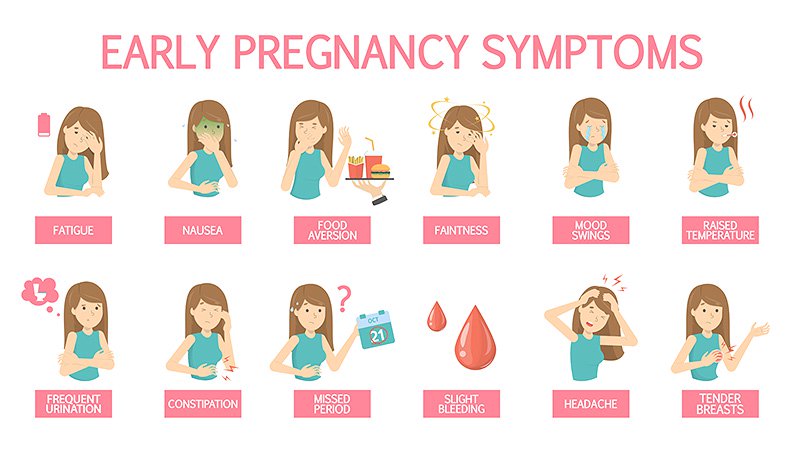
In the first weeks, you might feel unusually tired, even if you’re getting plenty of rest. Nausea—often called morning sickness (though it can strike anytime)—is another frequent visitor, along with tender or swollen breasts and more visible veins or darker nipples.

Many women also notice frequent trips to the bathroom as the growing uterus presses on the bladder, unusual food cravings or aversions, and mood swings driven by shifting hormones. Light spotting or mild cramping can occur too, as the embryo implants.

A Missed Period: The Classic Clue

For many, the first real hint is a late or missed period. It’s one of the most reliable early signs, but it’s not foolproof—stress, weight changes, or illness can also delay your cycle.

Am I Pregnant? Early Signs of Pregnancy | First Response™

The Most Common Early Symptoms

In the first weeks, you might feel unusually tired, even if you’re getting plenty of rest. Nausea—often called morning sickness (though it can strike anytime)—is another frequent visitor, along with tender or swollen breasts and more visible veins or darker nipples.

Many women also notice frequent trips to the bathroom as the growing uterus presses on the bladder, unusual food cravings or aversions, and mood swings driven by shifting hormones. Light spotting or mild cramping can occur too, as the embryo implants.

If you’re planning a baby, read our complete guide on how to get pregnant naturally.

A Missed Period: The Classic Clue

For many, the first real hint is a late or missed period. It’s one of the most reliable early signs, but it’s not foolproof—stress, weight changes, or illness can also delay your cycle.

Many women notice early signs of pregnancy such as nausea, fatigue, and breast tenderness within the first few weeks.

Emotional Ups and Downs

Hormonal shifts can bring on mood swings, irritability, or even feelings of anxiety. It’s completely normal, but don’t hesitate to lean on loved ones or talk to a healthcare provider if emotions feel overwhelming.

When Do Symptoms Start—and Can You Have None?

Symptoms can appear as early as a week or two after conception, but for most, they become noticeable around the time of a missed period. Some women sail through the first weeks with no obvious signs at all—that doesn’t mean you’re not pregnant. It’s just your body’s unique way of handling the changes.

PMS or Pregnancy? How to Tell the Difference

Some symptoms overlap with premenstrual syndrome (PMS)—think bloating, breast tenderness, or cramps. But nausea, extreme fatigue, or a positive pregnancy test are stronger clues pointing toward pregnancy. Heavy bleeding is more typical of a period than early pregnancy (where any spotting is usually light).

If you experience these early signs of pregnancy, it’s a good idea to take a pregnancy test or consult a doctor.

How To Get Pregnant

How to Get Pregnant Fast Naturally – India Guide 2026

Momsaathi.com provides content for informational and educational purposes only. It is not intended to serve as a substitute for professional medical advice, diagnosis, or treatment. Always consult a gynecologist, fertility specialist or reproductive endocrinologist before making changes to your health routine when trying to conceive.

The journey to motherhood is one of the most beautiful experiences a woman can have — and many Indian couples want to know how to get pregnant fast and naturally. While conception can take time (most healthy couples conceive within 6–12 months of regular unprotected sex), staying patient, calm, and proactive makes all the difference.

This 2026 guide for Indian couples covers ovulation tracking, best timing, lifestyle & diet changes, common myths, and when to seek help — all tailored for Indian families.

1. Understand Your Menstrual Cycle & Fertile Window

Most women have a cycle of 28–32 days (though 21–35 days is normal). Ovulation — when the egg is released — usually happens 12–16 days before your next period. This creates a fertile window of about 5–6 days (sperm can live 3–5 days inside, egg survives ~24 hours).

How to track ovulation in India:

  • Calendar method: Mark your period dates for 3–6 months
  • Basal Body Temperature (BBT): Slight rise (0.5–1°F) after ovulation
  • Cervical mucus: Becomes clear, stretchy, egg-white like near ovulation
  • Ovulation predictor kits (OPKs): Available at any pharmacy (₹300–800) — test daily from day 10
  • Apps: Flo, Clue, Ovia, or Indian apps like Maya — many moms use these

Tip: Have intercourse every 1–2 days during the fertile window (days 10–18 in a 28-day cycle) for best chances.

2. Optimize Diet & Nutrition for Fertility (Indian Superfoods)

A balanced diet supports egg quality, hormone balance, and sperm health.

Foods to eat regularly:

  • Iron-rich: Jaggery, dates, beetroot, pomegranate, spinach, ragi
  • Folate/folic acid: Dal, palak, methi, oranges, guava
  • Omega-3 & healthy fats: Walnuts, flaxseeds (alsi), fish (low-mercury), ghee (moderate)
  • Antioxidants: Amla, berries, tomatoes, nuts
  • Protein: Dal, paneer, eggs, sprouts, chicken/fish

Foods to limit or avoid:

  • Excessive sugar, processed food, trans fats
  • High-mercury fish
  • Too much caffeine (>200 mg/day ≈ 1–2 cups coffee)

Desi fertility boosters (doctor-approved):

  • Shatavari powder (1 tsp in warm milk) – supports female hormones
  • Ashwagandha (for stress & male fertility)
  • Methi laddoo or seeds soaked overnight

Take prenatal folic acid (400–800 mcg) 3 months before trying — reduces birth defect risk.

3. Lifestyle Changes That Help You Get Pregnant Faster

Both partners matter — fertility is 50/50.

For women:

  • Maintain healthy BMI (18.5–24.9) — under/over weight affects ovulation
  • Moderate exercise (walking, prenatal yoga, swimming) — 150 min/week
  • Reduce stress (meditation, family time, hobbies)
  • Avoid smoking, alcohol, recreational drugs

For men:

  • Avoid tight underwear/hot baths (heat lowers sperm count)
  • Eat zinc-rich foods (pumpkin seeds, nuts, dal)
  • Quit smoking & limit alcohol
  • Exercise moderately — no excessive cycling/gym stress

Couple tips:

  • Have intercourse every 1–2 days during fertile window
  • Avoid lubricants that kill sperm (use fertility-friendly ones like Pre-Seed if needed)
  • Sleep 7–9 hours — poor sleep lowers fertility hormones

4. Common Myths About How to Get Pregnant in India

  • Myth: “Stay upside down after sex” → Fact: Gravity doesn’t affect sperm travel — lie flat 10–15 min is enough
  • Myth: “Don’t eat cold foods/curd” → Fact: Pasteurized curd is safe & calcium-rich
  • Myth: “Conceive only on even/odd days” → Fact: Timing is based on ovulation, not calendar luck
  • Myth: “Stress has no effect” → Fact: Chronic stress raises cortisol — lowers fertility

5. When & Where to Get Help in India (2026)

Most healthy couples conceive within 12 months (under 35) or 6 months (35+). Seek help if:

  • Under 35 → no pregnancy after 12 months
  • 35–40 → no pregnancy after 6 months
  • Over 40 → see specialist sooner
  • Known issues: PCOS, irregular cycles, endometriosis, low sperm count, previous miscarriages

Where to go in India:

  • Government hospitals (free/low-cost) – AIIMS, Lady Hardinge, government medical colleges
  • Private fertility clinics (Nova IVF, Cloudnine, Manipal, Fortis)
  • Tests: AMH, semen analysis, HSG, thyroid, blood sugar, ultrasound
  • Free camps: Many states have infertility camps under NHM

Final Encouragement for Indian Couples

Learning how to get pregnant naturally takes patience, teamwork, and self-care. Track ovulation, eat nourishing desi foods, reduce stress, and enjoy the journey together. Most couples succeed — and when they don’t, help is available.

What’s one change you’re making this month to boost fertility? Share in the comments — let’s support each other, Karnataka moms and couples!

Related Articles on Momsaathi.com:

External Resources:

C-Section vs Normal Delivery Healing: What New Mothers Should Know

Childbirth is a life-changing experience, and recovery plays a crucial role in a mother’s physical and emotional well-being. Understanding the difference between C-section vs normal delivery healing can help new mothers set realistic expectations and take better care of themselves after childbirth.

This guide explains healing timelines, pain levels, care tips, and what to expect after both delivery methods.

What Is Normal Delivery Healing?

A normal (vaginal) delivery involves childbirth through the birth canal. Recovery is generally quicker, but healing still requires proper care.

Healing Timeline After Normal Delivery

  • Initial recovery: 1–2 weeks
  • Complete healing: 4–6 weeks
  • Perineal soreness may last a few days to weeks

Common Post-Delivery Symptoms

  • Vaginal soreness or swelling
  • Mild bleeding (lochia)
  • Muscle fatigue
  • Discomfort while sitting

Tips for Faster Healing

  • Rest as much as possible
  • Maintain proper hygiene
  • Do pelvic floor exercises (as advised)
  • Stay hydrated and eat nutritious food

What Is C-Section Healing?

A C-section (Cesarean delivery) is a surgical procedure where the baby is delivered through an incision in the abdomen and uterus.

Healing Timeline After C-Section

  • Hospital stay: 3–5 days
  • Initial recovery: 4–6 weeks
  • Full recovery: up to 8–12 weeks

Common Post-C-Section Symptoms

  • Incision pain and soreness
  • Limited mobility initially
  • Fatigue
  • Abdominal discomfort

Tips for C-Section Recovery

  • Avoid heavy lifting
  • Keep the incision clean and dry
  • Walk gently to improve circulation
  • Follow prescribed medications strictly

[fc-calories-calculator]

C-Section vs Normal Delivery Healing: Comparison Table

Aspect Normal Delivery C-Section
Healing Time Faster (4–6 weeks) Slower (8–12 weeks)
Pain Level Mild to moderate Moderate to severe
Hospital Stay 1–2 days 3–5 days
Mobility Faster recovery Limited initially
Scar No surgical scar Visible abdominal scar

Which Healing Is More Painful?

Healing after a C-section usually involves more pain because it is a major surgery. However, complicated vaginal deliveries (tears or episiotomy) can also cause discomfort. Pain tolerance and recovery vary from person to person.

Emotional Healing After Delivery

Both delivery methods can affect emotional health due to:

  • Hormonal changes
  • Sleep deprivation
  • Physical exhaustion

Seeking support from family, doctors, or counselors is important during recovery.

When to Contact a Doctor

Seek medical help if you notice:

  • Fever
  • Excessive bleeding
  • Pus or redness at the incision site
  • Severe pain
  • Signs of infection

Labour & Delivery: What to Expect During Childbirth

Labour and delivery mark the final and most anticipated stage of pregnancy. While every birth experience is unique, understanding the process can help reduce fear, build confidence, and prepare you both physically and emotionally. Knowing what happens during labour allows expectant mothers and families to feel more in control during this life-changing moment.

Third Trimester: The Final Stretch Before Meeting Your Baby

The third trimester is the last stage of pregnancy. It’s a time of excitement, anticipation, and some physical challenges. Your body changes quickly to get ready for childbirth as you get closer to meeting your baby.

This stage usually starts around week 28 and goes until the baby is born. This journey can be hard at times, but knowing what to expect can make it easier and more fun.

When Does the Third Trimester Begin?

The third trimester starts at week 28 and goes on until birth, which is usually around week 40.

A Quick Look at the Timeline:

  • Week 28–32: The baby grows very quickly.
  • Week 33–36: The baby gains weight and gets ready to be born.
  • Week 37–40: Full-term pregnancy.

👉 Each week brings your baby closer to being ready to be born.

Baby Growth in the Third Trimester

During this time, your baby grows and develops a lot.

Growth of the Brain

The baby’s brain grows quickly and makes important neural connections.

Lung Maturity

The lungs keep growing and getting ready to breathe after birth.

Develops Senses

Your baby can now see light, hear sounds, and even know who you are.

Getting Heavier

During this trimester, babies gain most of their weight, which makes them stronger and healthier.

Common Symptoms in the Third Trimester

You might have a few symptoms as your body gets used to it:

Tired

Changes in hormones and weight gain can make you feel tired.

Swelling

Fluid retention can make your feet, ankles, and hands swell.

Pain in the Back

Extra weight makes your lower back hurt.

Trouble Breathing

Your lungs are being pushed by the growing uterus.

Problems with Sleep

It can be hard to find a good position to sleep in.

How to Stay Comfortable

Here are some useful tips for dealing with discomfort in the third trimester:

Sleep Smart

  • Sleep on your side.
  • Use pillows to help you sleep.

Be Active

  • Do light exercises like walking or prenatal yoga.

Eat Foods That Are Good for You

  • Eat meals that are balanced and have all the nutrients you need.

Drink Plenty of Water

  • Drink a lot of water.

Maintain Good Posture

  • To ease back pain, sit and stand up straight.

[fc-walking-test]

Getting Ready for Labour and Delivery

The third trimester is the best time to get ready for having a baby.

Pack Your Hospital Bag

Include things like clothes, papers, baby things, and personal care items.

Plan for Birth

Think about what you want for labour and delivery.

Regular Check-Ups

Go to all of your prenatal appointments to keep an eye on your baby’s health.

Find Out About Labour

Knowing what to look for when you’re in labour can help you feel less anxious.

Things to Look Out For

If you notice any of the following, call your doctor right away:

  • Severe pain in the stomach
  • A lot of bleeding
  • Less movement from the baby
  • Severe swelling or headaches
  • High fever

👉 These could mean that there are problems that need medical attention.

Changes in Emotions in the Third Trimester

It’s normal to have a lot of different feelings:

  • Excited to meet your baby
  • Worrying about labour
  • Changes in mood

👉 Talking to your partner or family can make you feel better.

Moms: Tips for Taking Care of Yourself

  • Get some rest when you need it
  • Learn how to relax
  • Stay in touch with people you care about
  • Get your mind ready for being a mum

When Is Your Baby Full-Term?

A baby is full-term when the mother has been pregnant for 37 to 40 weeks.

👉 Most babies born during this time are healthy and ready to live outside the womb.

Last Thoughts

The third trimester is a strong and emotional time. It might hurt, but it will also bring you closer to one of the best times of your life: meeting your baby.

Take care of yourself, pay attention to what your body is telling you, and enjoy these last few weeks of being pregnant.

Questions and Answers: Third Trimester

What happens during the third trimester of pregnancy?

The baby grows quickly, and the mother’s body gets ready for labour.

What should I stay away from in the third trimester?

Don’t lift heavy things, get stressed, or eat junk food. Always do what your doctor says.

What can I do to sleep better in the third trimester?

Sleep on your side with pillows to support you and stay in a comfortable position.

When do I need to go to the hospital?

Go to the hospital if your contractions are regular, your water breaks, or you see any warning signs.

Is it normal to be tired in the third trimester?

Yes, fatigue is common because of changes in hormones and the body.

🔗 Expert Insights & Resources

Second Trimester of Pregnancy: What to Expect from Weeks 13 to 26

The second trimester of pregnancy, spanning from week 13 to week 26, is often considered the most comfortable phase of pregnancy. For many women, early symptoms like nausea and extreme fatigue begin to ease, while energy levels improve. This trimester is marked by noticeable physical changes and exciting developmental milestones for your baby.

Physical Changes During the Second Trimester

As your body adapts to pregnancy, you may experience several changes, including:

  • A growing baby bump

  • Reduced morning sickness

  • Increased energy and appetite

  • Skin changes such as stretch marks or pigmentation

  • Back pain or leg cramps

You may also start feeling your baby’s movements, known as quickening, typically between weeks 18 and 22.

[ultimate-pregnancy-ovulation]

Emotional Well-Being in the Second Trimester

With hormonal levels stabilizing, many women feel emotionally more balanced during this trimester. Feelings of excitement and bonding with the baby often increase. However, occasional anxiety about childbirth or parenting is normal. Practicing relaxation techniques, prenatal yoga, and open communication with loved ones can support emotional health.

Baby’s Growth and Development

The second trimester is a period of rapid growth and development for the baby. By the end of this phase:

  • The baby’s organs are more developed and functional

  • Facial features become clearer

  • The baby can hear sounds and respond to touch

  • Bones strengthen and muscles develop

An important anomaly scan is usually performed during this trimester to monitor the baby’s growth and development.

Essential Care and Health Tips

To maintain a healthy pregnancy during the second trimester:

  • Attend regular prenatal check-ups

  • Eat a balanced diet rich in calcium, iron, and protein

  • Stay physically active with doctor-approved exercises

  • Get adequate rest and maintain good posture

  • Monitor any unusual symptoms and consult your doctor if needed

Conclusion

The second trimester is often a more enjoyable and energetic phase of pregnancy. With proper care, nutrition, and emotional support, this period allows you to connect with your baby while preparing for the months ahead. Staying informed and maintaining healthy habits ensures a smoother pregnancy journey for both mother and baby.

FAQ’s

First Trimester of Pregnancy

The first trimester of pregnancy is one of the most important phases for both the mother and the developing baby. Spanning from week 1 to week 12, this stage involves major physical, hormonal, and emotional changes. Understanding what happens during the first trimester can help you feel more confident, prepared, and healthy throughout your pregnancy journey.

What Is the First Trimester of Pregnancy?

The first trimester begins on the first day of your last menstrual period and lasts until the end of week 12. During this time, the fertilized egg implants in the uterus and starts developing into an embryo and then a fetus.

This trimester is crucial because all major organs and body systems of the baby begin forming


Common First Trimester Symptoms

Every pregnancy is unique, but many women experience the following first trimester pregnancy symptoms:

  • Morning sickness (nausea and vomiting)
  • Fatigue and extreme tiredness
  • Breast tenderness and swelling
  • Frequent urination
  • Mood swings
  • Food cravings or aversions
  • Bloating and constipation
  • Mild cramping or spotting (implantation bleeding)

👉 If symptoms are severe or unusual, consult your doctor immediately.


Baby’s Development in the First Trimester

During the first 12 weeks, your baby goes through rapid development:

  • Week 4–5: Heart and nervous system begin forming

  • Week 6–7: Facial features, arms, and legs start developing

  • Week 8: Baby begins moving (not felt yet)

  • Week 10–12: Organs form, heartbeat is strong, baby is called a fetus

By the end of the first trimester, your baby is about 5–6 cm long.


Essential First Trimester Care Tips

Proper care during the first trimester supports a healthy pregnancy:

1. Start Prenatal Vitamins

Take folic acid, iron, calcium, and DHA as prescribed to prevent birth defects.

2. Eat a Balanced Diet

Include:

  • Fruits and vegetables
  • Whole grains
  • Protein-rich foods
  • Dairy or calcium-rich alternatives

Avoid raw foods, unpasteurized dairy, and excessive caffeine.

3. Stay Hydrated

Drink plenty of water to reduce nausea, constipation, and fatigue.

4. Get Enough Rest

Hormonal changes can cause extreme tiredness—listen to your body.

5. Avoid Harmful Substances

Completely avoid alcohol, smoking, drugs, and unnecessary medications.

Medical Checkups in the First Trimester

Important tests and scans include:

  • Pregnancy confirmation test
  • Blood and urine tests
  • Blood group and Rh factor
  • First ultrasound (dating scan)
  • Thyroid and sugar level checks

Regular prenatal visits help detect and prevent complications early.

If you’re planning pregnancy, start with our pregnancy planning guide before your first trimester.

Emotional Changes During the First Trimester

Hormonal fluctuations can cause:

  • Anxiety
  • Mood swings
  • Fear or excitement
  • Emotional sensitivity

This is completely normal. Talking to your partner, family, or healthcare provider can help.

Many expectant moms experience common early pregnancy symptoms in the first trimester.

Do’s and Don’ts in the First Trimester

Do’s Don’ts
Take prenatal vitamins Skip meals
Eat small, frequent meals Self-medicate
Practice light exercise (as advised by your doctor) Overexert yourself
Maintain personal hygiene Stress excessively

According to March of Dimes, the first trimester pregnancy care includes essential checkups and nutrition guidelines.

[ultimate-pregnancy-ovulation]

When to See a Doctor Immediately

Seek medical attention if you experience:

  • Heavy bleeding
  • Severe abdominal pain
  • High fever
  • Persistent vomiting
  • Dizziness or fainting


Calculate Your Calories

[dcc_calc]