
Differences Between IVF and IUI – Which Fertility Treatment Is Better?

Infertility can be an emotional and challenging journey for many couples trying to conceive. Fortunately, modern fertility treatments like IVF (In Vitro Fertilization) and IUI (Intrauterine Insemination) have helped millions of couples achieve pregnancy.

Both treatments are widely used, but they differ in procedure, cost, success rates, and suitability for different fertility issues. Understanding the differences between IVF and IUI can help couples make informed decisions about the right fertility treatment.

If you are planning pregnancy, understanding the fertility treatment options is an important step in your journey.

What Is IUI (Intrauterine Insemination)?
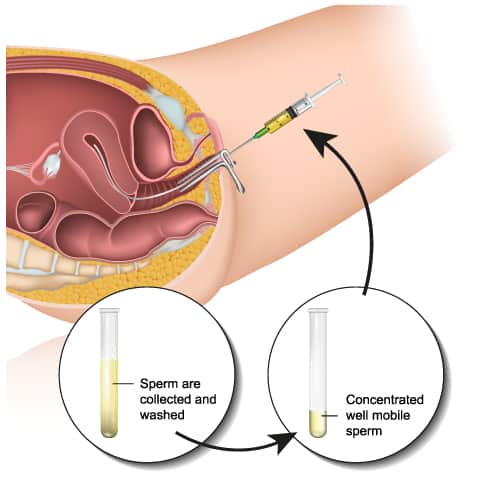
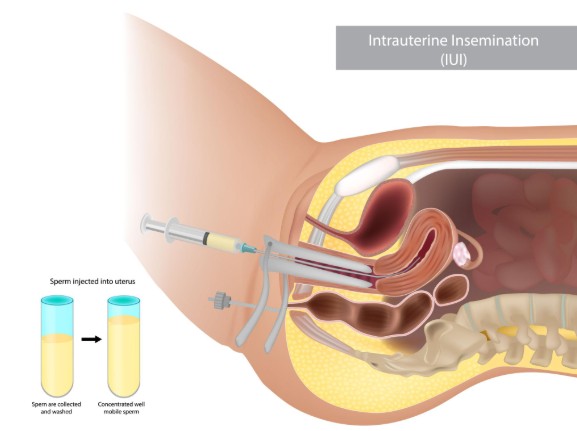
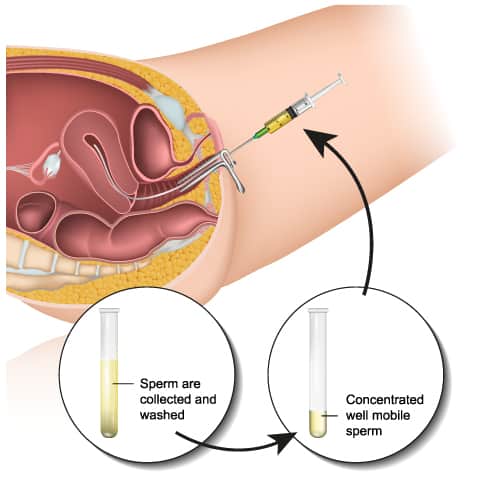
IUI (Intrauterine Insemination) is a fertility treatment where specially prepared sperm is placed directly into a woman’s uterus during ovulation. This increases the chances of fertilization by helping sperm reach the egg more easily.

The IUI process typically includes:

• Ovulation monitoring
• Sperm collection and preparation
• Insertion of sperm into the uterus using a thin catheter

IUI is considered a less invasive and more affordable fertility treatment compared to IVF.

According to medical experts, IUI is often recommended for couples with mild fertility issues or unexplained infertility.

External reference:
https://www.mayoclinic.org/tests-procedures/intrauterine-insemination/about/pac-20384722

What Is IVF (In Vitro Fertilization)?
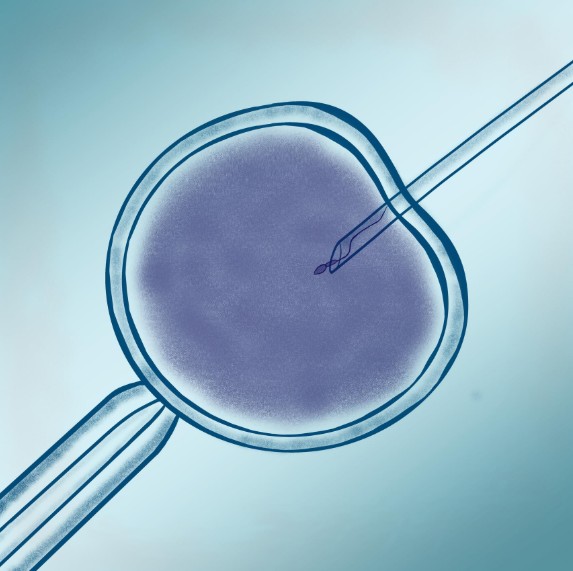
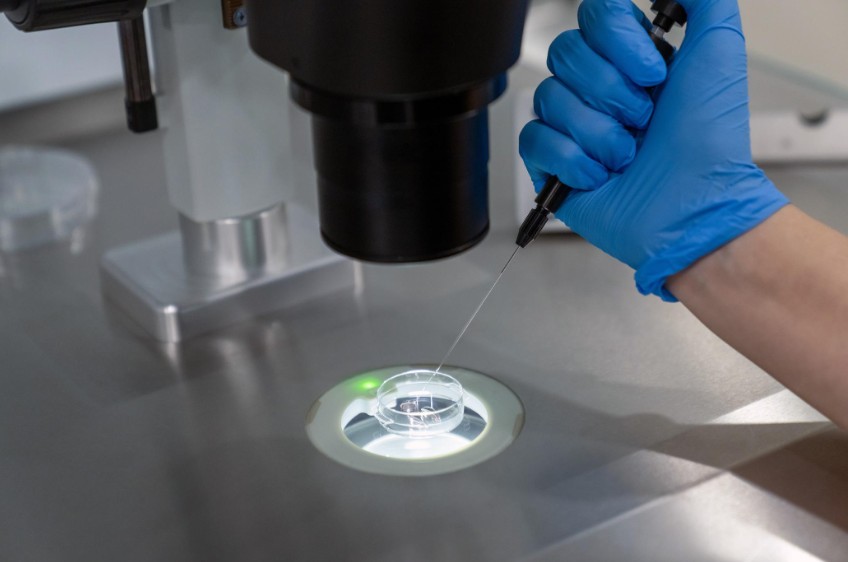
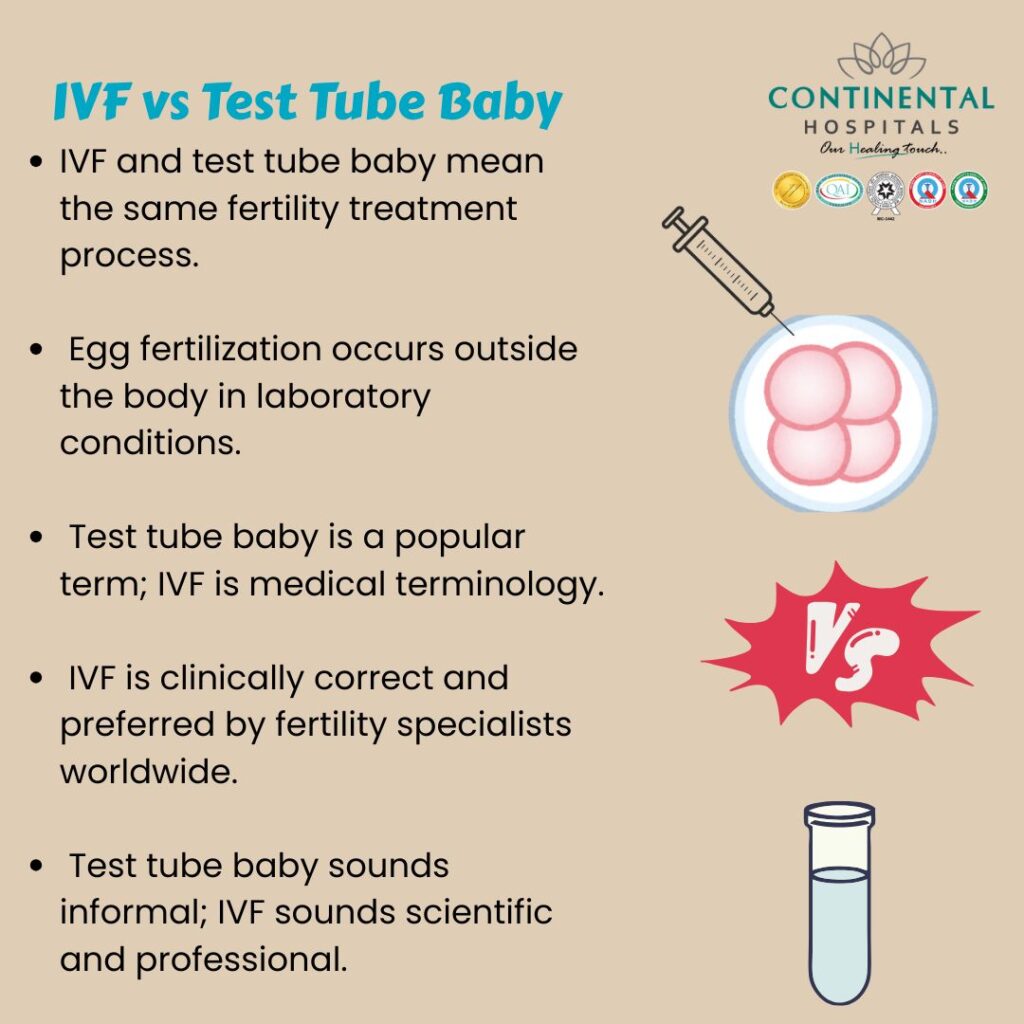
IVF (In Vitro Fertilization) is a more advanced fertility treatment where eggs and sperm are combined in a laboratory to create embryos. The fertilized embryo is then transferred into the woman’s uterus.

The IVF process usually involves:

• Hormonal stimulation to produce multiple eggs
• Egg retrieval from the ovaries
• Fertilization of eggs in a laboratory
• Embryo development and monitoring
• Embryo transfer into the uterus

IVF is commonly recommended for couples with blocked fallopian tubes, severe male infertility, or long-term infertility.

External reference:
https://www.nhs.uk/conditions/ivf/

IVF vs IUI – Key Differences

Feature IUI IVF
Procedure Sperm inserted directly into uterus Egg fertilized with sperm in lab
Complexity Simple procedure Advanced fertility treatment
Cost Lower Higher
Success Rate Lower Higher
Time Required Shorter Longer process
Recommended For Mild fertility issues Severe infertility cases

Success Rate: IVF vs IUI

Success rates vary depending on age, health, and fertility issues.

Average success rates:

IUI success rate

• 10% – 20% per cycle

IVF success rate

• 40% – 60% depending on age

IVF generally has higher success rates because fertilization happens in a controlled laboratory environment.

You can learn more about fertility health and pregnancy preparation before choosing a treatment.

[fc-blood-type]

Cost Comparison: IVF vs IUI (India)

Treatment Average Cost in India
IUI ₹10,000 – ₹25,000 per cycle
IVF ₹1,00,000 – ₹2,50,000 per cycle

The cost may vary depending on the clinic, city, and additional treatments required.

When Do Doctors Recommend IUI?

Doctors may suggest IUI in the following situations:

• Mild male infertility
• Cervical mucus problems
• Unexplained infertility
• Ovulation disorders
• Couples trying fertility treatment for the first time

The <a href=”https://www.nhs.uk/conditions/ivf/” target=”_blank” rel=”nofollow noopener”>NHS IVF treatment guide</a> explains that IVF involves fertilizing an egg with sperm in a laboratory before transferring the embryo into the uterus.

When Is IVF Recommended?

IVF may be recommended when:

• Fallopian tubes are blocked
• Severe male infertility is present
• IUI cycles have failed
• Endometriosis affects fertility
• Couples have been trying to conceive for many years

IVF vs IUI – Which One Is Better?

The answer depends on the couple’s fertility condition.

IUI may be better if:

• Fertility issues are mild
• Couples want a less expensive option
• It is the first fertility treatment attempt

IVF may be better if:

• There are serious fertility problems
• Previous IUI attempts failed
• Higher success rates are needed

A fertility specialist can evaluate the couple’s medical history and recommend the most suitable treatment.

According to the <a href=”https://www.mayoclinic.org/tests-procedures/intrauterine-insemination/about/pac-20384722″ target=”_blank” rel=”nofollow noopener”>Mayo Clinic guide on intrauterine insemination</a>, IUI improves the chances of fertilization by placing sperm directly inside the uterus during ovulation.

Tips for Couples Considering Fertility Treatments

• Consult a qualified fertility specialist
• Maintain a healthy lifestyle
• Eat a balanced fertility-friendly diet
• Manage stress levels
• Follow medical advice carefully

Understanding pregnancy preparation and reproductive health can improve the chances of successful conception.

According to the <a href=”https://www.who.int/news-room/fact-sheets/detail/infertility” target=”_blank” rel=”nofollow noopener”>World Health Organization infertility report</a>, infertility affects millions of couples worldwide and assisted reproductive technologies like IVF and IUI help many achieve pregnancy.

Conclusion

Both IVF and IUI are effective fertility treatments that have helped many couples achieve pregnancy. While IUI is simpler and more affordable, IVF offers higher success rates and is suitable for more complex fertility issues.

Choosing the right treatment depends on factors like age, medical history, and fertility diagnosis. Consulting a fertility expert is the best way to determine the most suitable option for your situation.

Diet Chart for Pregnant Women: Trimester-Wise Healthy Pregnancy Diet Plan (India)

diet chart for pregnant women healthy pregnancy foods

Pregnancy is a time when your body needs extra care, nutrients, and balanced meals to support both the mother and the growing baby. A healthy pregnancy diet ensures proper fetal development, boosts the mother’s immunity, and helps maintain energy levels throughout the nine months.

A well-planned pregnancy diet chart includes proteins, iron, calcium, folic acid, healthy fats, and fiber. The goal is not to eat more but to eat nutritious foods at the right time of the day.

This guide from Momsaathi provides a simple trimester-wise diet chart for pregnant women, along with foods to include and avoid.

Why Nutrition Is Important During Pregnancy

During pregnancy, the baby receives all nutrients from the mother. Therefore, maintaining a healthy diet becomes extremely important.

According to global pregnancy nutrition recommendations, expecting mothers should consume a diet rich in vitamins, minerals, protein, and fiber to support fetal growth and maternal health.
(Reference: https://www.who.int/news-room/fact-sheets/detail/healthy-diet)

Benefits of a healthy pregnancy diet include:

• Supports baby’s brain development
• Helps build strong bones and muscles
• Maintains healthy birth weight
• Reduces pregnancy complications
• Improves the mother’s energy levels

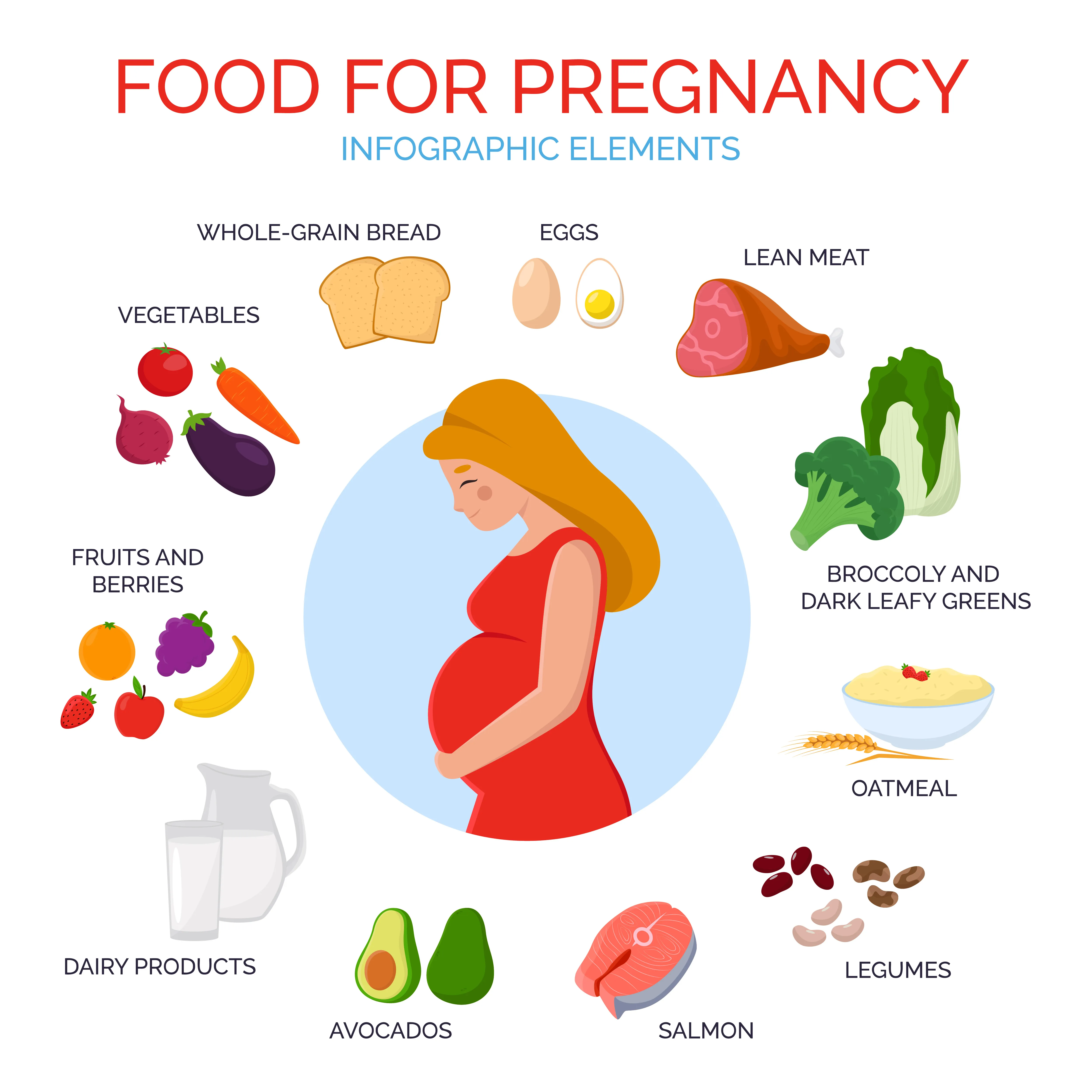
Food products recommended for pregnancy. Healthy diet

During pregnancy, the baby depends completely on the mother for nutrition. A balanced diet helps with:

• Healthy brain development of the baby
• Strong bones and teeth formation
• Maintaining healthy birth weight
• Reducing pregnancy complications
• Supporting the mother’s energy and immunity

Doctors usually recommend increasing intake of folic acid, iron, calcium, protein, and omega-3 fatty acids during pregnancy.

Following a pregnancy diet chart helps mothers maintain energy levels and support the baby’s development.

[fc-dietchart]


Trimester-Wise Pregnancy Diet Chart

Different stages of pregnancy require slightly different nutrients.


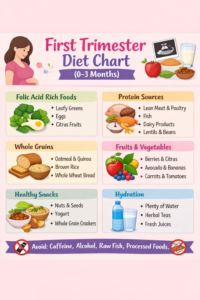
First Trimester Diet Chart (0–3 Months)

The first trimester focuses on folic acid and light nutritious foods, especially because many women experience nausea and morning sickness.

Early Morning

Warm water with lemon or soaked almonds

Breakfast

Vegetable poha / oats / whole wheat toast with peanut butter
Milk or fresh fruit smoothie

Mid-Morning Snack

Seasonal fruits (banana, apple, orange)

Lunch

Chapati or brown rice
Dal or paneer curry
Green vegetables
Curd

Evening Snack

Roasted makhana / sprouts / nuts

Dinner

Chapati with vegetable curry
Dal or grilled paneer

Bedtime

Warm milk

Important nutrients:
Folic acid, vitamin B6, iron


Second Trimester Diet Chart (4–6 Months)

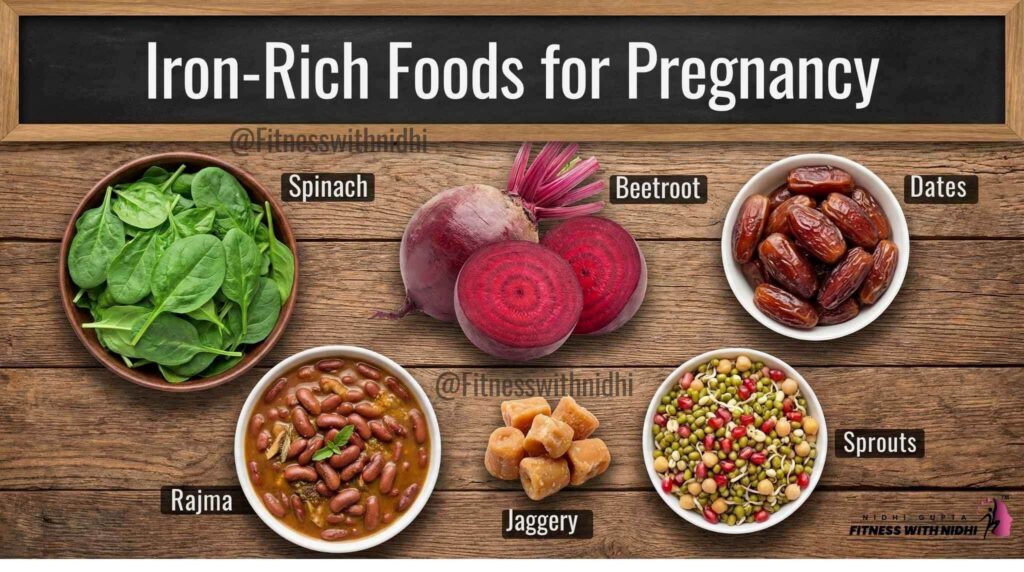
10 Best Iron Rich Indian Foods for Energy

During the second trimester, the baby’s growth accelerates. The focus should be on protein, calcium, and iron-rich foods.

Early Morning

Soaked almonds and walnuts

Breakfast

Vegetable upma / paratha with curd
Milk or fresh juice

Mid-Morning

Fruit bowl or coconut water

Lunch

2 chapatis or brown rice
Dal or rajma
Green vegetables
Salad
Curd

Evening Snack

Fruit smoothie or boiled corn

Dinner

Chapati with paneer or tofu curry
Vegetable soup

Bedtime

Milk with turmeric

Important nutrients:
Iron, calcium, protein


Third Trimester Diet Chart (7–9 Months)

Top 3 North Indian Veg Recipes for Pregnant Ladies and Kids | Cloudnine Hospital

The third trimester focuses on energy, protein, and fiber to support the baby’s final growth phase.

Early Morning

Warm water with soaked raisins

Breakfast

Vegetable oats / dosa with chutney
Milk

Mid-Morning

Fruit bowl or yogurt

Lunch

Chapati with dal
Paneer or chicken curry
Vegetables
Salad

Evening Snack

Nuts, roasted chana, or fruit smoothie

Dinner

Vegetable soup with chapati
Light protein source like paneer or lentils

Bedtime

Warm milk

Important nutrients:
Protein, calcium, fiber


Foods Pregnant Women Should Include

1–3 Month Pregnancy Diet: What to Eat in First Trimester | Apollo Cradle

Include these foods regularly in your pregnancy diet:

• Fresh fruits and vegetables
• Whole grains (oats, brown rice, whole wheat)
• Dairy products (milk, yogurt, paneer)
• Protein sources (eggs, lentils, beans, tofu)
• Nuts and seeds
• Iron-rich foods like spinach and dates


Foods to Avoid During Pregnancy

Certain foods may increase the risk of infection or complications.

Avoid the following foods:

• Raw or undercooked meat
• Unpasteurized dairy products
• High-mercury fish
• Alcohol and smoking
• Excess caffeine
• Processed and junk foods

Experts also recommend following healthy eating during pregnancy guidelines to reduce foodborne risks.
Reference: https://www.nhs.uk/pregnancy/keeping-well/foods-to-avoid/

You should also understand the foods to avoid during pregnancy to ensure a safe and healthy pregnancy.


Healthy Pregnancy Diet Tips

• Eat small meals every 2–3 hours
• Drink plenty of water
• Include protein in every meal
• Avoid skipping meals
• Limit caffeine intake
• Take prenatal vitamins recommended by your doctor

Medical experts emphasize the importance of proper pregnancy nutrition guidelines for healthy fetal development.
Reference: https://www.mayoclinic.org/healthy-lifestyle/pregnancy-week-by-week/in-depth/pregnancy-nutrition/art-20045082


Conclusion

A balanced diet plays a crucial role in ensuring a healthy pregnancy for both mother and baby. Following a trimester-wise diet chart for pregnant women helps provide essential nutrients required for fetal growth and maternal health.

You can also explore our pregnancy month by month guide to better understand how your baby grows throughout the pregnancy journey.

Remember that every pregnancy is different, so always consult your doctor or nutritionist before making major dietary changes.

Healthy Pregnancy Foods for Indian Women: Trimester-Wise Guide

weekly pregnancy diet chart for Indian moms colorful infographic

Momsaathi.com provides content for informational and educational purposes only. It is not intended to serve as a substitute for professional medical advice, diagnosis, or treatment. Always consult your gynecologist or nutritionist before making changes to your diet during pregnancy, especially if you have gestational diabetes, high blood pressure, allergies, or any health conditions. MomSaathi recommends personalized guidance for safe results.

Author: By Team MomSaathi Expert

We share the best pregnancy foods for Indian women — trimester-wise nutritious choices using everyday desi ingredients to support you and your baby.

Pregnancy foods for Indian women are trending in 2026 — with more moms focusing on natural, ayurvedic-inspired nutrition amid busy lifestyles and rising awareness of fetal development. A balanced Indian diet rich in local superfoods like dal, palak, ghee, and seasonal fruits helps meet needs for folic acid, iron, calcium, protein, and omega-3s while easing common issues like nausea or constipation.

pregnancy foods for Indian women first trimester chart with bananas spinach moong dal

[fc-dietchart]

First Trimester (Weeks 1–12):

Focus on Folic Acid, Iron & Easy Digestion Pregnancy foods for Indian women often start here — nausea makes small, frequent meals key. Light, nutrient-dense foods help manage morning sickness while providing essential nutrients.

Safe Choices:

  • Soaked almonds (4–5) + warm water or lemon first thing in the morning.
  • Whole grains like oats or dalia porridge, or veg poha.
  • Green leafy veggies: Spinach (palak) sabzi or methi paratha (in moderation).
  • Fruits: Bananas, oranges, apples, pomegranates for vitamin C & folate.
  • Lentils: Moong dal khichdi or simple soup — gentle on the stomach.

Desi Tip: Sip ginger tulsi tea or fennel (saunf) water throughout the day to ease nausea — a favorite among Bengaluru moms.

second trimester nutrition India curd paneer ragi roti almonds
Delicious Breakfast Ideas for Pregnant Women

Second Trimester (Weeks 13–26):

Boost Calcium, Protein & Energy Pregnancy foods for Indian women shine here — baby grows fast and energy often returns. Focus on building strong bones and tissues with slightly increased portions (+300 kcal approx.).

Safe Choices:

  • Dairy: Curd, paneer, milk, buttermilk — enjoy in raita, smoothies or plain.
  • Nuts & seeds: Walnuts, almonds, flaxseeds (alsi) — soaked or in homemade laddus.
  • Legumes: Rajma, chana, masoor dal curries paired with veggies.
  • Fruits: Bananas, guavas, berries (if available), sweet potatoes.
  • Whole grains: Brown rice, ragi roti, quinoa khichdi.

Desi Tip: Add 1 tsp desi ghee to dal or roti daily for healthy fats — an ayurvedic tradition for nourishment.

third trimester pregnancy foods Indian dates jaggery beetroot coconut water
Indian Diet Chart For Pregnancy A Comprehensive Nutritional Guide

Third Trimester (Weeks 27–40):

Iron, Fiber & Comfort Foods Pregnancy foods for Indian women focus on energy for labor prep and avoiding discomfort. Iron prevents anemia; fiber helps with common constipation. Eat smaller, frequent meals to reduce heartburn.

Safe Choices:

  • Iron-rich: Dates (khajoor), jaggery (gur), beetroot, spinach, chickpeas.
  • Protein: Well-cooked eggs, fish (rohu/salmon if non-veg), paneer.
  • Veggies: Bottle gourd (lauki), pumpkin, broccoli, carrots.
  • Fruits: Apples, pomegranates, ripe papaya.
  • Hydration: Coconut water, buttermilk, jeera water.

Desi Tip: Have 2–3 dates with warm milk at night — a traditional practice for natural energy and easier delivery.

The Essential Pregnancy Nutrition Checklist

Foods to Eat Regularly During Pregnancy (Indian Superfoods)

  • Dairy & ghee — for calcium & healthy fats
  • Leafy greens & lentils — for folate, iron, protein
  • Nuts & dry fruits — for energy & brain development
  • Seasonal fruits — for vitamins & hydration
  • Whole grains — for fiber & sustained energy
Ultimate Pregnancy Diet Chart: Trimester-wise Indian Food Plan (2026)
7 Protein-Rich Vegan Foods That Pack a Punch – No Meat, No Problem! - Restaurant India

Foods to Avoid or Limit

  • Raw or undercooked meat, eggs, or fish (infection risk)
  • Unpasteurized dairy or street chaat/juices
  • Excessive caffeine (limit tea/coffee to 1–2 cups)
  • Raw papaya/pineapple in large amounts
  • Fried, oily, or heavy junk food — can cause acidity & excess weight gain

When to See a Doctor or Nutritionist Immediately

  • Severe nausea/vomiting that prevents eating
  • Signs of anemia (extreme fatigue, pale skin)
  • Gestational diabetes or high BP symptoms
  • Any food allergy reactions or unusual swelling
  • For personalized plans, especially if vegetarian/vegan or managing PCOS/thyroid

Which pregnancy food are you adding this week? Share in the comments — let’s support other moms in Bengaluru, Karnataka, and across India!

Prenatal & Postnatal Yoga for Indian Moms 2026: Safe & Gentle Poses Guide

MomSaathi.com provides content for informational and educational purposes only. It is not intended to serve as a substitute for professional medical advice, diagnosis, or treatment. Always consult your gynecologist or healthcare provider before starting any yoga practice during pregnancy or postpartum, especially if you have complications, C-section recovery, high-risk pregnancy, or conditions like PCOS. Listen to your body and stop if you feel pain or discomfort.

Reviewed by: Aarti Subudhi Certified Yoga Instructor | Women’s Wellness Expert | Prenatal & Postnatal Yoga Specialist

Author: Team MomSaathi Expert

As a certified yoga instructor , therapeutic yoga certification, pranayama expertise, and a deep passion for women’s wellness, Aarti Subudhi has guided countless Indian moms through gentle, safe yoga journeys. Her approach emphasizes mindful movement, breath awareness, and emotional balance — perfect for the unique needs of pregnancy, postpartum recovery, and everyday mom life in 2026.

In this guide, we share Aarti-inspired, beginner-friendly poses tailored for Indian moms. These are gentle, low-impact, and focus on core strength, pelvic health, stress relief, and hormonal harmony.

  • Why Yoga is a Gift for Indian Moms

    Yoga supports:

    • Prenatal: Better sleep, reduced back pain, improved flexibility, stress management, and preparation for labor.
    • Postnatal: Core & pelvic floor recovery, mood lift (helps with baby blues), energy boost, and body awareness.
    • Overall: Hormonal balance (helpful for PCOS), better posture from carrying babies, and emotional resilience amid busy family life.

    Aarti often says: “Yoga is not just exercise — it’s discipline, self-love, and acceptance. Even 10 mindful minutes a day can transform how you feel as a woman and mother.”

    Top 5 Safe Prenatal Yoga Poses (1st–3rd Trimester)

    Always use props (pillows, blocks, or wall) for support. Avoid deep twists, inversions, or lying flat on your back after the first trimester.

    1. Cat-Cow Pose (Marjaryasana-Bitilasana) On all fours, inhale to arch back (cow), exhale to round spine (cat). Benefits: Relieves lower back tension, improves spinal flexibility, gently opens chest. How long: 8–10 breaths.
    2. Butterfly Pose (Baddha Konasana) Sit with soles of feet together, knees open like wings; hold feet or ankles. Benefits: Opens hips and pelvis (great for labor prep), reduces inner thigh tightness. How long: 1–3 minutes, gently flap knees if comfortable.
    3. Mountain Pose (Tadasana) Stand tall, feet hip-width, arms relaxed or raised. Benefits: Improves posture, strengthens legs, boosts confidence and balance. How long: 30–60 seconds.
    4. Supported Squat (Malasana Variation) Squat with support (hold chair or wall), heels on floor or block. Benefits: Strengthens legs, opens pelvis, aids digestion. How long: 30–60 seconds.
    5. Legs-Up-the-Wall (Viparita Karani) Lie with legs up wall, hips close to wall, bolster under hips if needed. Benefits: Reduces swelling, calms mind, relieves tired legs. How long: 5–10 minutes.

    Quick Tip from Aarti: Breathe deeply — use ujjayi or simple belly breathing to stay connected.

    Top 5 Gentle Postnatal Yoga Poses (After 6–8 Weeks or Doctor Clearance)

    Start slowly; focus on pelvic floor and core reconnection. Avoid intense abs or twists initially.

    1. Child’s Pose (Balasana) Kneel, sit back on heels, fold forward, arms extended or by sides. Benefits: Relaxes back, calms nervous system, gentle stretch. How long: 1–3 minutes.
    2. Pelvic Tilts (on back or all fours) Lie on back (or hands/knees), gently tilt pelvis to flatten lower back. Benefits: Reconnects core, strengthens pelvic floor safely. How long: 8–10 reps.
    3. Bridge Pose (Setu Bandhasana – Supported) Lie on back, knees bent, lift hips slightly with block under sacrum if needed. Benefits: Strengthens glutes, opens chest, aids posture. How long: Hold 20–30 seconds.
    4. Cat-Cow (Gentle Version) Same as prenatal, but slower and smaller range. Benefits: Mobilizes spine, releases tension. How long: 6–8 breaths.
    5. Supported Reclined Bound Angle (Supta Baddha Konasana) Lie back with pillows under knees/outer thighs, soles together. Benefits: Opens hips gently, relaxes deeply. How long: 3–5 minutes.

    Quick Tip from Aarti: Focus on breath — exhale to engage pelvic floor gently.

    Bonus: 3-Min Pranayama for Busy Moms (Anytime Stress Relief)

    • Nadi Shodhan (Alternate Nostril Breathing): Balance hormones, calm mind.
    • Bhramari (Humming Bee Breath): Reduces anxiety, great for postpartum mood.
    • Deep Belly Breathing: Lie or sit, hand on belly — inhale to expand, exhale to draw in.

    Safety & When to Start

    • Prenatal: Safe from first trimester with modifications.
    • Postnatal: Wait for doctor clearance (usually 6–8 weeks vaginal, longer for C-section).
    • Avoid: Deep backbends, inversions, intense twists, or anything causing pain/pressure.
    • PCOS moms: Gentle flows help balance hormones — consult Aarti for personalized advice.

    Final Words from Aarti Subudhi

    “Yoga teaches us self-acceptance and discipline. As moms, we give so much — give yourself the gift of mindful movement. Start small, be consistent, and watch how your body and mind respond with gratitude.”

    Ready to try? Pick one pose today and share how it felt in the comments! Which one are you starting with?

    Related Reads on MomSaathi.com:

    External Helpers:

Prenatal Yoga Poses for Easy Labor in India

Many Indian moms dream of a smooth, natural (normal) delivery — and the best exercises for normal delivery in India can help strengthen your body, improve stamina, ease labor pain, and speed recovery. The key: gentle, doctor-approved pregnancy workouts that are safe in all trimesters.

Momsaathi.com provides content for informational and educational purposes only. It is not intended to serve as a substitute for professional medical advice, diagnosis, or treatment. Always consult your gynecologist before starting any exercise during pregnancy. Stop immediately if you feel pain, dizziness, shortness of breath, contractions, bleeding, or reduced fetal movement.

Many Indian moms dream of a smooth, natural (normal) delivery — and regular, safe exercise can help strengthen your body, improve stamina, ease labor pain, and speed recovery. The key: gentle, doctor-approved movements that suit all trimesters.

In 2026, gynecologists across India (including Karnataka) recommend low-impact activities like walking, prenatal yoga, pelvic floor exercises, and breathing techniques. These reduce risks like gestational diabetes, back pain, and prolonged labor while preparing your body for pushing.

Below is a list of the best exercises for normal delivery in India — safe for all trimesters when cleared by your doctor — with illustrations in mind, breathing tips, and clear “when to stop” signs.

1. Daily Brisk Walking (Best for All Trimesters)

Why it helps: Improves circulation, controls weight, boosts mood, and strengthens legs/hips for labor. How to do: Walk 20–30 minutes daily at a comfortable pace (talk-test: you should be able to speak full sentences). Trimester tips:

  • 1st: Start slow if nauseous.
  • 2nd/3rd: Use supportive shoes; walk in parks or indoors. Breathing: Inhale through the nose, exhale through the mouth — keep it natural. When to stop: Dizziness, chest pain, contractions, or swelling. Desi tip: Morning park walk in Karnataka — fresh air + sunlight for vitamin D.

2. Prenatal Yoga Poses (Highly Recommended in India)

Why it helps: Increases flexibility, opens pelvis, strengthens core/pelvic floor, reduces stress. Safe Indian yoga poses (always with prenatal-certified instructor or doctor approval):

  • Cat-Cow Pose (Marjaryasana-Bitilasana): On all fours, arch and round back gently. Great for back pain.
  • Butterfly Pose (Baddha Konasana): Sit with soles together, knees open — gently flap knees. Opens hips for delivery.
  • Squats (Malasana): Wide squat with support (hold chair). Strengthens thighs/pelvis.
  • Child’s Pose (Balasana): Knees wide, rest forehead on mat — relaxes lower back.
  • Corpse Pose (Savasana): Lie on left side with pillow support — deep relaxation.

Breathing technique: Ujjayi breath (ocean breath) — inhale/exhale through nose with slight throat constriction for calm focus. When to stop: Any strain, dizziness, or lying flat on the back after 16 weeks. Desi tip: Many Karnataka yoga centers offer prenatal classes — join one if possible.

3. Pelvic Floor Exercises (Kegels) – Must-Do for Every Trimester

Why it helps: Strengthens muscles for pushing, prevents incontinence, speeds recovery. How to do: Squeeze pelvic floor muscles (like stopping urine mid-flow) for 5–10 seconds, relax 5–10 seconds. Do 10–15 reps, 3 times/day. Trimester tips: Start early; increase reps in later months. Breathing: Exhale while squeezing, inhale while relaxing. When to stop: Pain or discomfort (rare if done gently). Desi tip: Do Kegels while sitting in traffic or watching TV — easy for busy moms.

4. Deep Squats & Pelvic Tilts (For Pelvic Opening & Back Relief)

Why it helps: Opens the pelvis, relieves lower back pain, and encourages the baby to descend. How to do:

  • Pelvic tilts: On all fours or standing against a wall, tilt the pelvis forward/back.
  • Deep squats: Hold chair, squat wide (Malasana style), hold 30–60 seconds. Breathing: Inhale to prepare, exhale to tilt/squat. When to stop: Knee/hip pain, instability, or doctor restriction. Desi tip: Practice while watching TV or chatting with family — common in joint homes.

5. Breathing & Relaxation Techniques (Lamaze-Style for Labor)

Why it helps: Reduces fear/pain, conserves energy during contractions. Techniques:

  • Slow deep breathing: Inhale 4 counts, exhale 6 counts.
  • Patterned breathing: Light, shallow breaths during intense contractions.
  • Visualization: Imagine the baby descending with each exhale. Desi tip: Combine with bhramari pranayama (humming bee breath) for calm — safe in pregnancy.

When to Stop Any Exercise During Pregnancy

Immediately stop and call your doctor if you experience:

  • Vaginal bleeding
  • Dizziness or fainting
  • Shortness of breath
  • Chest pain or palpitations
  • Severe headache
  • Reduced fetal movement
  • Contractions or leaking fluid

[fc-bmi-cal]

Final Tips for Indian Moms in 2026

  • Get clearance from your gynecologist before starting (especially high-risk cases).
  • Stay hydrated — sip nimbu paani or coconut water during/after exercise.
  • Wear supportive shoes & loose cotton clothes.
  • Listen to your body — rest when tired.
  • Aim for 150 minutes of moderate activity per week (spread out).

Regular exercise can make labor shorter and recovery faster — you’ve got this!

Which exercise are you trying this week? Share your experience in the comments — let’s motivate each other, Karnataka moms!

Related Articles on Momsaathi.com:

External Resources:

Week-by-Week Pregnancy Guide India: What Happens to Your Body & Baby (Weeks 1–40)

Indian pregnant mom following week by week pregnancy guide India – body changes and baby development weeks 1 to 40

Momsaathi.com provides content for informational and educational purposes only. It is not intended to serve as a substitute for professional medical advice, diagnosis, or treatment. Always consult your gynaecologist or obstetrician for personalised guidance, scans, and check-ups during pregnancy.

A week-by-week pregnancy guide, India helps you understand exactly what’s happening inside your body and with your baby at every stage. In India, especially in places like Karnataka, many moms follow this closely because family members often ask “which week are you in?” and want to know what symptoms or foods are important right now.

Pregnancy weeks are counted from the first day of your last menstrual period (LMP). This guide shows the most common changes, symptoms, baby growth milestones, and safe desi tips, trimester by trimester.

First Trimester (Weeks 1–12): Building the Foundation

This phase is the most critical since your baby’s major organs form rapidly. Meanwhile, hormones surge, which explains why early symptoms often feel intense.

Conception & Implantation (Weeks 1–4)

  • The baby develops after fertilisation and is implanted in the uterus around week 4. At this point, the neural tube (future brain and spine) begins forming.
  • Your body may show a missed period, light spotting (implantation bleeding), and mild cramps.
  • Common symptoms include fatigue and breast tenderness.
  • Desi tip: Start eating folic acid-rich foods such as palak, methi, and dal, and take your prenatal vitamin.

Heartbeat Begins (Weeks 5–8)

  • Baby now has a tiny heartbeat detectable by week 6. In addition, the brain and limbs start forming. Size grows from a sesame seed to a grape.
  • Your body experiences nausea, extreme tiredness, and mood swings.
  • Common symptoms include food aversions and heightened smell sensitivity.
  • Desi tip: Eat small meals like idli or khichdi, and sip ginger tea to ease nausea.

End of Embryonic Stage (Weeks 9–12)

  • Baby has all major organs in place; fingers and toes form. Size reaches about a lime.
  • Your body shows growing breasts and a slightly expanding uterus.
  • Common symptoms include constipation and bloating.
  • Desi tip: Use isabgol with warm water or eat papaya to improve digestion.

Second Trimester (Weeks 13–26): The “Honeymoon Phase”

Many moms feel much better during this period. For example, nausea usually fades, and energy returns.

Quick Growth (Weeks 13–16)

  • Baby develops hardening bones, hair, and eyebrows; the first flutters may be felt. Size becomes avocado-like.
  • Your body shows a visible bump; your breasts feel less tender.
  • Common symptoms include a mild backache.
  • Desi tip: Include curd, paneer, and ragi for calcium.

Feeling Kicks (Weeks 17–20)

  • Baby can hear your voice; gender is often visible on the scan. Size is about a banana.
  • Your body experiences the first kicks (quickening) and the linea nigra.
  • Common symptoms include heartburn.
  • Desi tip: Eat small meals and drink saunf water to soothe acidity.

Rapid Weight Gain (Weeks 21–26)

  • Baby develops maturing lungs and fat layers. The size grows to that of a cauliflower.
  • Your body may show stretch marks.
  • Common symptoms include swelling and Braxton Hicks contractions.
  • Desi tip: Elevate legs and drink coconut water.

[fc-bmi-cal]

Third Trimester (Weeks 27–40): Preparing for Birth

Baby gains weight quickly while your body gets ready for labour.

Brain & Lung Maturation (Weeks 27–32)

  • Baby has rapid brain growth and maturing lungs. Size reaches pineapple.
  • Your body experiences shortness of breath and frequent urination.
  • Common symptoms include insomnia.
  • Desi tip: Sleep on your left side and drink turmeric milk.

Positioning for Birth (Weeks 33–36)

  • Baby hardens bones (except skull) and often moves head-down. Size is honeydew-like.
  • Your body feels pelvic pressure and a nesting instinct.
  • Common symptoms include more frequent Braxton Hicks.
  • Desi tip: Eat dates daily and try gentle perineal massage.

Full-Term Readiness (Weeks 37–40)

  • Baby is now full-term with ready lungs. Size is watermelon-like.
  • Your body shows mucus plug discharge and early contractions.
  • Common symptoms include loose stools.
  • Desi tip: Stay hydrated and prepare your hospital bag.

Final Note for Indian Moms: Every week in this week-by-week pregnancy guide, India brings new changes. Therefore, enjoy them, attend all antenatal checks (PMSMA on the 9th), and trust your doctor. You’re doing something miraculous!

Which week are you in right now? Share your current symptoms or favourite desi tip in the comments — let’s support each other, Karnataka moms!

Related Articles on Momsaathi.com:

External Resources:

Common Pregnancy Myths in India Busted by Doctors in 2026 – Facts Every Mom Should Know

Safe gentle oil massage during pregnancy India – debunking myth of no oil massage in 2026

Momsaathi.com provides content for informational and educational purposes only. It is not intended to serve as a substitute for professional medical advice, diagnosis, or treatment. Always consult your gynecologist or obstetrician for personalized guidance during pregnancy. Never follow myths that could risk your health or your baby’s.

In Indian homes, pregnancy comes with a flood of well-meaning advice from family elders: “Don’t eat papaya,” “No oil massage,” “Stay indoors during eclipse,” or “Eat for two!” While love is behind it, many of these common pregnancy myths India are outdated or even harmful. In 2026, with better access to evidence-based care (like PMSMA specialist visits), it’s time to separate myth from medical fact.

Here are 12 popular pregnancy myths India busted by gynecologists and experts — with clear Myth vs. Fact breakdowns and why they persist in desi families.

Myth 1: Eating Papaya or Pineapple Causes Miscarriage

Myth: Many Indian families warn that papaya (especially green) or pineapple causes “heat” in the body and miscarriage. Fact: Ripe papaya and pineapple in moderation are safe and nutritious (rich in vitamin C, fiber, and enzymes that ease constipation). Only large amounts of unripe papaya contain latex (papain), which can stimulate uterine contractions in theory — but normal ripe consumption poses no risk. Doctor quote: “Ripe papaya is safe and even recommended for digestion during pregnancy,” says Dr. Manjula Anagani, renowned gynecologist (paraphrased from recent expert discussions). Desi tip: Enjoy ripe papaya as a snack — it helps with bloating common in Indian diets.

Myth 2: Pregnant Women Must “Eat for Two” (Double Portions)

Myth: You’re carrying a baby, so double your food intake for strength. Fact: You need only ~300–500 extra calories per day (second/third trimester), focusing on quality — not quantity. Overeating leads to excess weight gain, gestational diabetes risk, and harder delivery. Doctor quote: “Quality nutrition over quantity is key,” notes experts from NHM India guidelines. Desi tip: Stick to balanced thalis with dal, sabzi, curd, and seasonal fruits — no need for extra ghee laddoos every meal!

Myth 3: No Oil Massage or Coconut Oil During Pregnancy

Myth: Oil massage (especially on belly) harms the baby or causes stretch marks permanently. Fact: Gentle oil massage (coconut or sesame) improves circulation, reduces stretch marks, and relaxes muscles — it’s safe and even recommended by many gynecologists if done lightly. Avoid heavy pressure or hot oil. Doctor quote: “Moderate oil massage is beneficial for skin and relaxation,” per recent gynecologist advice. Desi tip: Use warm coconut oil post-bath — a traditional practice that’s safe when gentle.

Myth 4: Pregnant Women Should Avoid All Exercise and Stay in Bed Rest

Myth: Any activity or exercise can cause miscarriage or harm the baby. Fact: Moderate exercise (walking, prenatal yoga, swimming) is encouraged — it boosts mood, controls weight, reduces gestational diabetes risk, and eases labor. Bed rest is only for high-risk cases. Doctor quote: “Safe activity is one of the best things you can do,” says Dr. Preethika Shetty (gynecologist insights). Desi tip: Try 20–30 min daily walks or yoga — many Karnataka moms find it energizing.

Myth 5: Heartburn Means Your Baby Will Have Lots of Hair

Myth: Severe acidity/heartburn predicts a hairy baby. Fact: Heartburn is due to progesterone relaxing the esophageal sphincter — no link to baby’s hair. It’s common but treatable with small meals and avoiding spicy/oily food. Doctor quote: “This is pure folklore — no scientific basis,” experts clarify. Desi tip: Avoid late-night heavy meals; sip fennel (saunf) water.

Myth 6: The Shape of Your Belly Predicts Baby’s Gender

Myth: High bump = girl; low bump = boy (or cravings for sweets vs. salty). Fact: Belly shape depends on muscle tone, baby position, and uterine growth — not gender. Only ultrasound or NIPT confirms. Doctor quote: “Belly shape has zero relation to gender,” per multiple gynecologists.

Myth 7: Pregnant Women Should Not Drink Water After Sunset or in Evening

Myth: Evening water causes swelling or harms baby. Fact: Hydration is crucial (8–10 glasses/day) — dehydration worsens swelling, constipation, and fatigue. Drink freely unless doctor restricts. Desi tip: Sip nimbu paani or coconut water anytime.

Myth 8: Avoid All Cold Foods (Curd, Buttermilk, Ice Cream)

Myth: Cold foods cause cough/cold in baby or miscarriage. Fact: Pasteurized curd/buttermilk are excellent calcium sources — safe and recommended. No evidence links them to harm. Doctor quote: “Dairy is essential for bone development,” ICMR guidelines confirm.

Myth 9: Pregnant Women Should Not Attend Weddings or Auspicious Events

Myth: “Evil eye” (nazar) or crowds harm the baby. Fact: No scientific basis — enjoy social events in moderation for mental health. Desi tip: Stay hydrated and rest if tired — crowds don’t cause issues.

Myth 10: Spicy Food Harms the Baby or Causes Dark Skin

Myth: “Hot” foods like chili burn the baby or darken skin. Fact: Moderate spice is fine — no effect on baby’s skin color (genetic). Avoid excess if it causes acidity.

Myth 11: Stay Indoors During Solar Eclipse to Avoid Birth Defects

Myth: Eclipse causes defects or miscarriage. Fact: No scientific link — eclipses are astronomical events with no biological impact on pregnancy. Doctor quote: “No evidence of harm from eclipses,” WHO-aligned experts confirm.

Myth 12: Pregnant Women Should Not Cut Hair or Nails

Myth: Cutting hair/nails shortens baby’s life or causes weakness. Fact: Pure superstition — grooming is safe and boosts mood/self-care.

Final Words for Indian Moms in 2026

Pregnancy myths India often come from love and tradition, but blindly following them can cause unnecessary worry or harm. In 2026, trust science, your gynecologist, and evidence-based care (like PMSMA visits). You’ve got this — focus on joy, nutrition, and rest!

Which pregnancy myth did your family tell you? Share in the comments — let’s bust more together, Karnataka moms!

Related Articles on Momsaathi.com:

External Resources:

Foods to Eat During Pregnancy in India for a Healthy Baby (Month-by-Month Guide 2026)

Pregnant Indian mom eating nutritious pregnancy foods like ragi porridge and dal for healthy baby in first trimester

Momsaathi.com provides content for informational and educational purposes only. It is not intended to serve as a substitute for professional medical advice, diagnosis, or treatment. Always consult your gynecologist or nutritionist for a personalized pregnancy diet plan, especially if you have gestational diabetes, anemia, or other conditions.

Pregnancy is a beautiful journey, but in India, many moms face questions like: “What should I eat for a healthy baby?” or “Is ragi safe in the first trimester?” The good news? A balanced Indian diet with everyday desi superfoods (ragi, dal, jaggery, seasonal fruits, and more) can provide all the nutrients you and your baby need.

This month-by-month guide focuses on trimester-wise needs (aligned with ICMR/NHM recommendations): folic acid & iron in early months, calcium & protein in the middle, and energy + iron in the later stages. Aim for 2,200–2,500 extra calories daily (sedentary to moderate activity), plus plenty of water (8–10 glasses).

First Trimester (Months 1–3): Focus on Folic Acid, Iron & Managing Nausea

Your baby’s brain, spine, and organs form rapidly. Combat nausea with small, frequent meals.

Top Foods to Eat:

  • Folic acid-rich: Spinach (palak), methi, lentils (dal), oranges, guava, fortified atta.
  • Iron boosters: Jaggery (gur), dates (khajur), beetroot, pomegranate, ragi porridge.
  • Easy on stomach: Idli, khichdi, moong dal soup, ginger tea (adrak chai), roasted poha.
  • Hydration & anti-nausea: Coconut water, lemon water, tulsi tea.

Sample Daily Meal Ideas:

  • Early morning: Warm water + 4–5 soaked almonds.
  • Breakfast: Oats/upma with veggies or idli-sambar.
  • Mid-morning: Banana or seasonal fruit (apple/guava).
  • Lunch: Rice + dal + palak sabzi + curd.
  • Evening: Jeera water + handful of nuts.
  • Dinner: Khichdi with ghee + curd.
  • Bedtime: Warm milk with turmeric.

Tip for Karnataka moms: Ragi malt (thin porridge) with jaggery is gentle and iron-packed – perfect for nausea days.

Second Trimester (Months 4–6): Build Bones & Boost Energy

Baby grows fast – increase calcium, protein, and healthy fats.

Top Foods to Eat:

  • Calcium superstars: Curd, paneer, milk, sesame seeds (til), ragi, almonds.
  • Protein powerhouses: Dal (moong, masoor, chana), paneer, eggs (if non-veg), sprouts.
  • Omega-3 & healthy fats: Walnuts, flaxseeds (alsi), ghee (in moderation), fish (if non-veg & low-mercury).
  • Iron + vitamin C combo: Beetroot + lemon, jaggery + amla, spinach + tomato.

Sample Daily Meal Ideas:

  • Early morning: Soaked walnuts + warm water.
  • Breakfast: Whole wheat paratha with paneer bhurji + curd.
  • Mid-morning: Mixed fruit chaat (pomegranate, banana, apple).
  • Lunch: Brown rice + rajma/chole + palak paneer + raita.
  • Evening: Ragi laddoo or roasted makhana.
  • Dinner: Roti + dal + seasonal sabzi (lauki/bhindi) + buttermilk.
  • Bedtime: Warm milk with dates.

Tip: Add 1–2 tsp ghee daily for brain development – a traditional Indian favorite.

Third Trimester (Months 7–9): Energy, Iron & Prepare for Delivery

Focus on preventing anemia, swelling, and constipation while sustaining energy.

Top Foods to Eat:

  • Iron & energy: Dates (7–8 daily), jaggery, dried apricots, leafy greens, lentils.
  • Fiber for constipation: Oats, whole grains (jowar/bajra roti), papaya, figs (anjeer).
  • Calcium & vitamin D: Milk products, ragi, sunlight exposure (15 min/day).
  • Hydration boosters: Coconut water, nimbu paani, buttermilk.

Sample Daily Meal Ideas:

  • Early morning: Warm water + soaked figs + almonds.
  • Breakfast: Ragi dosa + chutney or poha with peanuts.
  • Mid-morning: Fresh coconut water or pomegranate juice.
  • Lunch: Roti + mixed dal + methi sabzi + curd.
  • Evening: Dates with milk or fruit salad.
  • Dinner: Vegetable khichdi + ghee + raita.
  • Bedtime: Turmeric milk with jaggery.

Tip: Dates + warm milk is a classic for natural energy and easier labor – many Indian moms swear by it.

General Foods to Eat & Avoid During Pregnancy in India

Eat More:

  • Seasonal fruits/veggies (5 portions/day)
  • Whole grains (ragi, jowar, bajra, brown rice)
  • Dals & pulses (4–5 types/week)
  • Dairy (curd, paneer, milk – pasteurized)
  • Nuts/seeds (handful daily)
  • Ghee (2 tsp/day)

Avoid or Limit:

  • Raw/undercooked meat/eggs/fish
  • Unpasteurized dairy
  • Excessive caffeine (>200 mg/day)
  • High-mercury fish
  • Street food/junk (risk of infection)
  • Alcohol & tobacco (zero safe amount)

Final Tips for Indian Moms in 2026

  • Eat small, frequent meals to manage nausea & acidity.
  • Include vitamin C with iron foods for better absorption.
  • Stay hydrated – dehydration worsens swelling & constipation.
  • Take prenatal supplements (folic acid, iron, calcium) as prescribed.
  • Consult your doctor for personalized plans, especially if vegetarian or anemic.

Which desi superfood are you loving during pregnancy? Share your favorite recipe in the comments – let’s inspire each other, Karnataka moms!

Related Articles on Momsaathi.com:

  • Preparing for delivery? Read our Pregnancy Tips India 2026.
  • For newborn nutrition, check Baby Care Trends India 2026.

External Resources:

15 Early Pregnancy Symptoms You Should Never Ignore in the First Trimester (India Guide)

"Indian mom experiencing early pregnancy symptoms first trimester – gentle hand on belly"

Momsaathi.com provides content for informational and educational purposes only. It is not intended to serve as a substitute for professional medical advice, diagnosis, or treatment. Always consult your gynecologist or obstetrician immediately if you experience any concerning symptoms during pregnancy. Never ignore warning signs — early medical attention can make a big difference.

The first trimester (weeks 1–12) is a magical yet sensitive time. Your body is working hard to grow a tiny human, and many changes happen quickly. While some symptoms are completely normal, others can be red flags that need your doctor’s attention right away.

As Indian moms (especially in Karnataka and other regions), we often hear a lot of family advice — but it’s important to separate myths from medical facts. Below is a clear checklist of 15 early pregnancy symptoms first trimester India moms commonly experience, which ones are normal, which are warning signs, and safe desi home remedies that many gynecologists approve.

Normal & Common Early Pregnancy Symptoms (Usually Not a Cause for Worry)

These are typical in the first 12 weeks and often ease after week 13.

1. Missed Period

The very first sign for most women. If your cycle is regular and you miss a period, take a home pregnancy test.

2. Nausea & Morning Sickness

Very common (affects ~70–80% of pregnancies). Safe Indian home remedy: Sip ginger tea (adrak chai), eat small amounts of roasted jeera water, or suck on elaichi (cardamom) — all doctor-approved for mild nausea. Ginger is widely supported as a safe remedy for pregnancy nausea .

3. Extreme Fatigue

You may feel exhausted even after sleeping 10 hours. Safe remedy: Rest whenever possible, take short naps, drink coconut water for natural electrolytes.

4. Tender or Swollen Breasts

Hormones cause sensitivity and tingling. Wear a soft cotton bra and avoid tight clothes.

5. Frequent Urination

Your growing uterus presses on the bladder. Drink plenty of water but don’t cut fluids.

6. Food Aversions & Cravings

Suddenly hating certain smells (garlic, onion) or craving sour things (imli, green mango). Normal — listen to your body.

7. Mood Swings & Emotional Sensitivity

Hormonal rollercoaster. Talk to your partner or family; light walks or meditation help.

8. Mild Headaches

Often due to dehydration or hormones. Safe remedy: Rest in a cool room, apply warm coconut oil on temples, drink tulsi water.

9. Light Spotting (Implantation Bleeding)

Very light pink/brown spotting around week 4 is usually harmless. Monitor and inform your doctor.

10. Bloating & Mild Constipation

Progesterone slows digestion. Safe Indian remedy: Eat fibre-rich foods (papaya, oats, isabgol with warm water at night).

Red-Flag Early Pregnancy Symptoms – Call Your Doctor Immediately

These first trimester warning signs should never be ignored — contact your gynecologist or go to the hospital right away .

11. Severe Abdominal Pain or Cramping

Mild cramps are normal, but sharp, one-sided, or constant pain could indicate ectopic pregnancy or miscarriage risk.

12. Heavy Bleeding (More Than Light Spotting)

Bright red blood, clots, or soaking a pad — this is a medical emergency .

13. Severe Vomiting (Cannot Keep Anything Down)

Hyperemesis gravidarum needs medical help to prevent dehydration.

14. High Fever (Above 100.4°F / 38°C) with Chills

Infection risk is serious in early pregnancy.

15. Dizziness, Fainting, or Severe Shortness of Breath

Could indicate low blood pressure, anemia, or other complications.

Quick Checklist: When to Call Your Doctor in the First Trimester (India)

Call immediately if you experience:

  • Heavy bleeding or passing clots
  • Severe one-sided abdominal pain
  • Persistent vomiting (more than 3–4 times/day)
  • High fever or signs of infection
  • No fetal heartbeat on early scan (if already confirmed pregnancy)
  • Sudden swelling in hands/face (can signal preeclampsia early)

In India, you can also reach out to government helplines (108/102) or visit the nearest government hospital/PMSMA camp if private care is delayed.

Safe Indian Home Remedies for Mild First Trimester Discomfort (Doctor-Approved)

  • Ginger tea or lemon-ginger water → Nausea
  • Coconut water + pinch of black salt → Fatigue & hydration
  • Warm milk with turmeric (haldi doodh) → Mild headaches & inflammation
  • Jeera (cumin) water → Bloating & digestion
  • Tulsi leaves chewed or tea → Mild cold/immune support
  • Isabgol (psyllium husk) with warm water at night → Constipation

Always check with your gynecologist before trying any remedy — even natural ones can interact with prenatal vitamins.

Final Note for Indian Moms

The first trimester can feel overwhelming, especially with family advice coming from all sides. Trust your body, listen to your doctor, and don’t hesitate to seek help. You’re doing an incredible job growing a little life.

Have you experienced any of these early pregnancy symptoms first trimester India? Which one worried you the most? Share in the comments — let’s support each other, Karnataka moms and beyond!

Related Articles on Momsaathi.com

External Resources (for more reading):

High Risk Pregnancy Tips India 2026: Essential Guide for Safe Management & Care

High Risk Pregnancy Tips India 2026 guide for safe management

Momsaathi.com provides content for informational and educational purposes only. It is not intended to serve as a substitute for professional medical advice, diagnosis, or treatment. Always consult your obstetrician, gynecologist, or maternal-fetal medicine specialist immediately for personalized guidance on high-risk pregnancy. Never ignore symptoms — seek urgent care if needed.

A high-risk pregnancy means extra monitoring is needed due to factors that could affect mom or baby — but with proper care, most result in healthy outcomes. In India in 2026, nearly half of pregnancies involve some risk (e.g., anemia, hypertension, gestational diabetes, multiples, advanced/teenage maternal age, or pre-existing conditions like thyroid issues). Government programs like Pradhan Mantri Surakshit Matritva Abhiyan (PMSMA) offer free specialist check-ups on the 9th of every month, making expert care more accessible.

High-risk doesn’t mean fear — it means proactive steps for safety. Here’s a practical guide with essential high-risk pregnancy tips for India 2026 to help you navigate confidently.

1. Prioritize Frequent & Specialized Prenatal Check-Ups

Regular monitoring is the #1 way to catch issues early.

  • Attend every scheduled appointment — often more frequent (every 1–2 weeks in later trimesters).
  • Use PMSMA camps for free specialist consultations (OB-GYNs check blood pressure, sugar, anemia, fetal growth).
  • Expect more tests: Ultrasounds, Doppler for blood flow, non-stress tests, blood work (sugar, thyroid, hemoglobin), fetal monitoring.
  • Track at home: Daily blood pressure/sugar if advised, count fetal movements (10 movements in 2 hours after meals — report drops immediately).

For Karnataka moms: Many government hospitals and private clinics in Bengaluru offer high-risk units — book early.

2. Follow a Nutrient-Rich, Balanced Diet Tailored to Your Needs

Nutrition combats common risks like anemia (very prevalent in India) and gestational diabetes.

  • Iron-rich foods (for anemia): Jaggery, dates, spinach (palak), beetroot, ragi, lentils (dal), pomegranate — pair with vitamin C (lemon/nimbu) for absorption.
  • Protein & calcium: Paneer, curd, milk, eggs, dals, nuts — support baby growth and prevent low birth weight.
  • Controlled carbs (if diabetic risk): Small, frequent meals with whole grains (brown rice, millets), veggies, and avoid excess sweets/junk.
  • Prenatal vitamins/supplements: Take folic acid, iron, and calcium as prescribed — never skip.
  • Hydrate well: 8–10 glasses of water + coconut water/nimbu paani to maintain amniotic fluid.

Avoid: Raw/undercooked foods, unpasteurized dairy, excessive salt/caffeine. Home-cooked desi meals are best.

3. Manage Rest, Stress & Safe Activity Levels

Rest is medicine, but complete bed rest is only if the doctor advises.

  • Rest smartly: Elevate legs to reduce swelling, sleep on left side for better blood flow, aim for 7–9 hours nightly + short naps.
  • Gentle movement: Doctor-approved walking, prenatal yoga (focus on breathing/pelvic floor), or light stretches — improves circulation, mood, and controls weight/BP.
  • Stress reduction: Meditation, deep breathing, light music, family support — high stress worsens risks like preeclampsia.
  • Avoid: Heavy lifting, strenuous work, long standing, travel in later stages without clearance.

In joint families: Accept help for chores — prioritize your health.

4. Monitor & Respond to Warning Signs Promptly

Know red flags — act fast to prevent complications like preterm labor or preeclampsia.

  • Severe headache, vision changes, upper abdominal pain, swelling (hands/face), high BP — could be preeclampsia.
  • Bleeding, severe cramps, leaking fluid, reduced fetal movements — immediate hospital visit.
  • Fever, persistent vomiting, and signs of infection.
  • For diabetes/hypertension: Track levels daily if advised.

Tip: Keep emergency contacts (doctor, hospital, ambulance) handy. In India, call 108/102 for free transport.

5. Emotional & Mental Health Support – You’re Not Alone

High-risk can bring anxiety — address it.

  • Talk openly: Share worries with partner/family/doctor.
  • Join support groups (online or hospital-based for high-risk moms.
  • Practice self-care: Hobbies, short walks, positive affirmations.
  • If sadness persists: Seek counseling — maternal mental health is key.

Many moms share: “Closer monitoring gave me peace — baby arrived healthy!”

Bonus: Pre-Pregnancy Steps to Lower Risks (If Planning Future)

  • Manage chronic conditions (diabetes, BP, thyroid).
  • Achieve a healthy weight/BMI.
  • Folic acid starts 3 months before.
  • Quit smoking/alcohol/tobacco.

[fc-bmi-cal]

Your High-Risk Pregnancy Mantra 2026

Follow your doctor’s plan, listen to your body, and seek support early. With India’s improving care (PMSMA, SUMAN schemes), outcomes are better than ever.

What’s one tip helping you right now? Share in comments — Karnataka moms, let’s support each other!

Resources:

FAQ’s on High Risk Pregnancy in India

What makes a pregnancy high-risk?

A pregnancy is considered high-risk when the mother or baby has medical conditions that increase the chance of complications.

Yes, with proper medical monitoring and early intervention, many women with high-risk pregnancies have healthy deliveries.

Doctors may recommend more frequent visits, sometimes every 1–2 weeks, depending on the condition.

Severe headaches, bleeding, high blood pressure symptoms, and reduced baby movement require immediate medical attention.

A pregnancy is considered high-risk when the mother or baby has medical conditions that increase the chance of complications.

Yes, with proper medical monitoring and early intervention, many women with high-risk pregnancies have healthy deliveries.

Doctors may recommend more frequent visits, sometimes every 1–2 weeks, depending on the condition.

Severe headaches, bleeding, high blood pressure symptoms, and reduced baby movement require immediate medical attention.