When Can I Know the Sex of the Baby? Timeline & Testing Guide

When Can I Know the Sex of the Baby? Timeline & Testing Guide

Edited by: MomSaathi Editorial Team

Reviewed by: Board-certified Obstetricians and prenatal screening experts

The moment you see that positive pregnancy test, your mind starts racing. You wonder about nurseries, tiny outfits, and names. But the biggest question of all usually is: “Is it a boy or a girl?”

Waiting for the big reveal is one of the most exciting (and sometimes impatient) parts of the journey. While old wives’ tales might suggest your cravings or the shape of your “bump” hold the secret, science has a much more reliable timeline.

If you are wondering when can I know the sex of the baby, you aren’t alone. In this guide, we’ll walk through the medical milestones, the different types of tests available, and the earliest dates you can circle on your calendar.

When Can You Actually Find Out?

While the baby’s sex is determined the very second the sperm meets the egg, it takes time for the physical characteristics to develop enough for us to see them.

Generally, most parents find out the sex during the mid-pregnancy ultrasound, which typically happens between 18 and 22 weeks. However, with modern technology, there are ways to find out much earlier.

The Timeline of Discovery

1. Noninvasive Prenatal Testing (NIPT) – 10+ Weeks

This is currently the earliest way to know the sex through a medical screen. The NIPT is a simple blood test that looks for tiny fragments of the baby’s DNA in your bloodstream.

  • Reliability: Over 99% accurate for sex determination.

  • Primary Purpose: To screen for chromosomal conditions like Down syndrome.

2. Nuchal Translucency (NT) Scan – 11 to 13 Weeks

During this first-trimester ultrasound, some technicians may look at the “nub” (the early genital development). While it’s fun to guess, it is far less reliable than later scans.

3. Mid-Pregnancy Anatomy Scan – 18 to 22 Weeks

This is the “gold standard” for most families. By this stage, the external genitalia are fully formed.

  • The “Wait” Factor: Sometimes, a shy baby might be curled up or crossing their legs, making it impossible for the sonographer to see clearly!
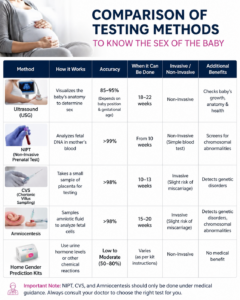
Comparison of Testing Methods

Method Earliest Timing Accuracy Type of Test
NIPT Blood Test 10 Weeks Very High Blood Draw
NT Ultrasound 11-13 Weeks Moderate Ultrasound
Anatomy Scan 18-22 Weeks High Ultrasound
Amniocentesis 15-20 Weeks 100% Invasive Procedure

Why Timing Matters

Knowing the sex isn’t just about the “reveal.” For many parents, it helps with:

  • Bonding: Giving the baby a name or a gendered pronoun can make the pregnancy feel more tangible.

  • Planning: From choosing a theme for the nursery to sorting through hand-me-downs.

  • Medical Preparedness: Some genetic conditions are linked to biological sex, so knowing early can help doctors prepare for specialized care.

Common Myths vs. Reality

In India and across the globe, there are endless myths about predicting sex. Let’s clear the air:

  • Heart Rate: Some say a fast heart rate means a girl. Reality: There is no scientific link between heart rate and sex.

  • Cravings: Sweets for a girl, spicy for a boy? Reality: Cravings are hormonal and nutritional, not gender-based.

  • The “Belly” Test: Carrying high or low. Reality: This depends on your muscle tone, body type, and the baby’s position.

A Note on Legal Regulations in India

It is important to remember that in India, the PCPNDT Act (Pre-Conception and Pre-Natal Diagnostic Techniques Act) strictly prohibits the detection or disclosure of the baby’s sex before birth.

While parents in many other countries can choose to find out, healthcare providers in India are legally bound to keep this information confidential to prevent gender-biased sex selection. The focus of every ultrasound in India remains strictly on the health and development of the baby.

Tips for the Waiting Game

If you are in a region where you are waiting for the birth to find out, or if you’ve chosen to keep it a surprise:

  1. Focus on the Milestones: Celebrate the first kick, the first heartbeat, and every clear health report.

  2. Gender-Neutral Prep: Earth tones, greens, and yellows make for beautiful, modern nurseries.

  3. The Ultimate Surprise: There is nothing quite like the moment a doctor says “It’s a…” in the delivery room!

Conclusion

The question of when can I know the sex of the baby depends largely on the type of testing you choose and the legal guidelines of your country. Whether you find out at 10 weeks, 20 weeks, or on the day of delivery, the most important part of the journey is a healthy pregnancy and a happy arrival.

📚 Trusted Medical Resources

For deeper clinical insights on prenatal testing and fetal development, we recommend these global health authorities:

FAQs About Knowing Your Baby’s Gender During Pregnancy

Is an ultrasound at 12 weeks accurate for sex?

It is about 70-80% accurate. Because the “nub” looks very similar for both boys and girls at this stage, most doctors recommend waiting until 18-20 weeks for a visual confirmation.

Can the NIPT test be wrong?

While extremely rare, errors can happen due to low fetal DNA in the mother’s blood or if there was a recent vanished twin. It is generally 99% accurate.

Why didn’t the sonographer tell me the sex at 20 weeks?

This usually happens if the baby is in a “breech” position or has their legs tightly tucked, blocking the view of the genitals.

Are home “gender prediction” kits reliable?

Most over-the-counter kits that use urine are not scientifically proven and are considered for “entertainment purposes only.”

Does the mother’s diet affect the baby’s sex?

No. The sex is determined solely by the chromosome carried by the father’s sperm (X or Y) at the moment of conception.


Tailbone Pain During Pregnancy: Causes, Relief & Safe Tips

tailbone pain during pregnancy relief tips

Edited by: MomSaathi Editorial Team

Reviewed by: Based on maternal health, pregnancy discomfort, and musculoskeletal guidelines from WHO & trusted medical sources

Pregnancy is a wonderful journey, but it can also be uncomfortable at times. Tailbone pain during pregnancy is a common problem that many people don’t think about.

You’re not the only one who is pregnant and has pain at the base of your spine, especially when you sit or stand. This is something that many women go through as their bodies get used to carrying a growing baby.

The good news? Most of the time, tailbone pain is normal and can be managed with simple changes to your daily life and care.

This guide will help you understand why it happens, what it feels like, and how to safely get relief.

What is Tailbone Pain During Pregnancy?

Coccyx pain, which is also called tailbone pain, happens at the very bottom of your spine. When you sit, your tailbone supports your body and helps you stay balanced.

Changes in your body during pregnancy can put extra stress on this area, which can make it hurt or feel uncomfortable.

What Makes Your Tailbone Hurt When You’re Pregnant?

There are several reasons why this pain happens during pregnancy:

1. Changes in Hormones

To get ready for childbirth, the body releases a hormone called relaxin that loosens ligaments. This can make the area around the tailbone less stable.

2. Pressure from the Baby Growing

As your baby gets bigger, your pelvis and spine have to support more weight, which puts more pressure on your tailbone.

3. Changes in Posture

Your center of gravity changes when you’re pregnant, which can make your posture bad and put stress on your lower back and tailbone.

4. Sitting for a Long Time

Sitting, especially on hard surfaces, can put pressure on the tailbone and make the pain worse.

5. Strain on Muscles and Ligaments

During pregnancy, the muscles and ligaments in the pelvic floor stretch, which can make you feel uncomfortable.

When Does Tailbone Pain Start During Pregnancy?

Tailbone pain usually starts in the second trimester, but it can start earlier or later depending on the person.

As the baby grows bigger and puts more pressure on the pelvis, it often becomes more noticeable in the third trimester.

[fc-bmi-cal]

What Does It Feel Like to Have Tailbone Pain?

You could feel:

  • A dull pain at the base of the spine
  • Pain that hurts a lot when you sit or stand up
  • Pain when walking or bending over
  • Pain that gets worse after sitting for a long time

👉 It can range from mild discomfort to pain that is more obvious.

How to Ease Tailbone Pain While Pregnant

Here are some safe and effective ways to deal with the pain:

1. Sit Up Straight

  • Sit up straight with support
  • Don’t slouch
  • Keep your feet flat on the ground

2. Use a Pillow or Cushion

A wedge or donut-shaped cushion takes pressure off the tailbone when you sit.

3. Sleep on Your Side

If you sleep on your side with a pillow between your legs, it will help relieve pressure on your lower back and tailbone.

4. Light Stretching and Exercise

Light stretching and prenatal yoga can help ease tension in the pelvic area.

5. Use Heat or Cold Packs

  • Warm compress → makes muscles relax
  • Cold pack → lessens swelling

6. Keep Moving

Walking lightly helps blood flow and makes you less stiff.

7. Don’t Sit for Too Long

Stand up and stretch every 30 to 40 minutes.

When Should You Go to the Doctor?

It’s normal to have pain in your tailbone, but you should see a doctor if:

  • The pain is getting worse or is very bad
  • You have trouble walking or sitting
  • Along with pain, there is a fever
  • You feel tingly or numb
  • Daily tasks are affected

👉 These could be signs of a more serious problem.

Is It Dangerous to Have Tailbone Pain While Pregnant?

No, most of the time. It’s a normal part of being pregnant that happens because the body changes.

But it’s important to keep an eye on symptoms to make sure there aren’t any problems.

Does Tailbone Pain Hurt the Baby?

No, your baby’s health won’t be hurt by tailbone pain.

It mostly affects how comfortable and mobile the mother is.

Does Tailbone Pain Go Away After Giving Birth?

Yes, in most cases, the pain in the tailbone gets better after giving birth.

Some women may feel a little uncomfortable for a few weeks after giving birth, but it usually goes away on its own.

How to Avoid Pain in Your Tailbone

  • Keep your posture straight
  • Keep moving
  • Sit up straight with the right support
  • Don’t lift heavy things
  • Wear comfortable shoes

Emotional Support for Moms

Pregnancy pains can be very bad, especially when they happen with other symptoms.

But keep in mind:

👉 Your body is changing in an amazing way
👉 This pain will go away soon
👉 You are not the only one

It’s just as important to take care of yourself as it is to take care of your baby

FAQ: Pain in the Tailbone During Pregnancy

Is it normal to have pain in the tailbone during pregnancy?

Yes, it happens a lot and is usually caused by changes in hormones and the body.

What makes your tailbone hurt when you’re pregnant?

The growing baby puts pressure on it, and the relaxin hormone and changes in posture are to blame.

How can I ease the pain in my tailbone while I’m pregnant?

Use cushions, keep your back straight, stay active, and try some light exercises.

When should I be worried about pain in my tailbone?

If the pain is bad, doesn’t go away, or makes it hard to do everyday things, see a doctor.

Does the pain in the tailbone go away after giving birth?

Yes, it usually gets better after the baby is born.

🔗 Expert Insights & Resources

Anteverted Uterus Meaning: Symptoms, Causes & Pregnancy Guide

Edited by: MomSaathi Editorial Team

Reviewed by: Based on women’s reproductive health and anatomical guidelines from WHO & trusted medical

You might have heard the term “anteverted uterus” if you’ve had a pelvic scan or seen a gynaecologist recently. This word can be confusing or even scary for a lot of women.

But here’s the good news: an anteverted uterus is perfectly normal and is actually the most common position for the uterus.

👉 Medical information from trusted sources like the Cleveland Clinic confirms this is a normal anatomical variation.

It gives you power to know your body. This guide will help you understand everything about an anteverted uterus in a simple, clear, and human way, whether you’re planning to get pregnant, have symptoms, or just want to know more.

What Is a Uterus That Is Anteverted?

When a uterus is anteverted, it tilts forward toward the abdomen or bladder instead of backward.

Your uterus is like a small pear-shaped organ. It naturally leans forward in most women.

👉 According to Cleveland Clinic, this forward tilt is the most common and normal position for the uterus.

Key Facts:

  • About 70–75% of women have a uterus that is tilted forward
  • It is regarded as a typical anatomical variation rather than a medical condition

👉 Additional reproductive health insights can be explored via World Health Organization.

Where the Uterus Is (Simple Explanation)

The uterus is located in the pelvis, positioned between:

  • The bladder (in the front)
  • The back of the rectum

When the uterus is anteverted:

  • The uterus leans forward toward the bladder
  • The cervix is angled a little bit backward

This position helps support natural reproductive processes such as menstruation and pregnancy.

[irp]

Uterus That Is Anteverted vs Retroverted

To get a better idea, let’s compare:

Feature Anteverted Uterus Retroverted Uterus
Direction Leans forward Leans back
Common Very common Less common
Symptoms Usually none Sometimes pain
Health Risk No health risk Not often a problem

👉 A retroverted uterus leans toward the spine, and an anteverted uterus leans toward the abdomen.

Signs of an Anteverted Uterus

Most women with an anteverted uterus don’t have any symptoms at all.

That’s why a lot of women only find out about it during a routine check-up or ultrasound.

In rare cases, you might notice:

  • Some mild pain in the pelvic area
  • Pain during sex
  • Cramps during your period

👉 Most of the time, these symptoms are caused by something else, not the position of the uterus itself.

👉 You can explore related gynecological health topics via the National Health Service.

[fc-blood-type]

Why an Anteverted Uterus Happens

The main reason is simple: you were born with it.

Some common reasons are:

1. Natural Anatomy

From birth, most women have a uterus that is tilted forward.

2. Changes During Pregnancy

The uterus gets bigger and may move on its own during pregnancy.

3. Problems with the Pelvis

Things like:

  • Endometriosis
  • Tissue that has been damaged
  • Fibroids

👉 These conditions are explained in detail by organisations like Mayo Clinic.

👉 But these things don’t cause anteversion itself; they might change the position.

Does an Anteverted Uterus Affect Pregnancy?

This is one of the most common worries, and the answer is good news:

👉 No, an anteverted uterus does NOT affect pregnancy.

  • You can get pregnant normally
  • Pregnancy goes as planned
  • Delivery is not affected

👉 Experts at Cleveland Clinic confirm it does not impact fertility or childbirth.

Does It Change How You Look When You’re Pregnant?

Some women think that having an anteverted uterus makes the baby bump show up sooner. This can happen, but it’s not a sure thing.

Things that affect how early you show up:

  • Type of body
  • Tone of muscles
  • First pregnancy compared to the second
  • The baby’s position

👉 The position of the uterus is only a small part of it.

Is an Anteverted Uterus Good or Bad?

The short answer is:

👉 It’s not good or bad; it’s just normal.

Doctors are very clear when they say that:

  • It doesn’t hurt your health
  • It doesn’t change daily life
  • It does not need treatment

How Do You Know If You Have an Anteverted Uterus?

You probably won’t feel or see it yourself.

Doctors figure out what it is by using:

1. Exam of the Pelvis

A regular check-up can tell where the uterus is.

2. Scan with Ultrasound

The tilt of the uterus is very clear on a transvaginal ultrasound.

👉 Diagnostic methods are also explained by Johns Hopkins Medicine.

When Should You Go to the Doctor?

An anteverted uterus is not dangerous, but you should see a doctor if you have:

  • Very bad pain in the pelvis
  • Sex hurts
  • Periods that are heavy or not regular
  • Strange discharge

👉 These signs could mean that you have another health problem.

Does It Need to Be Treated?

There is no need for treatment.

Because it is a normal position in the body:

  • No drugs
  • No surgery
  • No changes to your way of life

👉 Unless the symptoms are caused by something else.

Can the Position of the Uterus Change Over Time?

Yes, in some cases:

  • Pregnancy may change your position for a short time
  • As you get older, your pelvic muscles may change
  • Tilt may be affected by medical conditions

👉 But most of the time, your uterus stays in the same place throughout your life.

Common Myths About an Anteverted Uterus

Let’s clear up some things:

❌ Myth 1: It makes you unable to have children

✔ Fact: It doesn’t affect fertility

❌ Myth 2: It makes periods hurt

✔ Fact: Pain is usually caused by something else

❌ Myth 3: It needs to be treated

✔ Truth: It’s perfectly normal

Emotional Support for Women

It can be hard to hear medical terms about your body.

But keep in mind:

👉 There is no disease called an anteverted uterus
👉 There is no problem
👉 That’s just how your body is made to work

A lot of women have it and are perfectly healthy.

Tips for a Healthy Lifestyle

Even though you don’t need treatment, it’s still important to keep your reproductive health in good shape:

  • Regular visits to the gynaecologist
  • A healthy diet
  • Keep moving
  • Take care of stress
  • Track your menstrual cycles

👉 You can also explore women’s health guidance via UNICEF resources.

FAQ: Anteverted Uterus

What does “anteverted uterus” mean?

It means that your uterus is tilted forward toward your stomach, which is the most common and normal position.

Is it normal for a uterus to be anteverted?

Yes, it’s perfectly normal and happens to most women.

Is it possible for me to get pregnant with an anteverted uterus?

Yes, it doesn’t affect pregnancy or fertility.

Does it hurt?

Not usually. Pain usually comes from other problems.

Does it need to be treated?

No, it doesn’t need any treatment.

The First Trimester Survival Guide: Morning Sickness Remedies That Actually Work

Edited by: MomSaathi Editorial Team

Reviewed by: Based on trusted medical sources and maternity care practices

If you’ve found yourself scrolling through your phone while lying on the cool bathroom floor, wondering if you’ll ever enjoy the smell of coffee again—welcome to the first trimester.

Morning sickness (which we all know is a 24-hour reality) affects up to 80% of pregnant women. While it’s a sign that your pregnancy hormones are surging and your baby is growing, that doesn’t make the nausea any easier to handle. At MomSaathi, we’ve gathered the most effective, science-backed, and “tried-and-tested” remedies from around the world to help you reclaim your day.

Why Is This Happening? Understanding the “Why”

Before we dive into the cures, it helps to know the cause. The primary culprit is hCG (human Chorionic Gonadotropin), the “pregnancy hormone.” Levels peak around weeks 9–11, which is often when nausea is at its worst. Your body is also hypersensitive to smells to protect the fetus from potentially “spoiled” foods—a biological survival mechanism that unfortunately makes your fridge smell like a biohazard.

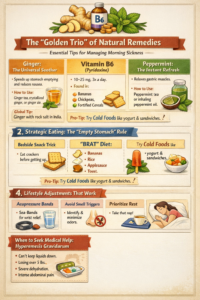
1. The “Golden Trio” of Natural Remedies

These three ingredients are used globally, from traditional Indian kitchens to modern clinical practices.

Ginger: The Universal Soother

Ginger contains gingerols and shogaols, which help speed up stomach emptying and reduce the “queasy” feeling.

  • How to use: Fresh ginger tea, crystallized ginger, or ginger ale (check that it contains real ginger).

  • Global Tip: In India, a small slice of fresh ginger with a pinch of rock salt is a classic remedy.

Vitamin B6 (Pyridoxine)

Medical professionals often recommend B6 as the first line of defense. It helps the body process certain amino acids that can reduce nausea.

  • Dosage: Usually 10–25 mg three times a day (always consult your doctor first).

  • Food Sources: Bananas, chickpeas, and fortified cereals.

Peppermint: The Instant Refresh

Peppermint relaxes the gastric muscles.

  • How to use: Sipping peppermint tea or simply inhaling peppermint essential oil from a cotton ball can provide immediate relief from “smell triggers.”

2. Strategic Eating: The “Empty Stomach” Rule

The biggest mistake many first-time moms make is letting their stomach get completely empty. When your stomach is empty, acid builds up, making nausea significantly worse.

The Bedside Snack Trick

Before you even sit up in bed, eat two or three dry crackers or a plain biscuit. This stabilizes your blood sugar and absorbs stomach acid before you start moving.

[fc-bmi-cal]

The “BRAT” Diet and Beyond

When nothing sounds good, stick to the BRAT diet:

  • Bananas

  • Rice

  • Applesauce

  • Toast

Pro-Tip for MomSaathi: Try “Cold Foods.” Hot foods often have stronger aromas. Cold sandwiches, chilled fruit, or yogurt often go down much easier than a steaming bowl of dal or soup.

3. Hydration Without the “Gulp.”

Staying hydrated is crucial, but drinking a full glass of water can often trigger a gag reflex.

  • The Sips and Chips Method: Sip water constantly rather than gulping. If water tastes “metallic,” try adding lemon slices or a cucumber.

  • Electrolytes: If you have been vomiting, you must replace salts. Coconut water is a natural, worldwide favorite for rehydration.

  • Ice Chips: Sucking on ice chips or fruit-juice popsicles provides hydration without the volume.

4. Lifestyle Adjustments That Work

Sometimes, it’s not about what you put in your body, but how you treat it.

Acupressure (Sea-Bands)

Used by sailors for centuries, “Sea-Bands” apply pressure to the P6 (Neiguan) point on the inner wrist. Many moms swear by these for 24/7 relief.

Identify Your “Smell Villains”

Common triggers include coffee, garlic, onions, and heavy perfumes.

  • The Fix: Switch to unscented soaps and ask family members to cook “aromatic” foods while you are out of the house or in another room.

Prioritize Rest

Fatigue and nausea are best friends. When you are overtired, your body’s ability to handle the “hormonal storm” weakens. Don’t feel guilty about that 2:00 PM nap.

When to Seek Medical Help: Hyperemesis Gravidarum (HG)

There is a difference between “normal” morning sickness and Hyperemesis Gravidarum. If you experience the following, please call your healthcare provider immediately:

  • Inability to keep any liquids down for 24 hours.

  • Losing more than 2kg (5 lbs) of body weight.

  • Signs of dehydration (dark urine, dizziness, fainting).

  • Severe abdominal pain.

Trusted Medical & Health Sources

Natural Remedies & Nutrition

Serious Condition Reference (HG)

Pregnancy Symptoms Week by Week: A Complete Guide for Indian Moms

Edited by: MomSaathi Editorial Team

Reviewed by: Based on medical guidelines and week-by-week pregnancy symptom research

Introduction

Finding out you’re pregnant is a whirlwind of emotions. Whether it’s something you’ve planned for years or a beautiful surprise, your body is about to begin one of the most incredible transformations of your life.

At MomSaathi, we understand that every pregnancy journey is unique. While one mom may feel energetic and glowing, another might be navigating fatigue and nausea daily. This guide walks you through pregnancy symptoms week by week, along with practical nutrition and movement tips to help you feel supported at every stage.

First Trimester: The Foundation (Weeks 1–12)

The first trimester is often called the invisible phase. You may not look pregnant yet, but internally, your body is working overtime.

Week 1–4: The Quiet Beginning

Most women don’t realize they’re pregnant until around week 4.

Common Symptoms:

  • Mild cramping (implantation)
  • Breast tenderness
  • Metallic taste in the mouth

What to Focus On:
Start prenatal care early. Include a supplement with at least 400 mcg of folic acid, which is essential for your baby’s early development.

Week 5–8: The Hormone Surge

This is when pregnancy starts to feel real—and sometimes overwhelming.

Common Symptoms:

  • Nausea (“morning sickness” that can happen anytime)
  • Extreme fatigue
  • Frequent urination

Nutrition Tip:
If full meals feel difficult, try small, frequent snacks like crackers, fruits, or ginger tea to ease nausea.

Week 9–12: The Peak of Exhaustion

Your baby is now developing rapidly, and your body is working hard to support the placenta.

Common Symptoms:

  • Mood swings
  • Heightened sense of smell
  • “Pregnancy brain” (forgetfulness)

Safe Movement:
Focus on gentle breathing and pelvic floor exercises to support your changing body.

Second Trimester: The Honeymoon Phase (Weeks 13–27)

For many moms, this is the most enjoyable phase of pregnancy.

Week 13–16: The Glow Phase

You may finally start feeling better and noticing visible changes.

Common Symptoms:

  • Increased energy
  • Visible baby bump
  • Round ligament pain

Nutrition Tip:
Increase calcium and vitamin D intake to support your baby’s growing bones.

Healthy vegetarian pregnancy meal

Week 17–20: The First Flutters

One of the most magical moments—feeling your baby move for the first time.

Common Symptoms:

  • Baby movements (quickening)
  • Increased appetite
  • Nasal congestion

Safe Movement:
Try prenatal yoga and gentle stretching. Avoid lying flat on your back for long periods.

Week 21–27: Rapid Growth

Your baby grows quickly, and your body continues to adapt.

Common Symptoms:

  • Backaches
  • Leg cramps
  • Stretch marks

Nutrition Tip:
Focus on iron-rich foods like spinach, lentils, and lean meats. Pair with vitamin C for better absorption.

Third Trimester: The Home Stretch (Weeks 28–40+)

You’re almost there! This phase is about preparation and comfort.

Week 28–32: Space Gets Tight

Your baby is growing rapidly, and space becomes limited.

Common Symptoms:

  • Shortness of breath
  • Heartburn

Nutrition Tip:
Eat smaller, frequent meals and avoid lying down right after eating.

Week 33–36: Preparing for Birth

Your body starts getting ready for labor.

Common Symptoms:

  • Braxton Hicks contractions
  • Swelling (edema)
  • Difficulty sleeping

Safe Movement:
Swimming is an excellent low-impact exercise that relieves pressure on joints.

Week 37–40+: The Final Wait

Your baby is ready to arrive anytime now.

Common Symptoms:

  • Pelvic pressure
  • Loss of mucus plug
  • Nesting instinct

Focus:
Rest as much as possible. Gentle walking and light movement can help prepare your body for labor.

Nutrition During Pregnancy: Quality Over Quantity

The idea of “eating for two” is a myth. You only need about 300–450 extra calories during later pregnancy stages.

[irp]

Essential Nutrients:

  • DHA/Omega-3: Brain development (fish, walnuts, chia seeds)
  • Protein: Cell growth (eggs, lentils, tofu)
  • Fiber: Prevents constipation (fruits, oats, legumes)

Movement as Medicine: Safe Exercises

Staying active during pregnancy offers many benefits:

  • Reduces back pain
  • Improves mood
  • Helps in smoother labor

Best Exercises:

  • Walking
  • Prenatal yoga
  • Light strength training
  • Swimming

👉 Follow the “Talk Test” Rule:
You should be able to talk comfortably while exercising.

Warning Signs You Should Not Ignore

Contact your doctor immediately if you experience:

  • Vaginal bleeding or fluid leakage
  • Severe headaches
  • Sudden swelling in hands or face
  • Reduced baby movement (after week 28)

A Note for Every Mom-to-Be

Pregnancy is a journey filled with highs and lows. Some days you’ll feel strong and radiant, while others may feel exhausting—and both are completely normal.

At MomSaathi, we believe a healthy pregnancy isn’t about perfection—it’s about connection. Listen to your body, care for yourself, and embrace every moment of this beautiful transformation.

Trusted Resources for Pregnancy Guidance

How Many Ultrasounds During Pregnancy: Recommended Number, Timing, Safety & What to Expect

how many ultrasounds during pregnancy

How many ultrasounds during pregnancy is one of the most common questions expecting parents ask. For most low-risk pregnancies, the answer is typically 1 to 2 ultrasounds — one early to confirm viability and dating, and a detailed anatomy scan in the second trimester. Major guidelines, including those from the American College of Obstetricians and Gynecologists (ACOG) and the World Health Organization (WHO), recommend at least one standard ultrasound (usually at 18–22 weeks) for all pregnancies, with additional scans only when medically necessary.

On momsaathi.com, we focus on empowering you with reliable, evidence-based information. Ultrasounds use harmless sound waves (no radiation) to provide crucial insights into your baby’s health, but they’re not meant for routine “keepsake” viewing. The exact number varies based on your health, pregnancy progress, location, and provider — high-risk cases often require more for close monitoring.

How Many Ultrasounds During Pregnancy: Key Details at a Glance

Attribute Details
Typical Number (Low-Risk) 1–2 (sometimes 3 with a growth check)
Minimum Recommended At least 1 (ACOG: standard anatomy scan at 18–22 weeks)
WHO Global Recommendation 1 before 24 weeks (for dating, anomalies, multiples)
Common Timing First trimester (8–14 weeks); Second trimester (18–22 weeks)
High-Risk Average 3–5+ (for complications like multiples, diabetes, or growth issues)
Safety Safe when medically indicated; no proven risks from diagnostic use
Main Purposes Confirm pregnancy, due date, fetal anatomy, growth, placenta position

Understanding Ultrasound Types & Their Role in Pregnancy

Ultrasounds (also called sonograms) create real-time images using high-frequency sound waves bounced off tissues. They’re non-invasive, quick (15–30 minutes), and performed by trained sonographers or obstetricians. There are three main types:

  • Standard Ultrasound — The routine one for checking fetal development and anomalies.
  • Limited Ultrasound — Shorter scans for specific issues, like heartbeat confirmation or position checks.
  • Specialized/Targeted Ultrasound — Detailed for high-risk concerns (e.g., fetal echocardiography for heart issues).

In a typical low-risk pregnancy, you won’t need specialized scans unless something arises.

Typical Ultrasound Schedule by Trimester

First Trimester (Weeks 1–12): Usually 1 Ultrasound (Optional but Common)

Many providers schedule an early ultrasound between 8–14 weeks (often 11–13 weeks for nuchal translucency screening). This “dating” or “viability” scan:

  • Confirms the pregnancy is in the uterus (rules out ectopic).
  • Detects fetal heartbeat.
  • Estimates due date more accurately than last menstrual period alone.
  • Checks for multiples.
  • Screens for early risks (e.g., nuchal translucency for chromosomal issues).

ACOG notes first-trimester ultrasounds aren’t universal but are increasingly common for better dating and reassurance. If you have spotting, pain, or history of miscarriage, this scan may come earlier (6–8 weeks).

[fc-blood-type]

Second Trimester (Weeks 13–26): The Standard Anatomy Scan (18–22 Weeks)

This is the most recommended ultrasound worldwide — often the only mandatory one per ACOG and similar guidelines. The detailed anatomy scan (or “level 2” ultrasound) checks:

  • Baby’s major organs (heart, brain, spine, kidneys, limbs).
  • Placenta position and amniotic fluid levels.
  • Fetal growth measurements.
  • Gender (if parents want to know).
  • Signs of anomalies or chromosomal issues.

It provides peace of mind and allows early intervention if needed. WHO emphasizes this scan before 24 weeks for detecting structural issues in resource-limited settings too.

Third Trimester (Weeks 27+): Usually 0–1 (or More if Needed)

Low-risk pregnancies often skip routine third-trimester ultrasounds. If done, it’s around 32–36 weeks to assess:

  • Fetal growth and estimated weight.
  • Baby’s position (head-down for delivery?).
  • Amniotic fluid volume.
  • Placenta health.

More frequent scans (every 2–4 weeks or weekly) occur in high-risk scenarios, like gestational diabetes, hypertension, preeclampsia, intrauterine growth restriction (IUGR), or multiples.

Low-Risk vs. High-Risk: How the Number Differs

  • Low-Risk Pregnancies — 1–2 ultrasounds total. Many women have just the anatomy scan if dating was confirmed early.
  • High-Risk Pregnancies — 3–5+ scans. Factors include age >35, multiples, chronic conditions (diabetes, hypertension), previous complications, or fetal concerns. Monitoring might involve biophysical profiles (combining ultrasound with non-stress tests) or Doppler for blood flow.

Studies show ultrasounds have increased over time (from ~1.5 in the 1990s to ~2.7 average per pregnancy today), but guidelines stress “prudent use” — only when clinically indicated.

Are Multiple Ultrasounds Safe? What the Evidence Says

Ultrasounds are widely regarded as safe. They don’t use ionizing radiation (unlike X-rays), and major organizations (ACOG, WHO, AIUM) confirm no proven harm from diagnostic levels when used appropriately.

  • Long-term studies (including randomized trials) show no links to birth defects, low birth weight, childhood cancer, developmental delays, or neurological issues.
  • The ALARA principle (“As Low As Reasonably Achievable”) guides providers to minimize exposure.
  • Some older animal studies raised theoretical concerns (e.g., slight growth effects from repeated exposure), but human data — including follow-ups on children exposed to multiple scans — show no significant differences in growth, speech, behavior, or development.

Non-medical “keepsake” or 3D/4D ultrasounds aren’t recommended without indication, as prolonged sessions could theoretically increase exposure (though still low risk).

For more, check ACOG’s Ultrasound Exams FAQ or WHO antenatal care recommendations.

Benefits of Ultrasounds & Why They Matter

Even with fewer scans, ultrasounds offer huge value:

  • Accurate dating reduces overdue miscalculations.
  • Early detection of multiples or anomalies allows planning.
  • Reassurance through seeing your baby’s heartbeat and movements.
  • Monitoring in high-risk cases prevents complications.

They enhance bonding and help providers tailor care.

Practical Tips for Your Ultrasound Appointments

  • Drink water beforehand (for better images in early scans).
  • Bring a support person if allowed.
  • Ask questions — providers explain findings.
  • Avoid unnecessary extras unless advised.

Your provider customizes based on your needs — discuss any concerns!

How many ultrasounds during pregnancy ultimately depends on your unique situation, but evidence supports safe, targeted use for healthy outcomes. What questions do you have about your scans? Share in the comments!

For more pregnancy guides, trimester tips, or prenatal care advice, explore momsaathi.com/category/pregnancy/. Subscribe for updates!

When to Start Eating Dates in Pregnancy: Benefits, Evidence & Tips for Moms

When to start eating dates in pregnancy is a common question among expecting moms, especially in the third trimester. Dates (the sweet fruit from the date palm) are nutrient-packed and often recommended for their potential to support a smoother labor. Research suggests starting around 36–37 weeks (late pregnancy) with about 6 dates per day may help with cervical ripening, reduce the need for labor induction, and shorten early labor stages—without proven risks for most women.

On momsaathi.com, we share evidence-based pregnancy tips to help you feel confident. Dates offer natural energy, fiber for constipation relief, and key nutrients like potassium and folate—making them a smart snack throughout pregnancy, with extra focus toward the end.

When to Start Eating Dates in Pregnancy: Key Details at a Glance

Attribute Details
Best Time to Start 36–37 weeks (third trimester, last 4 weeks before due date)
Recommended Amount 6–7 dates per day (about 70–80 grams; e.g., Medjool or Deglet Noor)
Main Benefits Labor prep (cervical dilation, spontaneous onset), fiber for digestion, natural energy, nutrients (potassium, folate, iron)
Evidence Level Supported by multiple studies (e.g., reduced induction need, shorter first-stage labor)
Safety Generally safe; no major risks reported, but consult your doctor if gestational diabetes or concerns
Calories (per 6 dates) ~300–400 (natural sugars, but low GI for steady energy)
Who Should Avoid/Moderate Those with blood sugar issues—monitor intake

Why Eat Dates During Pregnancy? Nutritional & Health Benefits

Dates are a whole-food powerhouse, especially helpful during pregnancy:

  • High in Fiber — Helps combat common pregnancy constipation (up to 6–7g per 4–6 dates).
  • Rich in Potassium — Supports blood pressure and muscle function.
  • Folate Source — Aids fetal development and reduces neural tube defect risks.
  • Natural Energy Boost — Low glycemic index (GI) means steady blood sugar without spikes—great for avoiding energy crashes.
  • Iron & Magnesium — Combats fatigue and supports overall wellness.

These perks make dates a healthy sweet treat anytime, but the labor-related benefits shine in late pregnancy.

The Evidence on Dates for Labor: What Studies Show

Multiple clinical trials and meta-analyses support eating dates in late pregnancy:

  • A key 2011 study found women eating 6 dates daily for 4 weeks before delivery had higher cervical dilation on admission, more spontaneous labor (96% vs. 79%), shorter latent phase, and less need for induction/augmentation.
  • Systematic reviews (including 2019 meta-analysis) confirm reduced gestation duration, increased cervical dilation, and shorter first-stage labor.
  • Other trials show benefits like less oxytocin use and favorable outcomes, with no adverse effects on mom or baby.

Dates contain compounds that may mimic oxytocin (labor hormone) and promote cervical ripening. Results vary, and more large-scale research is needed, but evidence is promising for easier labor.

For details, see sources like PubMed study on late pregnancy date consumption or WebMD on dates during pregnancy.

When to Start Eating Dates in Pregnancy: Timing & How Much

  • For General Pregnancy Benefits — Enjoy 2–4 dates daily from the first trimester onward (as part of a balanced diet).
  • For Labor Prep — Start at 36–37 weeks (or 4 weeks before your estimated due date). This timing aligns with studies showing effects on cervical readiness and labor progression.
  • Daily Amount — Aim for 6 dates per day (about 70–80g). Medjool dates are popular for their size and sweetness—pit them and eat plain, stuff with nuts, or blend into smoothies.

Always check with your healthcare provider first, especially if you have gestational diabetes (dates are natural sugar but low GI).

[fc-water-intake]

How to Incorporate Dates Safely

  • Snack ideas: Plain, in oatmeal, stuffed with almond butter, or in energy balls.
  • Moderation tip: High calories (~277 per 100g), so balance with other foods.
  • No proven downsides — Safe throughout pregnancy for most, with positive nutrient perks.

Why Moms Choose Dates in Late Pregnancy

When to start eating dates in pregnancy often comes down to wanting a natural way to support labor. With evidence pointing to easier onset, shorter early labor, and fewer interventions, it’s a simple, tasty addition that empowers you. Plus, the nutrients benefit you and baby all along!

If you’re in your third trimester and curious about natural prep, dates could be a game-changer. What are your go-to pregnancy snacks? Share in the comments!

For more pregnancy nutrition tips, labor prep guides, or third-trimester advice, explore our collection at momsaathi.com/category/pregnancy/. Subscribe for the latest!

Throat Pain in Pregnancy: Causes, Safe Relief & When to Seek Help

Throat pain in pregnancy (also called sore throat) is a common discomfort for many expecting moms, especially during cold/flu season or due to pregnancy changes. It often feels scratchy, dry, or burning and can make swallowing uncomfortable. In most cases, it’s mild and harmless to both mom and baby, often caused by viral infections, allergies, or acid reflux — but it can sometimes signal something that needs prompt attention, like a bacterial infection (strep throat) or other complications.

This guide explains the main causes, safe home remedies and treatments, when it’s normal vs. serious, and red flags. Always consult your obstetrician or doctor before trying remedies or medications — they can test your throat or urine if needed.

Common Causes of Throat Pain in Pregnancy

Pregnancy weakens immunity slightly (to protect the baby), making you more prone to illnesses, plus hormonal shifts and physical changes contribute.

  1. Viral Infections (Cold, Flu, COVID-19) Most common cause: Viruses like rhinovirus or influenza irritate the throat. Often with runny nose, cough, fatigue, mild fever, or body aches. Usually resolves in 7–10 days.
  2. Acid Reflux / Heartburn (GERD) Hormones relax the esophagus valve, and the growing uterus pushes stomach acid upward — affecting up to 80% of pregnant women. Causes burning throat pain (often worse after eating or lying down), plus heartburn, regurgitation, or chest discomfort.
  3. Allergies or Postnasal Drip Increased mucus from pregnancy rhinitis or seasonal allergies drips down the throat, causing irritation, scratchiness, and coughing. Often with sneezing, itchy eyes/nose, or stuffy nose.
  4. Bacterial Infections (Strep Throat) Less common but serious: Strep bacteria cause sudden, severe sore throat, fever, swollen tonsils with white patches, red spots on roof of mouth, and swollen lymph nodes. No cough/runny nose usually. Untreated strep risks kidney issues or preterm labor.
  5. Other Factors Dry air, dehydration, yelling/singing, or minor irritation from vomiting.

Is Throat Pain Normal in Pregnancy?

Yes, mild, occasional throat pain is normal and usually resolves with rest and hydration. Viral causes or reflux-related pain rarely affect the baby. Persistent or severe pain (especially with fever or swallowing difficulty) is not normal and needs evaluation.

Safe Home Remedies for Throat Pain in Pregnancy

These are generally safe and effective for relief:

  • Stay Hydrated: Drink plenty of fluids (warm water, herbal teas like chamomile/ginger/lemon — no caffeine). Warm liquids soothe the throat.
  • Gargle with Warm Salt Water: ½ tsp salt in 8 oz warm water, 2–3 times a day — reduces inflammation and kills bacteria.
  • Honey & Lemon: Add to warm tea (honey soothes; lemon adds vitamin C) — safe after 1 year old for baby exposure via breast milk.
  • Humidifier or Steam: Cool-mist humidifier or steamy shower adds moisture to air/throat.
  • Rest & Elevate Head: Prop up with pillows to reduce reflux.
  • Lozenges or Hard Candy: Sugar-free throat lozenges (menthol/phenol-based) or sucking candy keeps saliva flowing.
  • Avoid Triggers: Skip spicy/fatty foods for reflux; stay away from allergens.

Safe Treatments & Medications

Always check with your doctor first — pregnancy-safe options include:

  • Acetaminophen (Tylenol): For pain/fever (up to 3,000 mg/24 hours max).
  • Antacids (e.g., Tums, calcium carbonate): For reflux-related throat pain.
  • Famotidine (Pepcid): For acid reflux.
  • Antihistamines (e.g., Benadryl): For allergy-related pain.
  • Benzocaine/menthol sprays/lozenges (e.g., Chloraseptic): Numbs throat safely.

Avoid: Aspirin, ibuprofen (Advil/Motrin) unless doctor-approved, decongestants (pseudoephedrine), or alcohol-based products.

When to See a Doctor for Throat Pain in Pregnancy

Contact your OB-GYN or go to urgent care/hospital if:

  • Pain is severe or lasts >3–5 days.
  • Trouble swallowing or breathing.
  • High fever (≥100.4°F/38°C).
  • Swollen tonsils with white patches or pus.
  • Swollen lymph nodes in neck.
  • Rash, joint pain, or severe fatigue (possible strep or other infection).
  • Signs of preeclampsia: Swelling, headache, vision changes, upper belly pain (after 20 weeks).
  • Dehydration signs: Dark urine, dizziness, reduced fetal movement.

Routine prenatal visits include urine/blood checks — mention throat pain even if mild.

Prevention Tips

  • Wash hands often; avoid sick people.
  • Stay hydrated and eat vitamin-rich foods (fruits, veggies).
  • Use humidifier in dry seasons.
  • Manage reflux: Eat small meals, avoid lying down after eating, elevate bed head.

Throat pain in pregnancy is often mild and manageable — focus on hydration, rest, and doctor guidance for peace of mind.

Explore more on MomSaathi:

General Causes & Overview

Acid Reflux / Heartburn-Related Throat Pain

Infections (Viral & Bacterial / Strep Throat)

Allergies & Postnasal Drip

Safe Remedies & Medications

When to Seek Help

Experiencing throat pain? Share your questions in the comments — we’re here to help!

Hazy Urine in Pregnancy: Causes, When It’s Normal, and When to Worry

Hazy urine in pregnancy (also called cloudy or murky urine) is a common concern for many expecting moms. Your urine may appear milky, foggy, or less clear than usual, which can feel alarming. In most cases, it’s harmless and temporary, often due to normal pregnancy changes. However, it can sometimes signal an issue that needs attention, such as an infection or other complications.

This guide explains the main causes, what’s normal, when to contact your doctor, and simple steps to help. Always discuss any urine changes with your obstetrician or gynecologist, as they can test a sample for accurate diagnosis.

Common Causes of Hazy Urine in Pregnancy

Hazy urine often results from everyday factors during pregnancy. Here are the most frequent reasons:

  1. Dehydration Pregnancy increases fluid needs, and morning sickness, vomiting, or hot weather can lead to less water intake. Concentrated urine looks darker, hazier, or cloudier. Solution: Drink 8–10 glasses of water daily (more if active or in heat). Clear or light yellow urine is a good sign of hydration.
  2. Increased Vaginal Discharge (Leukorrhea) Hormones cause more cervical mucus and vaginal discharge, which is usually thin, milky, and odorless. It can mix with urine in the toilet, creating a hazy or cloudy appearance. This is normal and protective against infections — no treatment needed unless accompanied by itching, odor, or color changes.
  3. Dietary Factors: High intake of dairy, fruits/veggies, or certain vitamins/supplements can make urine more alkaline, leading to haziness. Foods rich in phosphates (e.g., milk, some greens) are common culprits.
  4. Urinary Tract Infection (UTI) Pregnancy makes UTIs more common (up to 8–10% of pregnancies) due to hormonal changes slowing urine flow and pressure from the growing uterus. Bacteria cause white blood cells or pus in urine, making it hazy, plus symptoms like burning, frequent urges, pelvic pain, or fever. Untreated UTIs can lead to kidney infection or preterm labor — prompt antibiotics are safe and effective.
  5. Preeclampsia (Serious Concern) In later pregnancy (usually after 20 weeks), hazy or cloudy urine with high protein levels can signal preeclampsia — a condition with high blood pressure and possible kidney/liver issues. Other signs include swelling, headaches, vision changes, or upper abdominal pain. This requires immediate medical attention to protect mom and baby.

Other less common causes: kidney stones, vaginal infections, or certain prenatal vitamins.

Is Hazy Urine Normal in Pregnancy?

Yes, occasional hazy urine is usually normal and harmless, especially in the first trimester due to:

  • Dehydration from nausea/vomiting
  • Hormonal discharge changes
  • Dietary shifts

It often resolves with more water or time. Persistent haziness (days/weeks) or haziness with other symptoms is not normal and needs checking.

[fc-walking-test]

When to See a Doctor for Hazy Urine in Pregnancy

Contact your doctor or go to urgent care/hospital right away if hazy urine comes with:

  • Pain or burning during urination
  • Frequent or urgent need to pee
  • Lower abdominal/pelvic pain
  • Fever, chills, or back pain
  • Foul-smelling urine
  • Blood in urine (pink/red/brown)
  • Swelling in hands/face, severe headache, vision changes (preeclampsia signs)
  • Decreased urine output
  • Nausea/vomiting that worsens

Routine prenatal urine tests check for protein, infection, or other issues — mention any haziness at your next visit even if no other symptoms.

Prevention and Home Tips

  • Drink plenty of water (aim for light yellow urine)
  • Practice good hygiene (wipe front to back, urinate after sex)
  • Wear cotton underwear and avoid tight clothes
  • Eat a balanced diet; limit excess dairy if haziness persists
  • Attend all prenatal check-ups (urine is tested regularly)

Hazy urine in pregnancy is often nothing serious, but stay vigilant — hydration and prompt doctor contact keep you and baby safe.

Explore more on MomSaathi:

General Causes & Overview

UTI in Pregnancy

Preeclampsia & Protein in Urine

  • Preeclampsia – Mayo Clinic (mentions protein in urine as a sign, which can make it appear cloudy/foamy)
  • Pre-eclampsia – NHS UK (high blood pressure + protein in urine as early signs)

Dehydration & Normal Changes

FAQs: Hazy Urine in Pregnancy

What does hazy urine mean during pregnancy?

Hazy or cloudy urine during pregnancy usually means there are changes in hydration, hormones, or discharge. In many cases, it is harmless and temporary.

What causes hazy urine in pregnancy?

Common causes include:

  • Dehydration
  • Vaginal discharge mixed with urine
  • Hormonal changes
  • Diet or supplements
  • Urinary tract infections (UTIs)

Is cloudy urine a sign of pregnancy?

No, cloudy or hazy urine alone is not a reliable sign of pregnancy. It can happen due to many normal or medical reasons.

When should I worry about hazy urine during pregnancy?

You should consult a doctor if hazy urine is persistent or comes with:

  • Burning sensation
  • Bad smell
  • Fever or chills
  • Lower abdominal pain
  • Blood in urine

Can dehydration cause cloudy urine in pregnancy?

Yes, dehydration is one of the most common causes. When you don’t drink enough water, urine becomes concentrated and may appear cloudy.

Can a UTI cause hazy urine during pregnancy?

Yes, urinary tract infections are a common cause of cloudy urine and may also cause pain, frequent urination, or discomfort.

Is hazy urine normal in early pregnancy?

Yes, it can be normal due to hormonal changes and increased vaginal discharge, especially in early pregnancy.

Can diet affect urine clarity during pregnancy?

Yes, certain foods, supplements, or high alkaline diets can change urine appearance and make it cloudy.

How can I treat hazy urine during pregnancy at home?

Simple steps include:

  • Drinking more water
  • Maintaining hygiene
  • Monitoring symptoms
  • Eating a balanced diet

Can hazy urine be a sign of a serious condition?

In rare cases, it may indicate conditions like kidney infection or preeclampsia, especially if accompanied by swelling, headaches, or high blood pressure.

Why Folic Acid Is Important When Planning for Pregnancy – Natural Food Sources

Edited by: MomSaathi Editorial Team

Reviewed by: Medically reviewed by a certified healthcare professional

Planning for pregnancy is an important phase in a woman’s life, and preparing your body with the right nutrients plays a crucial role in supporting a healthy pregnancy. One of the most essential nutrients during this time is folic acid, a B-vitamin that helps support the healthy growth and development of your baby even before pregnancy begins.

Understanding the importance of folic acid and including natural folate-rich foods in your diet can significantly improve maternal and fetal health outcomes.

What Is Folic Acid?

Folic acid is the synthetic form of folate (Vitamin B9), a water-soluble vitamin that helps the body produce and maintain new cells. It is particularly important during periods of rapid cell growth, such as pregnancy.

Folate plays a vital role in:

  • DNA formation
  • Red blood cell production
  • Cell division and growth
  • Development of the baby’s brain and spinal cord

Because these processes start very early in pregnancy, adequate folic acid intake before conception is essential.

Why Folic Acid Is Important When Planning for Pregnancy

One of the primary reasons doctors recommend folic acid before pregnancy is to prevent neural tube defects (NTDs). The neural tube forms the baby’s brain and spinal cord and develops within the first few weeks of pregnancy.

In many cases, women may not yet know they are pregnant during this stage. Therefore, consuming enough folic acid before conception and during early pregnancy helps reduce the risk of birth defects such as spina bifida and anencephaly.

Other benefits of folic acid include:

  • Supports healthy brain and spine development in the baby
  • Helps prevent certain birth defects
  • Supports healthy placenta formation
  • Aids in red blood cell production
  • Helps prevent anemia in the mother
  • Supports overall maternal health during pregnancy

[fc-dietchart]

Recommended Daily Intake

Health experts generally recommend the following intake:

  • 400 micrograms (mcg) per day for women planning pregnancy
  • 600 mcg per day during pregnancy

Many doctors recommend starting folic acid supplementation at least 1–3 months before trying to conceive.

Natural Foods Rich in Folate

While supplements are often recommended, many natural foods are excellent sources of folate. Including these foods in your daily meals can help improve your nutrient intake.

1. Leafy Green Vegetables

Dark leafy greens are one of the richest natural sources of folate.

Examples include:

  • Spinach
  • Kale
  • Fenugreek leaves (methi)
  • Mustard greens

They also provide iron, calcium, and antioxidants that support reproductive health.

2. Lentils and Legumes

Lentils and beans are excellent plant-based sources of folate and protein.

Good choices include:

  • Lentils (dal)
  • Chickpeas (chana)
  • Kidney beans (rajma)
  • Black beans

They are also rich in fiber and help maintain steady blood sugar levels.

3. Citrus Fruits

Citrus fruits contain natural folate and vitamin C, which helps improve iron absorption.

Examples include:

  • Oranges
  • Sweet lime (mosambi)
  • Grapefruit
  • Lemon

4. Avocados

Avocados are nutrient-dense and provide folate, healthy fats, potassium, and fiber, all of which support overall reproductive health.

5. Nuts and Seeds

Nuts and seeds contribute smaller amounts of folate but are still beneficial.

Examples include:

  • Almonds
  • Sunflower seeds
  • Flaxseeds
  • Peanuts

6. Whole Grains

Whole grains provide natural folate along with fiber and essential nutrients.

Examples include:

  • Brown rice
  • Oats
  • Whole wheat
  • Quinoa

7. Eggs

Eggs provide folate along with protein and choline, an important nutrient that supports the baby’s brain development.

Tips to Increase Folate Intake Naturally

  • Include leafy greens in daily meals such as salads, smoothies, or curries
  • Replace refined grains with whole grains
  • Eat lentils or legumes several times a week
  • Add fresh fruits and nuts as snacks
  • Choose a balanced diet rich in vegetables and plant-based foods

Final Thoughts

Folic acid is one of the most important nutrients when planning for pregnancy. Ensuring adequate intake before conception helps support healthy fetal development and significantly reduces the risk of birth defects.

By combining a balanced diet rich in natural folate sources with medical guidance on supplementation, women can better prepare their bodies for a healthy pregnancy journey.

Frequently Asked Questions (FAQs)

1. Why is folic acid important before pregnancy?
Folic acid helps prevent neural tube defects in the baby’s brain and spine. Taking it before conception ensures proper early development, even before you know you’re pregnant.

2. When should I start taking folic acid?
It’s recommended to start at least 1–3 months before trying to conceive and continue through the first trimester for maximum benefits.

3. How much folic acid should I take daily?
Most women are advised to take 400–800 mcg of folic acid daily, but your doctor may recommend a higher dose based on your health needs.

4. Can I get enough folic acid from food alone?
Foods like leafy greens, citrus fruits, beans, and fortified cereals contain folate, but supplements are usually recommended to meet the required levels.

5. What happens if I don’t take folic acid before pregnancy?
A deficiency can increase the risk of neural tube defects and other developmental issues in the baby, especially in early pregnancy.