Hybrid Parenting 2026: Gentle + Boundaries – Tips for Desi Moms Raising Kids in the USA

Desi mom using hybrid parenting 2026 gentle boundaries with child in USA

As a Desi mom raising children in the USA, you often feel the pull between traditional Indian values (strong family connection, respect for elders) and the demands of American life (independence, school rules, peer influences). In hybrid parenting 2026, many parents — including NRIs — are moving away from strict gentle parenting toward a balanced approach: gentle parenting boundaries combined with firm, loving limits.

According to Pinterest’s Parenting Trend Report 2026, searches for authoritative parenting surged +115%, positive discipline +295%, and slow motherhood +310%. This reflects parenting trends 2026: blending empathy with structure to create hybrid parenting that feels sustainable and effective, rather than exhausting permissive styles mislabeled as “gentle.”

Hybrid parenting (sometimes called authoritative parenting tips updated for today) mixes emotional validation (from gentle methods) with clear expectations and natural consequences (from authoritative roots). It’s ideal for Desi moms in the USA navigating bilingual homes, cultural expectations, and US realities like phone bans in schools.

Why Hybrid Parenting 2026 Is Gaining Traction for Indian-American Families

  • Shift from extremes: Pure gentle parenting often led to boundary issues and parental burnout. Hybrid parenting 2026 offers gentle + firm boundaries — high warmth + high demands — linked to better emotional health, self-esteem, and resilience in kids.
  • Cycle breaking parenting: Many Desi moms want to heal generational patterns (e.g., strict “fear-based respect”) while keeping cultural strengths like family closeness.
  • US context: Peer pressure, independence needs, and tech influences require consistent limits without losing empathy.
  • Research-backed: Studies show authoritative/hybrid styles yield the best outcomes — secure attachment, better social skills, and self-motivation.

Core Elements of Hybrid Parenting: Empathy Meets Structure

  1. Connect Before Correct Validate feelings first: “I see you’re upset about no more playtime — that’s hard. But bedtime is set so you can be rested for school.” Desi twist: Use “Beta, samajh rahi hoon” to bridge cultures.
  2. Clear, Consistent Boundaries Offer limited choices: “You can read or draw quietly — which one?” Explain “why” (safety, respect). Use natural consequences: Forgot lunch → learns responsibility.
  3. Positive Discipline Over Punishments Teach skills: “Hitting hurts — let’s practice using words.” Praise effort: “You calmed down quickly — that’s strong!”
  4. Co-Regulate & Model Calm Breathe together during big feelings. Incorporate simple pranayama or mantras for family calm.
  5. Cycle Breaking Parenting in Action Reflect on your upbringing, then adapt: Blend “respect elders” with open talks about emotions.

Practical Hybrid Parenting Tips for Desi Moms in the USA

  • School & Social Life: Set gentle parenting boundaries around homework/tech while validating “It’s tough when friends have different rules.”
  • Bilingual & Cultural Balance: Teach values in Hindi/English — discuss “izzat” with empathy.
  • Family Traditions: Involve kids in Diwali planning but hold safety rules.
  • Working Parents: Share load — use video calls for grandparents’ stories to reinforce connection.
  • When Challenges Arise: If meltdowns persist, consult a pediatrician or therapist.

FAQs: Hybrid Parenting for NRI Moms

Is hybrid parenting just gentle parenting with rules?

It’s an evolved authoritative parenting tips version — warmth + structure for real life.

How to start cycle breaking parenting?

Journal triggers from childhood, then try one new response (validate first).

Does it suit teens?

Yes — more listening + negotiation, but firm on safety/respect.

Family pushback?

Share benefits calmly: “This builds secure, capable kids.”

Hybrid parenting 2026 is about intentional, loving guidance — not perfection. As Desi moms in the USA, you’re uniquely positioned to blend worlds. Embrace gentle + firm boundaries, and your kids will grow confident, connected, and resilient.

What’s one boundary you’re adding this week? Share in the comments — we’re in this together! Subscribe to Momsaathi for more parenting trends 2026, gentle tips, and NRI family guides.

Toxic Parents Therapy: A Complete Guide to Healing as an Adult Child

Toxic parents therapy is specialized mental health support designed for adult children who grew up under the influence of emotionally abusive, manipulative, controlling, neglectful, or highly critical parents. Toxic parenting often involves patterns such as constant criticism, guilt-tripping, gaslighting, emotional unavailability, enmeshment, scapegoating, or conditional love. These behaviors can leave deep, long-lasting scars — low self-worth, chronic anxiety, difficulty trusting others, people-pleasing tendencies, perfectionism, fear of abandonment, or even repeating toxic patterns in adult relationships.

On momsaathi.com, we believe healing is possible and deserved. Therapy provides a safe, validating space where you can finally name what happened, process suppressed pain, rebuild self-esteem, learn healthy boundaries, and break intergenerational cycles. Many adults discover that the shame, guilt, and self-doubt they carried for years belonged to their parents — not to them.

Toxic Parents Therapy: Key Details at a Glance

Aspect Details
Who Needs It Adults raised by emotionally immature, narcissistic, abusive, or neglectful parents
Core Issues Addressed Complex trauma (C-PTSD), low self-esteem, boundary difficulties, anxiety/depression, relationship patterns
Primary Goals Emotional validation, trauma processing, boundary-setting, self-reparenting, cycle-breaking
Most Effective Therapies CBT, trauma-focused (EMDR, somatic), DBT, attachment-based, schema therapy
Signs You May Benefit Persistent guilt around family, emotional triggers, repeating criticism/control in relationships, feeling “never enough”
Expected Outcomes Increased self-compassion, healthier relationships, reduced shame, ability to limit or end contact safely

Understanding Toxic Parenting and Its Long-Term Effects

Toxic parents may display behaviors such as:

  • Relentless criticism or belittling of achievements and appearance.
  • Using guilt, silent treatment, or conditional affection to control.
  • Dismissing or invalidating your feelings (“You’re too sensitive”).
  • Treating the child as an emotional caretaker or extension of themselves.
  • Favoring one sibling (golden child) while scapegoating another.
  • Exhibiting rage, addiction, or narcissistic traits that dominate family life.

These experiences often result in complex post-traumatic stress disorder (C-PTSD) — a chronic form of trauma from prolonged relational harm rather than single events. Adult children frequently report:

  • Feeling inherently flawed or unworthy.
  • Struggling to say “no” or assert needs.
  • Attracting controlling or emotionally unavailable partners.
  • Experiencing intense guilt when setting boundaries or reducing contact.
  • Difficulty enjoying success without self-sabotage.

Therapy helps reframe these responses as intelligent survival strategies developed in childhood — not character defects.

Why Therapy Is Often Essential for Recovery

Unlike casual advice or self-help books alone, therapy offers:

  • Unbiased validation — Someone finally believes and normalizes your experience.
  • Safe emotional release — Process anger, grief, and shame without fear of retaliation.
  • Boundary education — Learn scripts and strategies for low-contact, no-contact, or structured limited contact.
  • Reparenting skills — Give your inner child the love, protection, and encouragement you missed.
  • Pattern interruption — Stop passing toxicity forward to your own children or partners.

Many people find that without professional support, the inner critic (internalized parental voice) remains loud, and self-sabotaging behaviors persist.

Most Effective Therapy Approaches for Adult Children of Toxic Parents

  1. Cognitive Behavioral Therapy (CBT) Identifies and challenges core beliefs like “I’m unlovable” or “I must earn love.” Teaches practical tools to replace self-criticism with balanced thinking.
  2. Trauma-Focused Therapies
    • EMDR (Eye Movement Desensitization and Reprocessing) — Processes specific painful memories so they lose emotional charge.
    • Somatic Experiencing / Sensorimotor Psychotherapy — Releases trauma stored in the body (tight chest, chronic tension).
    • Internal Family Systems (IFS) — Works with “parts” (e.g., the inner critic, wounded child) to bring harmony.
  3. Dialectical Behavior Therapy (DBT) Excellent for emotional regulation, distress tolerance, and interpersonal effectiveness — especially useful when family contact triggers intense reactions.
  4. Attachment-Based or Psychodynamic Therapy Explores early attachment wounds and rebuilds secure relating through the therapeutic relationship.
  5. Schema Therapy Targets deep-rooted patterns (schemas) formed in childhood, such as defectiveness, subjugation, or unrelenting standards.
  6. Group Therapy / Support Groups Adult Children of Narcissists / Toxic Parents groups reduce isolation and provide shared understanding.

Online therapy platforms and trauma-informed therapists make access easier than ever.

Signs It’s Time to Start Toxic Parents Therapy

You may be ready if you notice:

  • Family interactions consistently leave you drained, anxious, or depressed.
  • You feel guilty or selfish for wanting space or boundaries.
  • Old childhood wounds resurface during stress, parenting your own kids, or romantic conflicts.
  • You struggle with self-compassion and constantly seek external approval.
  • You recognize the same controlling/critical voice inside your head that you heard growing up.

Starting therapy is not “betraying” your parents — it is choosing your own mental health and future well-being.

Practical First Steps Toward Healing

  1. Name the reality — Journal or quietly acknowledge: “This was emotional abuse/neglect/manipulation. It was not my fault.”
  2. Educate yourself — Books like Adult Children of Emotionally Immature Parents (Lindsay C. Gibson), The Body Keeps the Score (Bessel van der Kolk), or Complex PTSD: From Surviving to Thriving (Pete Walker).
  3. Set small boundaries — Reduce call frequency, limit topics, or use gray-rock technique (neutral, boring responses).
  4. Find a trauma-informed therapist — Look for keywords like “family of origin trauma,” “narcissistic abuse recovery,” or “C-PTSD.”
  5. Build a support network — Trusted friends, online communities, or support groups.
  6. Practice daily self-reparenting — Speak kindly to yourself, meet your own needs, celebrate small wins.

Healing is not linear — some days feel empowering, others heavy. That’s normal.

The Hopeful Side: Life After Toxic Parents Therapy

Countless adults report:

  • Feeling lighter and freer after grieving what they never received.
  • Forming relationships based on mutual respect instead of control.
  • Parenting their own children with warmth and presence.
  • Experiencing genuine self-worth that doesn’t depend on others’ approval.

Therapy doesn’t erase the past, but it dramatically reduces its power over your present and future.

If you’re carrying the weight of a toxic childhood, know this: You are not broken. You are healing. You deserve peace.

Have you taken steps toward healing from toxic family dynamics? What’s been helpful for you? Share in the comments (anonymously if you prefer).

For more resources on emotional healing, family boundaries, mental health, and positive parenting, explore our guides at momsaathi.com/category/family-advice/ and momsaathi.com/category/mental-wellness/. Subscribe for weekly supportive content!

Custodial Parent Meaning: Rights, Types, Responsibilities & Global Guide

Custodial parent meaning refers to the parent who has primary physical custody of the child — the one with whom the child lives most of the time and who handles day-to-day care after separation, divorce, or family disputes. This parent provides the child’s main home, routine needs, emotional support, education, and healthcare. In most jurisdictions, courts decide custody based on the best interests of the child, prioritizing stability, safety, and well-being over parental preferences.

On momsaathi.com, we offer clear, supportive guidance for parents worldwide navigating family changes. Understanding what a custodial parent means is essential for co-parenting, child support, visitation, and ensuring your child’s healthy future.

Custodial Parent Meaning at a Glance

Attribute Details
Term Custodial Parent (also called Primary Custodial Parent, Residential Parent)
Meaning The parent with whom the child primarily lives and who provides daily care
Gender Neutral Yes — decided by child’s best interests, not gender
Key Focus Best interests of the child (universal principle in family law)
Vs. Non-Custodial Parent Non-custodial has visitation rights, often pays child support, and may share major decisions
Common Responsibilities Daily routines, schooling, health, emotional nurturing, stable environment
Global Variations Differs by country (e.g., sole/joint custody common in US/UK; emphasis on welfare everywhere)

What is the Custodial Parent Meaning in Detail?

In legal terms, the custodial parent is the guardian responsible for the child’s primary residence and everyday upbringing. This includes providing meals, transportation to school, supervision, medical care, and emotional support. The term often overlaps with “physical custody” (where the child lives) and can include “legal custody” (decision-making on major issues like education or healthcare).

Courts worldwide determine this role through hearings, considering factors such as:

  • The child’s age and emotional bonds
  • Each parent’s ability to provide stability
  • History of caregiving
  • Any concerns like safety or neglect

The custodial parent is not always the biological parent — it can be an adoptive parent or, in some cases, a relative awarded custody. For more on general custody concepts, see Cornell Law’s Wex definition of custodial parent.

Types of Custody & the Custodial Parent Role

Family law systems (especially in the US, UK, Canada, and similar jurisdictions) recognize these common arrangements:

Type of Custody Description & Custodial Parent Role
Physical Custody Child lives primarily with custodial parent; handles daily life.
Legal Custody Custodial parent (or jointly) makes big decisions; non-custodial may share.
Sole Custody One parent has full physical & legal rights (used when other parent is unfit).
Joint Custody Shared physical/legal; both parents co-parent; custodial may still be primary residential.
Primary/Primary Physical One parent (custodial) has majority time; other has visitation.
Joint arrangements are increasingly common to promote both parents’ involvement.

Custodial Parent vs Non-Custodial Parent: Key Differences

Aspect Custodial Parent Non-Custodial Parent
Residence Child lives primarily here Child visits on scheduled basis
Daily Responsibilities Full-time care, routines, schooling Limited; focuses on quality time during visits
Decision-Making Often primary (or joint legal) Shares major decisions if joint legal
Child Support May receive support from other parent Usually pays child support
Visitation/Access Must facilitate non-custodial’s access Has court-ordered visitation or parenting time

Non-custodial parents retain important rights to involvement and cannot be unfairly denied access.

Rights & Responsibilities of a Custodial Parent Globally

  • Provide a safe, nurturing, and stable home.
  • Manage the child’s education, health, and daily needs.
  • Facilitate reasonable access/visitation for the other parent.
  • Avoid major relocations without agreement or court approval.
  • Promote the child’s relationship with both parents (where safe).

Responsibilities often include financial contributions (shared or primary) and following court orders. In many places, custodial parents may receive child support to help cover costs.

Why Understanding Custodial Parent Meaning Matters for Families Worldwide

The custodial parent role plays a key part in post-separation family dynamics, affecting everything from daily life to long-term child development. In a global context, where families may move or face cross-border issues, knowing these basics helps parents advocate effectively and prioritize co-parenting.

If you’re dealing with custody questions, consult a family law professional in your jurisdiction — every case is unique, and the child’s best interests always come first.

What are your experiences or questions about custodial parent roles? Share in the comments! For more on co-parenting, family law basics, or parenting after separation, explore our guides at momsaathi.com/category/family-advice/. Subscribe for the latest tips!

Best WhatsApp DP for Boys: 50+ Stylish, Attitude, Cool & Trendy Profile Pictures 2025–2026

WhatsApp DP for boys featured image with stylish and attitude profile pictures, showcasing cool and trendy DP ideas for boys

Edited by: MomSaathi Editorial Team

Reviewed by: Social Media Experts as per Meta Official Guidelines

Your WhatsApp DP (display picture) is your digital identity—make it reflect your swag, mood, and personality! In 2025–2026, boys are loving sharp attitude poses, gym flex pics, luxury bike/car vibes, hidden face mystery edits, royal king aesthetics, beard style close-ups, anime-inspired looks, and minimal neon/black aesthetics.

Whether you’re searching for a stylish WhatsApp DP for boys, an attitude DP for boys, a cool hidden face DP, a handsome boy profile pic, or the best WhatsApp DP images for boys 2025, this ultimate guide has 50+ ideas with visuals. Download, edit, or recreate them easily!

1. Stylish & Cool Attitude WhatsApp DP for Boys

These scream confidence—think leather jackets, sunglasses, sharp stares, and urban vibes. Perfect for single boys or anyone wanting that boss energy.

Boys DP – Attitude, Stylish Cool Instagram & WhatsApp PhotosStylish Boy DP 100+ – Smart, Cute & Stylish Handsome Boy Pics for InstagramNew DP For Boys: Stylish & Trendy Profile Picture Ideas For 2025100+ Black DP for Boys – Stylish, Pics, Attitude, Handsome & InstagramStylish Boy DP 100+ – Smart, Cute & Stylish Handsome Boy Pics for InstagramBoys DP – Attitude, Stylish Cool Instagram & WhatsApp PhotosStylish Boy DP 100+ – Smart, Cute & Stylish Handsome Boy Pics for InstagramDownload A Man In A Hoodie | Wallpapers.com

Use filters like high contrast or blue neon for 2025 trend.

2. Handsome & Smiling WhatsApp Profile Pictures for Boys

Warm, approachable, and charming—great for friends, family, or casual chats. Natural lighting + genuine smile wins.

WhatsApp DP Images For Boys: 41 Trendy Picks To Show Your Style Stylish Boy DP 100+ – Smart, Cute & Stylish Handsome Boy Pics for InstagramStylish Boy DP 100+ – Smart, Cute & Stylish Handsome Boy Pics for InstagramBoy Cute Man - Free photo on Pixabay

Pro tip: Outdoor golden hour shots look best.

3. Gym & Fitness Attitude DP for Boys

Flex your hard work! Muscular poses, shirtless workouts, or gym mirror selfies motivate and show discipline.

50,000+ Gym Boy Pictures | Download Free Images on UnsplashFitness 101 — A Beginners Guide to Fitness for Working Professionals | by PrintStop | MediumMuscle in the Age of Instagram

Add motivational quotes like “No Pain, No Gain” for extra impact.

4. Luxury Bike/Car Stylish DP for Boys

Boss level—riding superbikes, posing with luxury cars, or adventure rides give speed & status vibes.

Motorcycle Photos, Download The BEST Free Motorcycle Stock Photos & HD Imagesdrewmarlar.comThe Distinguished Gentleman's Ride 2025. - Pipeburn

Helmet on or off—both work for that royal road king feel.

Also read: Anniversary Wishes for Parents

5. Royal King Attitude DP for Boys

Crown, throne, luxury suit—pure dominance and elegance.

Download Demon King On Throne Wallpaper | Wallpapers.comstewartstaffordblog | Writing, life and whatever takes my fancy at any given moment.Ideal for attitude captions like “King by birth, legend by choice.”


6. Hidden Face Cool Mysterious WhatsApp DP for Boys

No full face reveal—hoodies, shadows, neon masks for intrigue.

Man Wearing White Hooded Jacket · Free Stock PhotoDownload Mysterious Masked Boy in Dark Blue Aura Wallpaper | Wallpapers.comDownload Portrait of a Determined Bad Boy in a Hoodie Wallpaper | Wallpapers.comDownload Hoodie Guy In Dark Profile Picture | Wallpapers.comSuper trendy in 2025 for privacy lovers.

Also read: Digital Privacy for Indian Kids

7. Beard Style Handsome Boy WhatsApp DP

Close-ups highlighting sharp beards—full, trimmed, or styled.

Guy young men face fashionable person sunglasses lifestyle beard handsome adult model bearded man in sunglasses with a very interesting look with cityscape in the background

Beard oil + side lighting = killer look.

8. Anime & Aesthetic WhatsApp DP for Boys

Cool, dark, or cute anime characters—perfect for gamers/anime fans.

100+] Anime Boy Dark Wallpapers | Wallpapers.com Anime Boy DP 100+– Cool, Cute, and Attitude Anime DPs for Instagram & WhatsApp Download Blue Anime Boy Sad Aesthetic Wallpaper | Wallpapers.com Download A blue-tinted anime boy against a starry night sky Wallpaper | Wallpapers.com New Anime Cute Boy Dpz 2025 | Instagram Profile Pic Ideas For Boys - YouTube

2025–2026 favorites: dark fantasy or blue aesthetic boys.

Quick Tips to Choose & Set the Perfect WhatsApp DP

  • Resolution: Use 500x500px minimum (square crop for best fit).
  • Editing Apps: PicsArt, Snapseed, Lightroom for filters/crops.
  • Trends 2025–2026: Minimal edits, AI-generated, black/white + neon accents.
  • Caption Ideas: “Born to rule “, “Silent killer “, “Gym life only “.
  • Avoid: Blurry/low-res, group pics, or anything offensive.
  • Update Frequency: Change every 1–2 months to keep it fresh.

FAQs About WhatsApp DP for Boys in 2026

What is the best WhatsApp DP for boys in 2026?

The best WhatsApp DP for boys in 2026 includes attitude poses with sunglasses, gym fitness shots, hidden face mysterious looks, golden hour portraits, and minimal black/neon aesthetics. Choose one that matches your personality — confident, stylish, or calm.

How to set or change WhatsApp DP for boys?
  1. Open WhatsApp → Tap the three dots (top right) → Settings.
  2. Tap your current profile picture.
  3. Select Gallery or Camera → Choose a photo.
  4. Crop it to a square and tap Done.

Use high-resolution (at least 500×500 px) images for sharp quality.

Which type of DP is trending for boys right now?

In 2026, trending DPs for boys are:

  • Attitude & swag looks
  • Gym & fitness flex photos
  • Hidden face/hoodie mystery shots
  • Royal king & luxury vibes
  • Natural golden hour smiling portraits
How can I download WhatsApp DP images for boys?

You can save any image directly from this article by long-pressing the photo and selecting Save image. For more options, search on trusted sites like Pinterest or Pexels using keywords like “stylish boy DP 2026”.

What size should a WhatsApp DP be?

The ideal size is 500 x 500 pixels (square). WhatsApp automatically crops it into a circle, so keep important elements (face, eyes) in the center.

Are hidden face DPs good for WhatsApp?

Yes! Hidden face DPs (hoodie, back view, shadow, or silhouette) are very popular in 2026. They look mysterious, cool, and protect privacy while maintaining a strong attitude.


30+ Creative Gender Reveal Ideas for Expecting Parents (Fun & Unique)

What Is a Gender Reveal?

A gender reveal is a special celebration where expecting parents announce whether they are having a baby boy or a baby girl. The reveal usually takes place after the ultrasound scan when the baby’s gender is confirmed. Parents often share the exciting news with friends and family through creative activities such as cutting a cake, popping balloons, or releasing colored confetti.

Gender reveal celebrations have become popular around the world as they create a joyful moment for families to celebrate pregnancy together. Some parents prefer simple reveals at home, while others organize themed parties to make the moment even more memorable.

Expecting a baby is one of the most joyful milestones in a couple’s life. Many parents today celebrate the moment they discover their baby’s gender with a gender reveal celebration.

Whether it’s a private moment between partners or a celebration with family and friends, gender reveals have become a fun way to share the exciting news.

From cakes and balloons to creative games and outdoor surprises, here are some memorable gender reveal ideas that will make your special moment unforgettable.

Simple Gender Reveal Ideas for Couples

Gender reveal party. This twins. Couple opening surprise gift box with inscription Boy or girl. Family expecting unborn children. Blue and pink balloons. Baby shower. Cartoon vector illustration

If you want a sweet and intimate reveal moment, these ideas are perfect.

1. Gender Reveal Cake

Order or bake a cake with neutral frosting and colored filling inside. When the cake is cut, the inside color reveals the baby’s gender.

2. Balloon Box Surprise

Fill a large decorated box with pink or blue balloons. When the box opens, the balloons float out revealing the surprise.

3. Confetti Balloon Pop

Pop a balloon filled with pink or blue confetti for a fun and photo-worthy reveal.

4. Scratch Card Reveal

Give guests scratch cards that reveal “It’s a Boy!” or “It’s a Girl!”

5. Paint Splash Reveal

Throw colored paint or powder onto a canvas to reveal the baby’s gender.

Fun Gender Reveal Ideas for Family Gatherings

Kids enjoying a lively family birthday party with pinata games

6. Gender Reveal Pinata

Fill a pinata with colored confetti and let guests break it open to reveal the surprise.

7. Balloon Dart Game

Hang several balloons and let guests pop them until the one with colored confetti appears.

8. Treasure Hunt Reveal

Create clues that lead guests to the final reveal box.

9. Guess the Gender Board

Guests vote “Team Boy” or “Team Girl” before the reveal.

10. Color Dress Code Party

Ask guests to wear pink or blue based on their prediction.

Food-Based Gender Reveal Ideas

Gender reveal party

11. Cupcake Reveal

Cupcakes with colored cream filling surprise guests when they take a bite.

12. Colored Drink Toast

Serve drinks with hidden color at the bottom that appears when stirred.

13. Ice Cream Surprise

Inside the scoop is pink or blue ice cream.

14. Chocolate Smash Box

Break open a chocolate shell to reveal colored candies.

15. Sweet Box Reveal (Indian Style)

Unique & Creative Gender Reveal Ideas

Plaid Blue And Pink Pet Bandana For Gender Reveal Big Brother / - Plaid Pregnancy Announcement Bandana For Dogs (Blue & Pink) Big Sister Dog Bandana

16. Smoke Bomb Reveal

Release pink or blue smoke bombs for a dramatic outdoor reveal.

17. Pet Announcement

Let your pet walk into the room wearing a pink or blue bandana.

18. Puzzle Reveal

Give guests a puzzle that reveals the baby’s gender once completed.

19. Slideshow Video Reveal

Show a video and reveal the surprise at the end.

20. Curtain Drop Reveal

Pull down a curtain to reveal a decorated backdrop.

[irp]

Outdoor Gender Reveal Ideas

A family with two children at a gender reveal party finds out if their baby is a boy or a girl. Blue smoke or holly paint from a party popper. It's a boy!

21. Color Powder Toss

Use eco-friendly color powder for a festive reveal.

22. Kite Flying Reveal

Fly a pink or blue kite for a unique announcement.

23. Fireworks Reveal

Reveal the surprise with pink or blue fireworks.

24. Garden Party Reveal

happy brother and sister at a gender reveal party found out they were having a little brother. It's a boy.

25. Big Brother / Big Sister T-Shirt

Let the sibling wear a shirt announcing the baby’s gender.

[fc-dietchart]

26. Toy Box Reveal

The sibling opens a toy box filled with colored balloons.

27. Balloon Release

Siblings release balloons revealing the gender.

Virtual Gender Reveal Ideas

10 Ideas for a Virtual Gender Reveal Party | Fun365

28. WhatsApp Countdown Reveal

Send a countdown message and reveal the surprise with a photo or video.

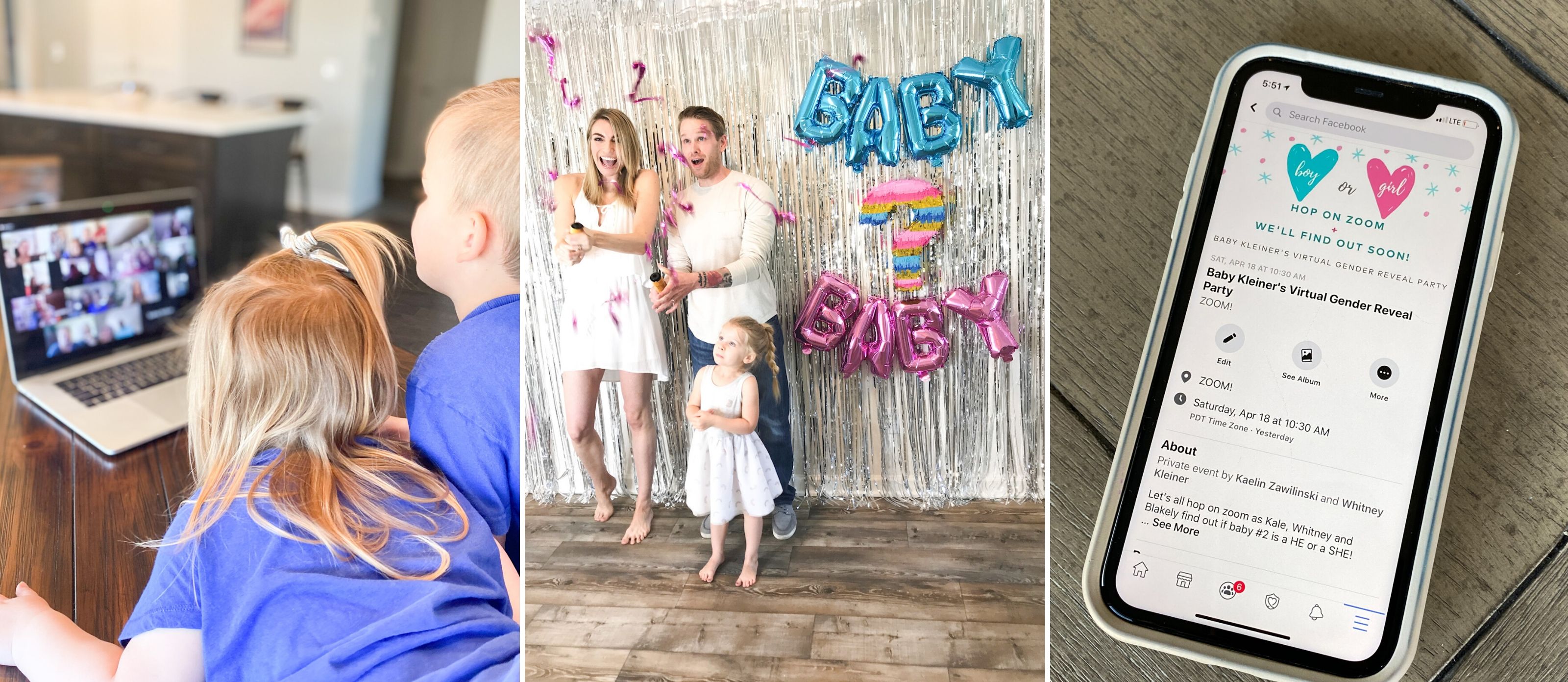
29. Zoom Gender Reveal Party

Reveal the gender during a video call with family.

30. Social Media Reel Reveal

Create a creative Instagram reel showing the surprise moment.

Trusted References

If you want to learn more about gender reveal celebrations and creative ideas, explore these trusted resources:

LKG/UKG Admission 2026–27 Karnataka: Dates, Fees, Process & Interview Tips

Karnataka moms, the season is here! If your child is turning 4–5 years old, LKG/UKG admissions for 2026–27 are in full swing, especially in cities like Bengaluru, Mysore, and Mangalore. With competition high in top CBSE/ICSE schools, many parents start panicking about dates, fees, age rules, and those nerve-wracking “interviews” (often parent-child interactions).

This guide covers everything Karnataka parents need: important dates, age criteria, average fees, RTE quota details, admission process, interview tips, and practical advice to make the process smoother.

Age Criteria for LKG/UKG Admission in Karnataka 2026–27

Karnataka follows NEP 2020 guidelines:

  • LKG: Child should be 4 years complete by June 1, 2026 (some schools allow up to 5 years).
  • UKG: 5 years complete by June 1, 2026 (up to 6 years).

Many schools calculate age as of March 31 or June 1, 2026. Always check the school’s official notice – flexibility varies (e.g., CBSE schools are stricter). Proof of age (birth certificate) is mandatory.

For RTE 25% free seats (economically weaker sections), age rules are similar, but priority for disadvantaged categories.

Key Admission Dates & Timeline (2026–27)

Admissions vary by school (private vs government-aided), but typical Karnataka timeline:

  • Application opens: October 2025 – January 2026 (many started in October, e.g., Bishop Cotton Boys’ School from Oct 16, 2025).
  • Online registrations peak: November 2025 – February 2026 (forms close when seats fill).
  • Interaction/Observation/Interviews: January – March 2026.
  • Lottery/Selection results: February – April 2026.
  • RTE applications: March – April 2026 (online via sdcedn.karnataka.gov.in; trial/mock in early March, last date ~April 15, 2026).
  • Final enrollment: May – June 2026.

Top schools like Kumarans, DPS Electronic City, or Bishop Cotton often close Pre-KG/LKG early due to demand. Apply ASAP!

Average Fees for LKG/UKG in Karnataka (2026–27 Estimates)

Fees vary widely by board (CBSE/ICSE/State) and location:

  • Bangalore premium schools (e.g., Bishop Cotton, Indus, Inventure): ₹80,000 – ₹2,00,000+ per year (including admission, tuition, activity fees).
  • Mid-range CBSE/ICSE (e.g., Edify, Presidency): ₹50,000 – ₹1,20,000 annually.
  • Affordable private/State-board: ₹30,000 – ₹70,000 per year.
  • RTE 25% quota: Free or minimal fees in participating private schools (lottery-based for eligible families).

Additional costs: Uniforms, transport, books (~₹10,000–30,000). Application fee: ₹500–₹1,000 (non-refundable).

Admission Process Step-by-Step

  1. Research & Shortlist: Visit school websites, check reviews on parent forums, focus on curriculum (CBSE/ICSE), facilities, safety, and distance.
  2. Online/Offline Application: Fill form on school portal (e.g., upload birth certificate, photos, address proof). Pay application fee.
  3. Document Submission: Birth certificate, Aadhaar, photos, vaccination record, address proof.
  4. Interaction/Interview: Parent-child meet (not formal test for LKG/UKG).
  5. Selection & Fee Payment: Lottery/results via email/SMS; pay admission fee within deadline.
  6. RTE Route: Apply online via Karnataka RTE portal for 25% free seats (eligibility: income <₹2.5 lakh/year, etc.).

Minority schools or those with only Pre-Primary may have different rules.

Interview Tips for LKG/UKG Admission (What Schools Really Look For)

LKG/UKG “interviews” are usually relaxed parent-child interactions (20–30 mins):

  • For Child: Basic identification (colors, shapes, body parts, family members), simple rhymes/songs, confidence in speaking. No pressure – they observe readiness & social skills.
  • For Parents: Be honest about child’s routine, strengths, any concerns. Show enthusiasm for school values. Dress neatly.
  • Preparation Tips:
    • Practice simple questions: “What is your name?”, “Show me red color”, “Sing a rhyme”.
    • Encourage independence (e.g., eating, toilet use).
    • Stay calm – schools assess family fit more than child’s “performance”.
    • Arrive early, bring required docs.
    • Avoid coaching pressure – focus on play-based learning.

Many schools now emphasize observation over testing.

Final Thoughts for Karnataka Moms

LKG/UKG admission 2026–27 is competitive, but with early planning, you can secure a good spot. Prioritize schools that match your child’s needs and your budget – and don’t forget RTE if eligible. Trust the process; your little one is ready for this big step!

Momsaathi.com provides content for informational and educational purposes only. It is not intended to serve as a substitute for professional advice. Check official school websites and Karnataka RTE portal for latest updates, as dates/fees can change. Consult schools directly for personalized guidance.

Frequently Asked Questions (FAQs)

What is the age limit for LKG in Karnataka 2026?


Typically 4 years complete by June 1, 2026 (some schools use March 31 cutoff).

October 2025 – January 2026 for most private schools; RTE in March–April.

₹50,000–₹2,00,000 annually in Bangalore; lower in other cities or RTE seats.

Yes – usually parent-child interaction to assess readiness and family fit.


Online via sdcedn.karnataka.gov.in; eligibility based on income/category; lottery system.

Typically 4 years complete by June 1, 2026 (some schools use March 31 cutoff).

October 2025 – January 2026 for most private schools; RTE in March–April.

₹50,000–₹2,00,000 annually in Bangalore; lower in other cities or RTE seats.

Yes – usually parent-child interaction to assess readiness and family fit.


Online via sdcedn.karnataka.gov.in; eligibility based on income/category; lottery system.

Related Articles on Momsaathi.com:

External Resources:

Slow Motherhood in India 2026: Embracing Calm, Connection, and Real-Life Joy for Busy Moms

Slow Motherhood in India 2026: Embracing Calm, Connection, and Real-Life Joy for Busy Moms

By Anupama Shastri , MomSaathi Parenting Writer

In the hustle of 2026 India—traffic jams in Bengaluru, endless WFH calls in Mumbai, school pickups in Delhi—one quiet shift is gaining momentum among moms: slow motherhood.

No, it’s not about doing less or being lazy. It’s about choosing presence over perfection, real moments over reels, and calm routines over constant rushing. More Indian moms are ditching the “do-it-all” pressure for intentional living that nurtures both kids and their own well-being.

Why now? With kids glued to tabs for online classes, rising screen addiction concerns, and moms feeling burned out from juggling everything, slow motherhood feels like a gentle rebellion. Searches for “slow motherhood” and “screen free activities for kids” have skyrocketed, as highlighted in the Pinterest Parenting Trend Report 2026, which notes massive rises in offline learning, experience-rich childhoods, and nostalgic family moments.

[fc-calories-calculator]

What Does Slow Motherhood Look Like in Indian Homes?

It’s blending our rich traditions with modern mindfulness:

  • Slower mornings without rush — Wake up 15 minutes earlier for a quiet cup of chai, family prayer, or just cuddling instead of scrolling notifications.
  • Screen-smart boundaries — Designated “no-phone zones” during meals or evenings. Try “no phone summer” vibes even in winter—board games like Carrom, Antakshari, or storytelling from grandparents. Get inspired by these screen-free summer activities rooted in Indian traditions on MomSaathi.
  • Nature and everyday learning — Weekend park walks, terrace gardening, or helping in the kitchen (chopping veggies for sabzi teaches fine motor skills better than any app). Dive deeper into outdoor nature play ideas for Indian kids.
  • Fewer activities, deeper ones — Swap 5 after-school classes for one meaningful hobby like classical dance, rangoli-making, or cycling around the colony.
  • Tradition revival — Weekly family rituals: Making laddoos together on weekends, reading Panchatantra tales at bedtime, or simple puja time without gadgets. Explore more family tradition ideas for modern Indian homes.

These small shifts reduce overstimulation for kids (and moms!) while building stronger bonds, echoing the push for “analog childhood” in 2026 trends.

Benefits for Indian Kids and Moms in 2026

Kids gain:

  • Better focus and creativity from unstructured play.
  • Stronger emotional regulation through real-world interactions.
  • Appreciation for Indian culture and family values.

Moms gain:

  • Less guilt from “not doing enough.”
  • More energy for self-care—like a solo evening walk or reading a book.
  • Reduced burnout in a high-pressure society.

This aligns with the growing focus on mindful parenting in India, as seen in discussions around presence, balance, and conscious choices.

Practical Tips to Start Slow Motherhood Today

  1. Create device-free windows — 1 hour before bed: lights dim, phones away, family chat or lullabies.
  2. Incorporate slow rituals — Sunday “slow breakfast” with idli-sambar made together—no rushing to brunch spots.
  3. Say no gracefully — Politely decline extra playdates or classes if it overloads the week.
  4. Use Indian resources — Free parks, local temples for calm outings, or apps mindfully (only for recipes or stories, not endless videos). Try zero-screen weekend ideas like nature walks and creative crafts from sources like The Better India.
  5. Self-compassion first — If a day goes chaotic, it’s okay. Slow motherhood is progress, not perfection. For more on avoiding burnout, read our self-care guide for Indian working moms.

Final Thought from Anupama

In a world pushing faster, bigger, and more, choosing slow motherhood is powerful. It honors our Indian roots—where family time, patience, and simple joys have always mattered—while protecting our kids from burnout. Start small: one slow evening this week. You’ll feel the difference.

What’s one slow habit you’re trying in 2026? Share in the comments—I’d love to hear!

Disclaimer: This is general parenting inspiration. Every family is unique—adapt what works for you.

Middle School Struggles: Psychologist Shares Parenting Tips for the ‘Crucial Years’ (India 2026)

Momsaathi.com provides content for informational and educational purposes only. It is not intended to serve as a substitute for professional medical advice, diagnosis, or treatment. Always consult a child psychologist, counselor, or pediatrician if your child shows signs of anxiety, depression, aggression, social withdrawal, or any mental health concerns.

Middle school (classes 6–8, ages 11–14) is often called the “crucial years” — and for good reason. In 2026, Indian parents are seeing more intense struggles: heavy school pressure, phone/social media addiction, peer comparison, identity questions, mood swings, and the sudden shift from “child” to “teen”.

Psychologists working with Indian families (especially in urban Karnataka and metro cities) say these years are make-or-break for emotional health, self-esteem, and academic motivation. The good news? With mindful parenting, most children come out stronger and more resilient.

Here are practical, psychologist-backed middle school parenting tips India that many families are using successfully in 2026.

1. Understand What’s Really Happening in Their Brain & Body

Middle school is puberty + prefrontal cortex remodelling. That means:

  • Emotions are intense and unpredictable
  • Impulse control is still developing
  • Peer approval feels more important than parents’
  • They crave independence but still need guidance

Tip: Remind yourself daily: “This is biology, not bad behaviour.” It reduces anger and helps you respond calmly.

2. Replace Lectures with Listening & Curiosity

Lectures and “you should” statements usually shut teens down. Instead, psychologists recommend curiosity-based conversations.

Phrases that work better:

  • “What’s been the hardest part of school this week?”
  • “How did that fight with your friend make you feel?”
  • “What do you think would happen if you tried…?”

Indian mom hack: Start talks during late-night chai or car rides — less eye contact = less pressure.

3. Set Firm but Fair Screen & Phone Boundaries

Phone addiction peaks in middle school. In 2026, Indian teens average 4–6 hours/day on screens (Instagram, YouTube Shorts, Free Fire).

Realistic boundaries:

  • No phones in bedroom after 9 PM (charge in living room)
  • Screen time 1–1.5 hours/day on weekdays (after homework)
  • Family “no-phone” zones (meals, study time)
  • Use apps like Google Family Link or Apple Screen Time together — make it collaborative

Tip: Explain the “why” — “Screens affect sleep and focus, which affects your marks and mood.”

4. Help Them Handle School Pressure & Peer Comparison

CBSE/ICSE/State board pressure + social media comparisons create anxiety and low self-worth.

What works:

  • Focus on effort & progress (“I see how hard you studied”) not marks
  • Teach growth mindset: “You’re not bad at math — you’re still learning it”
  • Celebrate non-academic wins (sports, art, kindness)
  • Limit social media exposure (private accounts, no reels before bed)

Desi tip: Many Karnataka families use “family study time” — everyone studies/reads together 45 min/day — reduces isolation.

5. Teach Emotional Regulation & Problem-Solving

Middle schoolers feel everything 10× more intensely.

Simple tools:

  • 4-7-8 breathing (inhale 4, hold 7, exhale 8)
  • “Name it to tame it” — “You seem angry — want to talk about it?”
  • Problem-solving steps: “What happened? How do you feel? What can we try?”

Tip: Model it yourself — when you’re upset, say “I’m feeling frustrated, so I’m taking 5 deep breaths.”

6. Protect Sleep & Nutrition (Often Overlooked)

Sleep deprivation + junk food = worse mood, focus, and immunity.

2026 Indian parent checklist:

  • Bedtime 9:30–10 PM (10–11 hours sleep needed)
  • No screens 60 min before bed
  • Dinner by 8 PM (light: roti-sabzi, curd rice)
  • Limit packaged snacks — prefer fruits, nuts, boiled egg

When to Seek Professional Help (Don’t Wait)

Contact a child psychologist or counselor if you see:

  • Persistent sadness, withdrawal, or loss of interest
  • Extreme irritability or anger outbursts
  • Refusing school or activities they used to love
  • Self-harm talk or risky behaviour
  • Sudden drop in marks + sleep/eating changes

In India (2026): Many schools now have counselors. Government options include NIMHANS (Bengaluru), RBSK camps, or tele-counseling via 104/108 helplines.

Final Words for Indian Moms & Dads

Middle school is tough — for kids and parents. But with empathy, clear boundaries, open communication, and self-care, most families come out stronger.

You’re not failing — you’re guiding a human through one of the hardest phases of growth.

Which middle school struggle are you facing right now? Share in the comments — let’s support each other, Karnataka parents!

Related Articles on Momsaathi.com:

External Resources:

Indian Parents 2026 – Top 5 Most Searched Topics: Schools, Phonics, Worksheets, Handwriting & Olympiad Tips

Momsaathi.com provides content for informational and educational purposes only. It is not intended to serve as a substitute for professional medical advice, diagnosis, or treatment. Always consult school authorities, teachers, pediatricians or child psychologists for personalized advice on education, learning difficulties, or child development.

In 2026, Indian parents (especially in Karnataka and metro cities) are searching more than ever for practical solutions to give their children the best start. From “best schools near me” to phonics, worksheets, handwriting, and Olympiad preparation, these five topics dominate Google, YouTube, and parenting groups.

This guide brings all five together in one place — realistic, up-to-date tips tailored for busy Indian families in 2026.

1. Best Schools Near Me in Karnataka & India – How to Choose in 2026

The phrase “best schools near me” is one of the top searches every admission season.

What Indian parents really want in 2026:

  • Strong academics + good board results (CBSE/ICSE most popular)
  • Affordable fees (₹50k–₹4 lakh/year)
  • Safe transport, CCTV, hygiene
  • Focus on sports, arts, life skills
  • English medium + value-based education

Quick checklist before visiting:

  • Check board affiliation & past 3 years’ Class 10/12 results
  • Read Google & Justdial reviews (look for patterns)
  • Ask about teacher-student ratio (ideal 1:25–35)
  • Visit during school hours — observe classrooms & playground
  • Talk to current parents (not just school staff)

Popular categories in Karnataka:

  • CBSE schools in Bengaluru (e.g. Delhi Public School, National Public School)
  • ICSE schools (e.g. Bishop Cotton, Inventure Academy)
  • State-board + affordable options (for Tier-2 cities)

Tip: Admissions usually open October–January for next academic year. Start early.

2. Phonics for Kids – How Indian Parents Can Teach at Home

Phonics is now the preferred method in most good schools (CBSE/ICSE) — helping kids read faster and spell better.

Why phonics for kids is huge in India 2026:

  • Builds strong foundation before Class 1
  • Reduces rote learning pressure
  • Helps with English fluency (important for competitive exams)

Easy 4-step home method (10–15 min/day):

  1. Letter sounds first (not names): “a” says /æ/ like apple
  2. Blend sounds: c-a-t → cat
  3. Use flashcards + apps (Jolly Phonics, Starfall, YouTube channels like Jack Hartmann)
  4. Play games: “I spy something beginning with /b/” or rhyming songs

Desi twist: Sing Hindi/Kannada rhymes with English phonics — e.g. “A for Apple, A for Aam”

When to start: 3.5–4.5 years (before UKG)

[fc-dietchart]

3. Worksheets for LKG/UKG – Free & Printable Ideas for Indian Moms

LKG/UKG worksheets are among the most downloaded resources in India.

What Indian parents need in 2026:

  • Alphabet tracing, number recognition, shapes/colors
  • Pre-writing lines & patterns
  • Simple Hindi/Kannada letters (if bilingual school)
  • No heavy academic pressure — focus on fun

Quick printable ideas (make at home):

  • Alphabet tracing sheets (A–Z upper & lower case)
  • Number 1–20 with counting dots
  • Shape matching (circle, square, triangle)
  • Color by number or pattern completion
  • Stand-up puppet craft (stick on ice-cream sticks)

Tip: Limit to 10–15 min/day. Praise effort (“Wow, you traced so nicely!”) — not perfection.

4. How to Improve Handwriting – Simple Tips for Indian School Kids

Bad handwriting is a common complaint in Indian schools — affects marks in board exams.

Step-by-step improvement plan:

  1. Correct grip: Tripod grip (thumb + index + middle finger)
  2. Right posture: Sit straight, paper tilted 30°, light from left
  3. Daily practice: 10 min tracing → copy writing → free writing
  4. Fun activities: Sand writing, finger painting, mazes
  5. Use right tools: Thick triangular pencils, 4-line notebooks

Tip: Start at age 4–5. Praise progress (“Your letters are getting so neat!”).

When to seek help: If grip is awkward, letters are reversed, or pain occurs — consult occupational therapist.

5. Olympiad Preparation Tips – How Indian Kids Can Excel in 2026

Olympiads (IMO, NSO, IEO, NCO) are huge in India — many schools push participation.

Realistic preparation tips for 2026:

  • Start in Class 1–2 (fun level) or 3–4 (serious level)
  • Understand syllabus (SOF, SilverZone, Unified Council)
  • Daily 30–45 min: 10–15 questions + past papers
  • Books: MTG Olympiad books, Disha, Arihant
  • Focus on concepts — not rote learning
  • Mock tests every weekend

Indian parent tip: Balance with school — don’t overburden. Reward effort, not just medals.

Final Thoughts for Indian Parents in 2026

These five topics — best schools near me, phonics for kids, worksheets for LKG/UKG, how to improve handwriting, and Olympiad preparation tips — are dominating searches because every parent wants their child to thrive.

Start small, stay consistent, and trust your instincts. You’re already doing an amazing job.

Which topic are you focusing on right now? Share in the comments — let’s help each other, Karnataka moms and parents!

Related Articles on Momsaathi.com:

External Resources:

Baby Names Starting with A in 2026 – Modern & Traditional Hindu Names for Boys & Girls

Momsaathi.com provides content for informational and educational purposes only. It is not intended to serve as a substitute for professional medical advice, diagnosis, or treatment. Name meanings and zodiac associations are cultural and astrological traditions — consult a family priest or astrologer for personalized naming rituals if desired.

Choosing a name is one of the most emotional and exciting parts of welcoming your baby! In 2026, Indian parents (especially in Karnataka and urban families) are loving names that are short, meaningful, easy to pronounce globally, yet deeply rooted in Sanskrit/Hindu tradition. Names starting with A remain timeless favorites — symbolizing beginnings, strength, light, and divinity.

Below is a curated list of beautiful baby names starting with A Hindu 2026 — modern & traditional options for boys and girls, with meanings, popular Rashi/zodiac compatibility (based on common Hindu astrology preferences), and why they’re trending this year.

[baby_name_generator]

Modern & Traditional Hindu Boy Names Starting with A (2026 Favorites)

  1. Aarav Meaning: Peaceful, calm sound of the universe Rashi: Mesha (Aries) – suits bold, energetic boys Why popular in 2026: Short, melodic, international appeal
  2. Advik Meaning: Unique, unparalleled Rashi: Mesha / Vrishabha (Aries/Taurus) Why trending: Modern parents love “one-of-a-kind” vibe
  3. Ayaan Meaning: Gift of God, merciful Rashi: Mesha / Karka (Aries/Cancer) Why popular: Cross-cultural, soft yet strong sound
  4. Arjun Meaning: Bright, shining, hero of Mahabharata Rashi: Mesha (Aries) Why timeless: Classic yet never feels old
  5. Atharv Meaning: Knowledgeable, name of a Veda Rashi: Mesha / Mithuna (Aries/Gemini) Why 2026 favorite: Intellectual & spiritual feel
  6. Aviraj Meaning: King of radiance, shining one Rashi: Simha (Leo) Why rising: Regal modern twist
  7. Ahaan Meaning: Dawn, sunrise Rashi: Mesha (Aries) Why popular: Fresh, positive energy name

Modern & Traditional Hindu Girl Names Starting with A (2026 Favorites)

  1. Aarohi Meaning: Musical ascent, evolving tune Rashi: Mesha (Aries) Why trending: Melodic, artistic, very loved in urban India
  2. Ananya Meaning: Unique, incomparable Rashi: Karka (Cancer) Why popular: Soft, modern, strong meaning
  3. Aadhya Meaning: First power, Goddess Durga Rashi: Mesha (Aries) Why 2026 favorite: Divine yet simple
  4. Avni Meaning: Earth, grounded Rashi: Vrishabha (Taurus) Why rising: Nature-inspired, short & sweet
  5. Aditi Meaning: Freedom, boundless, mother of gods Rashi: Mesha (Aries) Why timeless: Classic with deep spiritual roots
  6. Aaradhya Meaning: Worshipped, adored Rashi: Mesha / Karka (Aries/Cancer) Why popular: Regal & loving feel
  7. Ahana Meaning: Dawn, inner light Rashi: Mesha (Aries) Why trending: Bright, positive, easy to pronounce

Quick Tips for Choosing Baby Names Starting with A Hindu 2026

  • Check Rashi compatibility with your family astrologer — many Karnataka families still follow this tradition.
  • Say the name aloud — pair with surname & see how it flows.
  • Consider initials — avoid negative acronyms.
  • Blend modern & traditional — short names (Aarav, Avni) are huge in 2026 for global ease.
  • Meaning matters — Indian parents love names tied to strength, light, divinity.

Which name from this list do you love most for your baby boy or girl? Share in the comments — let’s inspire each other, Karnataka moms!

External Resources: